




Key highlights:
- Bentley says human craftsmanship remains central to its manufacturing
- Torcal introduces Merino wool and new bespoke interior materials
- Australian deliveries of the Torcal EV are due before the end of 2027
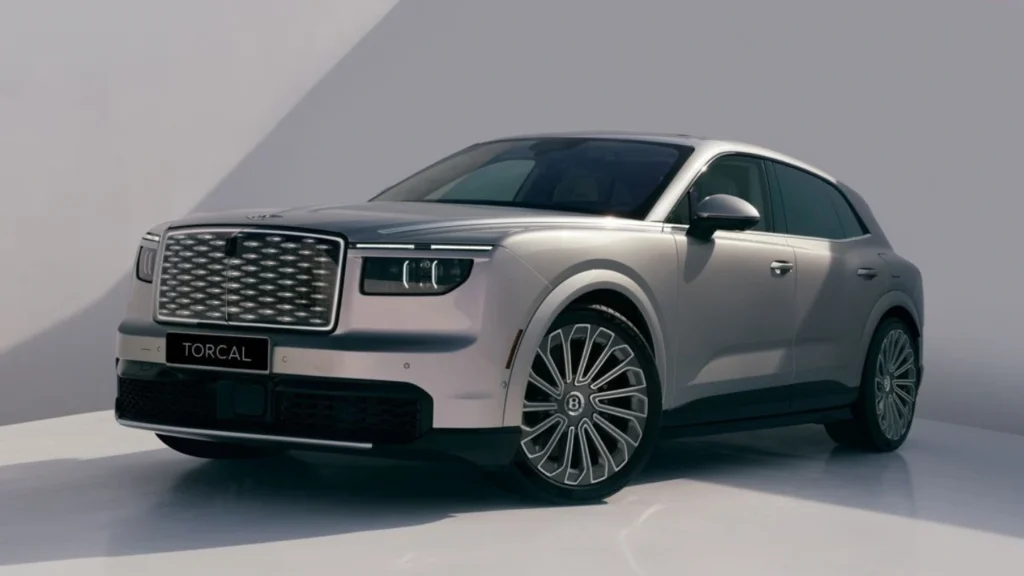
Bentley says artificial intelligence and fully automated manufacturing will not replace the human craftsmanship behind its vehicles, even as the brand moves into the electric era with its first EV, the Torcal.
At the reveal of the 2027 Torcal electric SUV, senior Bentley executives said human craftsmanship remains central to the brand’s DNA and will continue to play a key role in production.
Product Line Director Martin Page said, “It’s really important. That personal touch on every car that goes out of the factory, no question [that] stays.”
Bentley keeps the human touch
Bentley head of design T. Jon Mayer said the brand’s smaller production volumes also allow it to maintain a more hands-on manufacturing approach.
He said, “That human touch, that authenticity, that meticulous detail that AI or a robot can never really replace, I think we benefit from being a smaller manufacturer.”
“So, that makes a huge difference to the way we produce cars.”
Mayer also said Bentley does not produce vehicles in volumes reaching hundreds of thousands of units, which makes its approach to manufacturing different.
The Torcal may be Bentley’s first electric vehicle, but the brand has carried its handmade manufacturing tradition into the new model. It also introduces several new bespoke options.
Torcal EV expands Bentley’s material choices
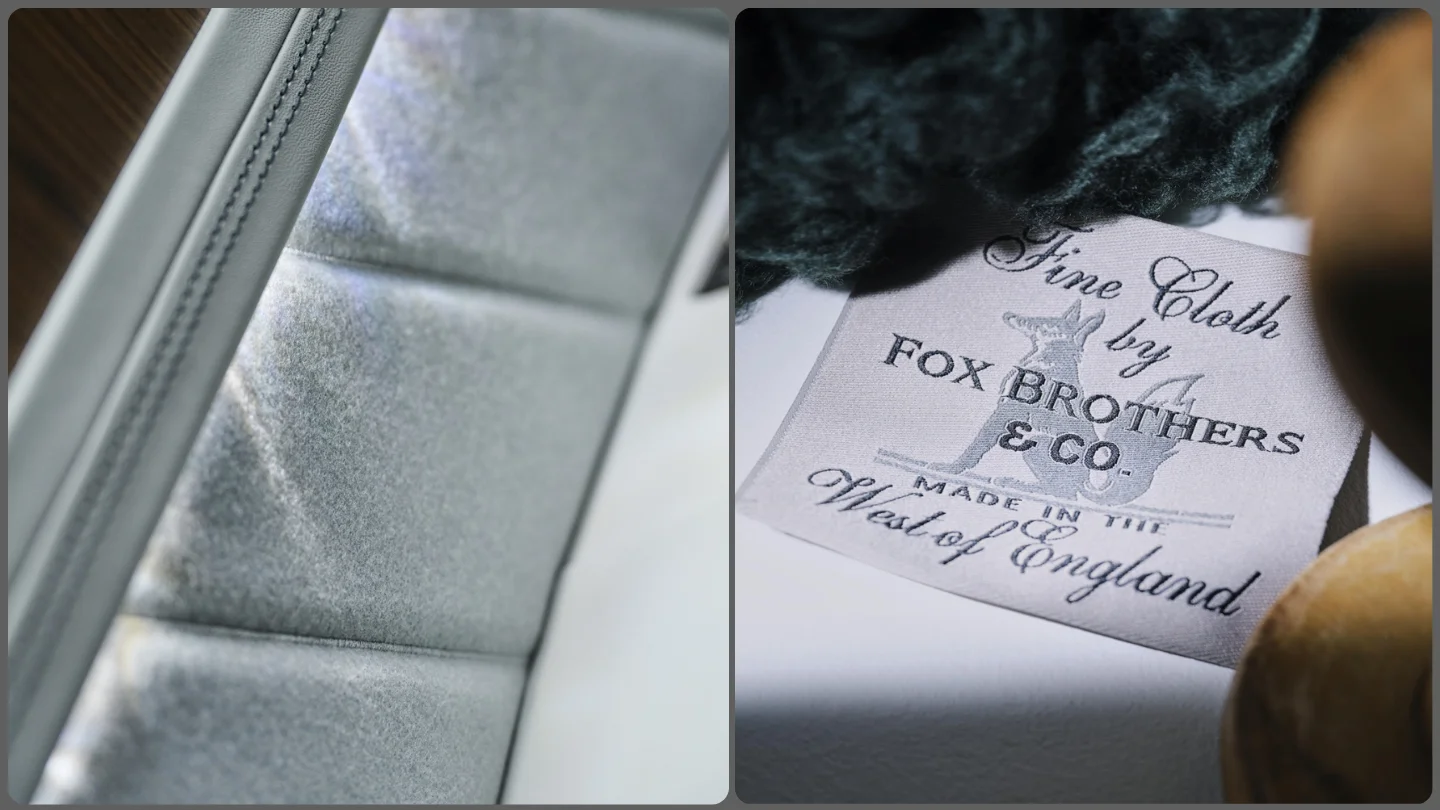
Bentley will expand its range of interior materials and textures with the Torcal, including what it describes as industry firsts. One of the major additions is Merino wool, which Bentley says becomes the first application of the material in an automotive interior.
The company developed it with Somerset clothmaker Fox Brothers. The wool fabric also becomes the first automotive application to achieve 100% certification under the Responsible Wool Standard (RWS), a globally recognised programme led by Textile Exchange.
Customers can choose from six “carefully curated” colour schemes and each combines complementary tones from the same colour family to create depth, harmony and a contemporary sense of sophistication.
When specified, the wool material can cover parts of the door trims, seatbacks and headliner.
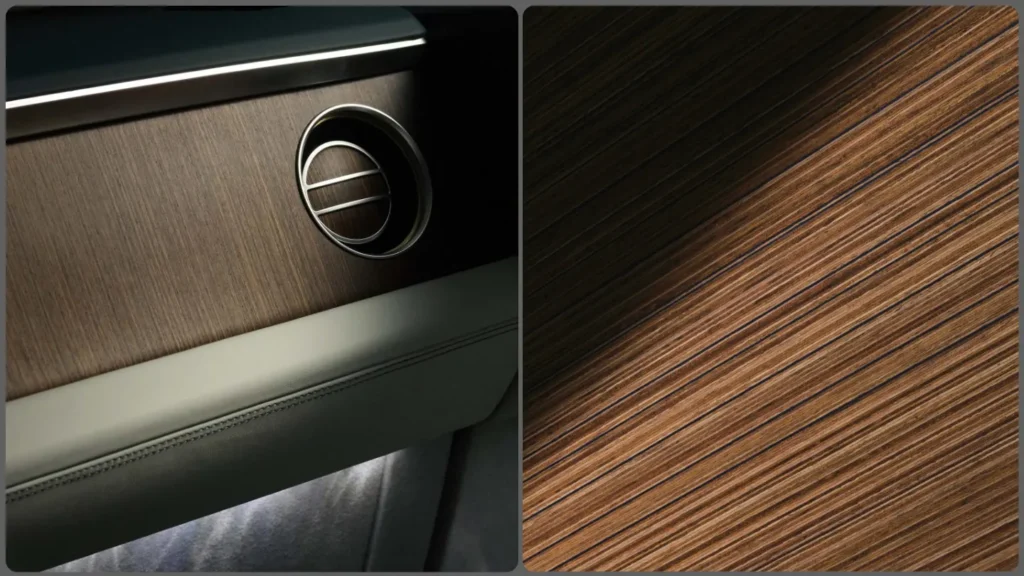
The Torcal also introduces a new Ombre Veneer to Bentley’s individualisation catalogue, created from sustainably sourced walnut off-cuts and recycled paper.
The company says up to 1000 individually selected layers are pressed together before being sliced to less than one millimetre thick. The resulting textured material follows the geometry of the cabin and creates what Bentley describes as a seamless transition of tone across each surface.

Bentley’s Mulliner coachbuilding division has also created a new Sunburst Aluminium trim insert, and the design reinterprets the engine-turned aluminium dashboards used on Bentley models of the past.
Also read: F1-inspired McLaren W1 with a hybrid V8 to arrive in Australia
Billions invested in Crewe factory
Customers in specific markets can order the Bentley Torcal from this week, and production will begin during the second quarter of 2027.
Australian timing remains to be confirmed, although Bentley expects the first Australian deliveries to begin before the end of next year.
The Torcal has been designed, engineered and crafted in Great Britain and Bentley will assemble it on a new “cutting-edge” production line at the company’s Crewe headquarters near Manchester. The production building itself, which dates back to 1938, has also been restored.
Bentley has poured billions of pounds into its Crewe headquarters to prepare for Torcal production, and the investment has created what Bentley describes as a “future-ready manufacturing and innovation campus”.
The site includes production, engineering, design and quality facilities. Despite the investment in new technology and the arrival of Bentley’s first EV, the company says it will continue to put human craftsmanship at the centre of its manufacturing process.
Comments
New Comment