




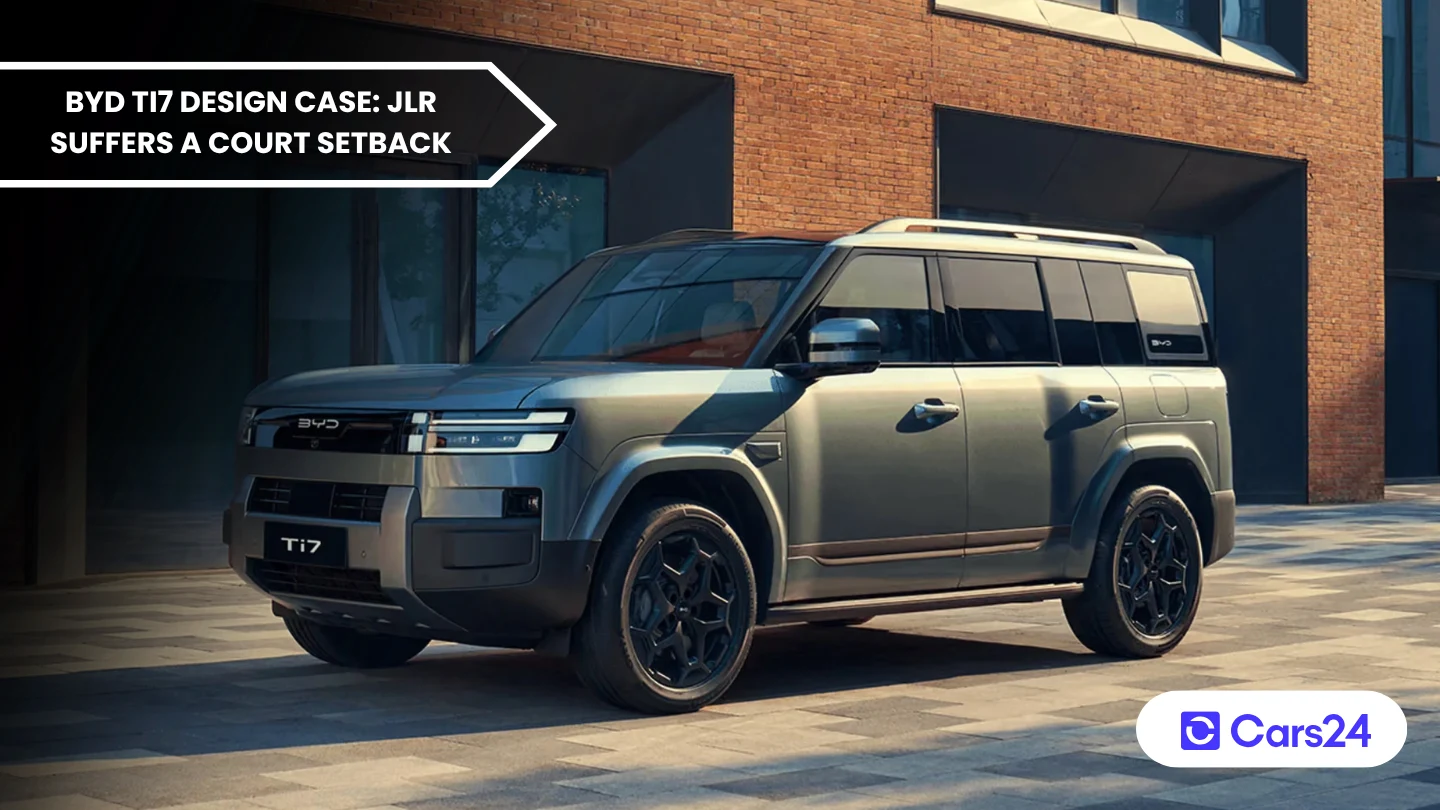
Key highlights:
- Dutch court orders JLR to destroy seized BYD documents
- The ruling does not resolve JLR’s design-copying allegations
- BYD plans UK sales of the 7-seat Ti7 from January 2027
Jaguar Land Rover (JLR) has suffered an initial legal setback in its dispute with BYD over alleged design copying involving the Defender and the BYD Ti7 SUV. A Dutch court has ordered JLR to destroy digital documents seized from BYD’s offices in August 2026, but the ruling does not settle the underlying allegations.
The case centres on JLR’s suspicion that BYD dismantled a Land Rover Defender and used reverse engineering to study its individual technologies while developing the Ti7. Both companies have declined to comment because legal proceedings remain underway.
Dutch court orders JLR to destroy seized BYD documents
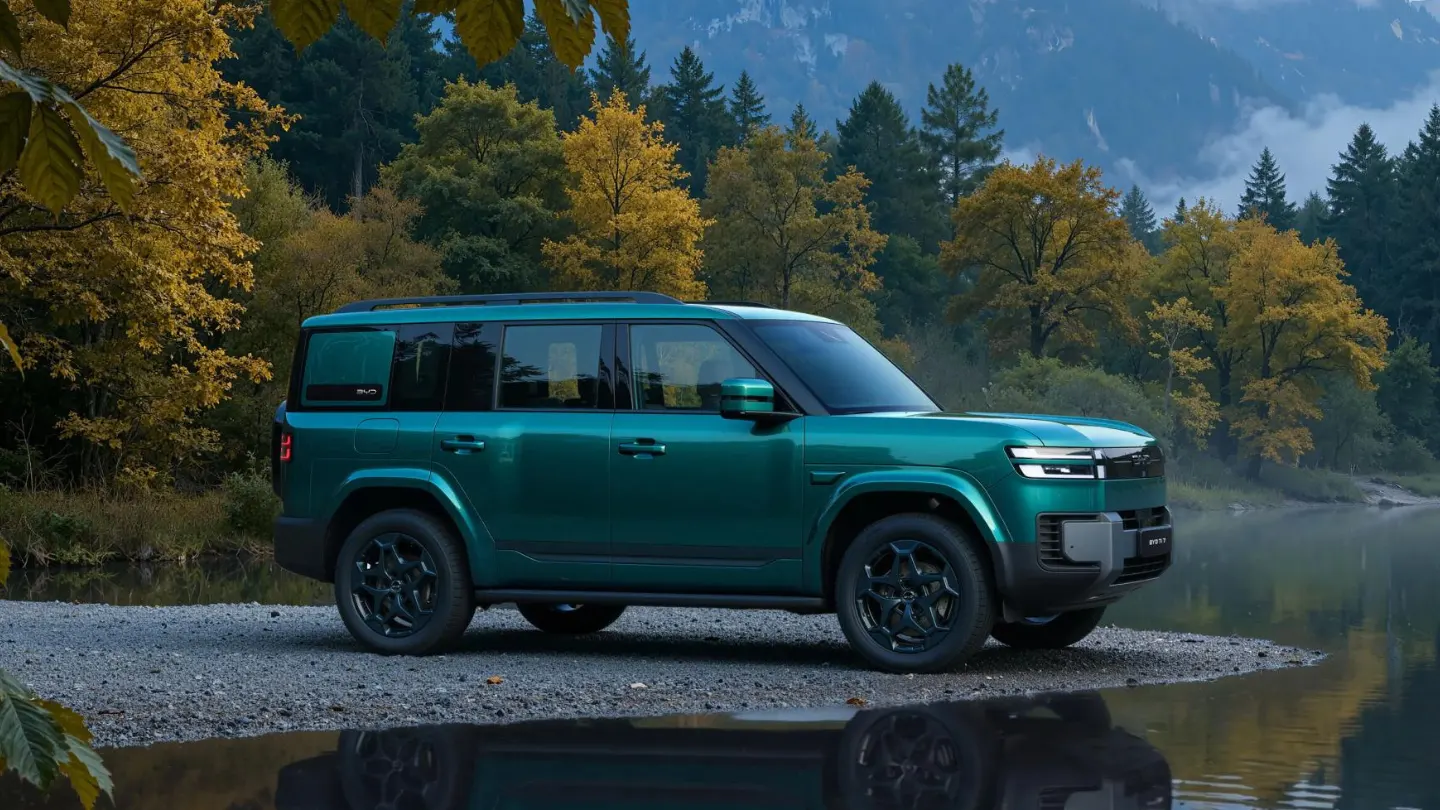
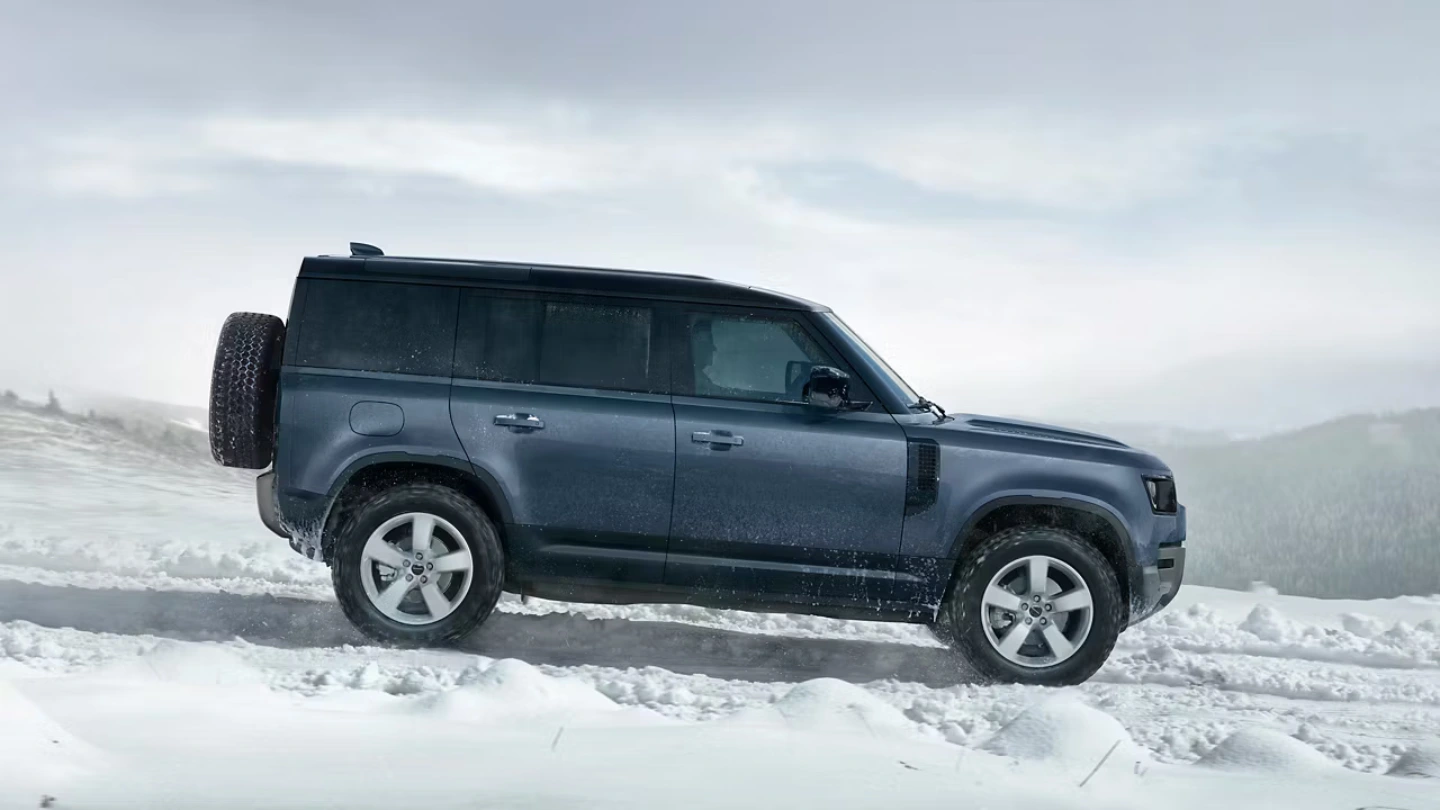
At JLR’s request, a Dutch court ordered the preservation of evidence at BYD in August. Bailiffs subsequently secured digital documents from the Chinese carmaker’s offices in Schiedam and Hoofddorp.
However, BYD challenged the seizure, arguing that its scope was too broad and that the documents included confidential business information unrelated to the dispute. On 11 November, a court in The Hague ruled in BYD’s favour and lifted the evidence preservation order.
The court instructed JLR to have the digital documents seized in the Netherlands destroyed. If it fails to comply, the British automaker faces a coercive fine of €50,000 per hour, capped at €500,000.
JLR had also sought €500,000 in compensation, but the court did not award that amount. Instead, it ordered JLR to reimburse BYD for legal costs of €25,376.57.
Why the court sided with BYD
The judge found that preserving the seized evidence was not necessary to establish JLR’s alleged violation of EU design rights for the Defender. The documents were also not required to assess potential damages.
BYD has not yet sold the Ti7 in the European Union, meaning the court could not identify any apparent economic harm caused by the model in that market.
The judge also found that BYD had fulfilled its cooperation obligations during the seizure. As a result, the court rejected the need for the evidence preservation measure and did not grant JLR’s financial demand.
Also read: BYD Fang Cheng Bao Ti 9 SUV launches in China on Nov 19
JLR’s design-copying allegations remain unresolved
The ruling does not mean the court has dismissed JLR’s claims that BYD copied the Defender’s design. The hearing in The Hague dealt only with whether the search and evidence seizure were lawful.
JLR continues to pursue its allegations through separate legal proceedings, and the dispute involves two cases:
- The Hague: JLR alleges a violation of the Defender’s EU design rights
- Rotterdam: The case concerns alleged copyright infringement and unfair imitation
Neither court has yet made a decision on the underlying allegations.
BYD Ti7: the SUV at the centre of the dispute
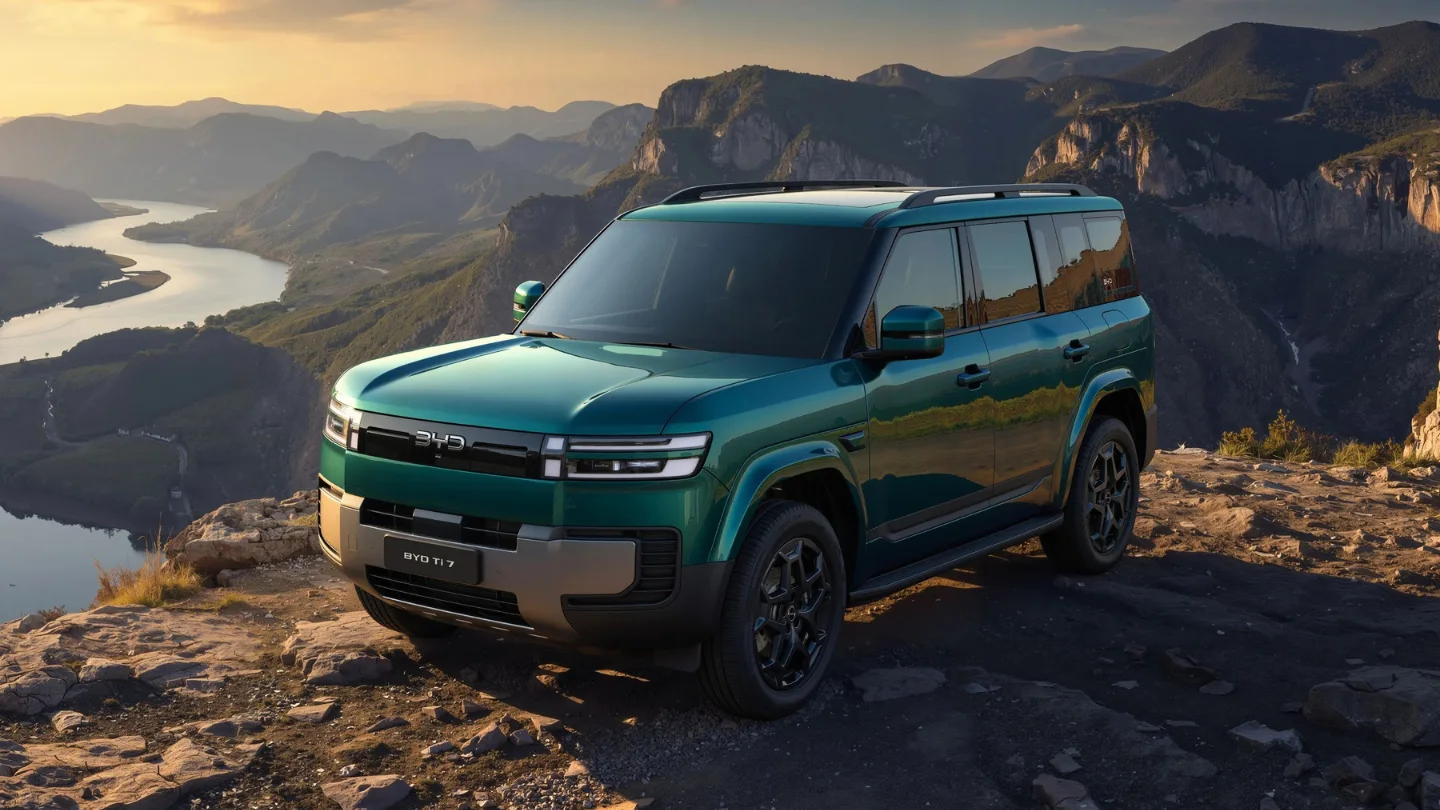
BYD has sold the Ti7 in China under its Fang Cheng Bao brand since September 2025, and the SUV recently ranked among China’s 10 best-selling cars. Its angular body, upright front and square wheel arches have drawn comparisons with the Land Rover Defender.
The model is also heading to the UK, where BYD plans to offer it as a 7-seater from January 2027. The planned plug-in hybrid version combines a 1.5-litre turbocharged petrol engine with electric motors.
| Detail | BYD Ti7 PHEV | Land Rover Defender 110 |
|---|---|---|
| UK seating configuration | Seven seats | Seven seats |
| Powertrain | 1.5-litre turbo petrol engine with electric motors | Not specified in supplied information |
| Combined system output | 300kW | Not specified |
| Battery capacity | 35.6kWh | Not specified |
| Electric driving range | Up to 119km WLTP | Not specified |
| Starting price (UK) | £47,995 | £68,465 |
The system produces 300kW, while a 35.6kWh battery delivers a claimed electric-only driving range of up to 119km on the WLTP cycle. The Ti7’s planned UK starting price of £47,995 sits well below the £68,465 minimum price of a 7-seat Land Rover Defender 110.
JLR has challenged Chinese automakers before
This is not the first time JLR has taken a Chinese carmaker to court over alleged design copying. In 2019, JLR won a dispute against Jiangling Motors involving the Landwind X7, which directly copied five distinctive exterior design features from the first-generation Range Rover Evoque.
However, another Chinese brand with a vehicle that closely resembles a JLR model operates under a very different arrangement. The Freelander brand’s resemblance to JLR vehicles is deliberate and legal, thanks to JLR’s long-standing joint venture with Chinese automaker Chery.
JLR’s relationship with Chery dates back to 2014, when the companies established their joint venture. In 2018, Chery Jaguar Land Rover (CJLR) invested 7BN yen, equivalent to more than €900 million, in the local development and production of electric vehicles.
The investment turned the companies’ existing facility in Changshu into an EV testing, research and development, and manufacturing site. JLR and Chery created the Freelander joint venture brand in 2024.
That same year, JLR signed an agreement allowing the Indian-owned British company to use Chery’s electric vehicle platform. Most recently, Freelander revealed its Concept 97 in Shanghai.

Comments
New Comment