




Key highlights:
- China supplied 42,045 Australian new vehicles in September 2026
- Chinese-made cars now hold a 38.9% market share
- Available Chinese models could reach 120 by 2027
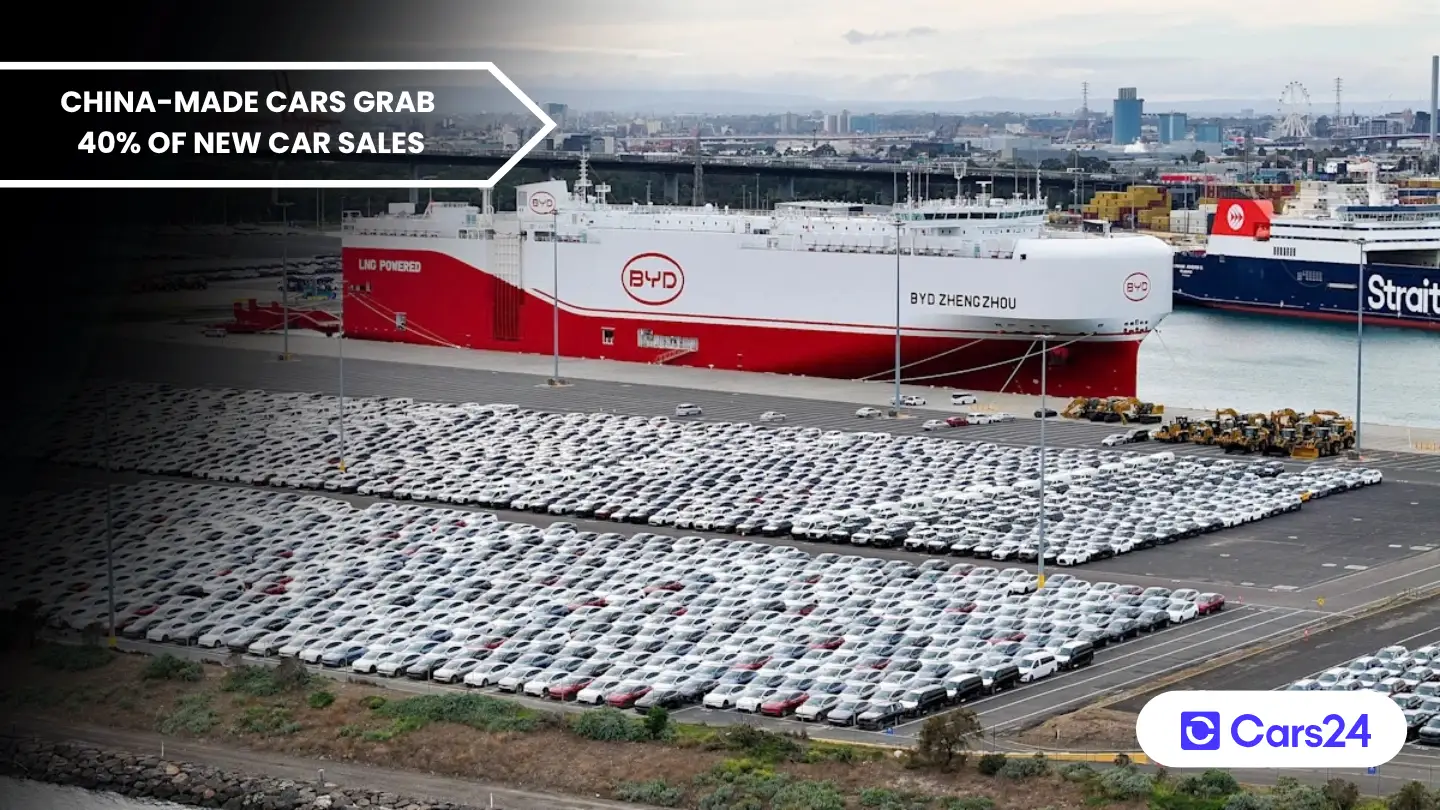
Chinese-made vehicles reached a major milestone in Australia in September 2026, accounting for 38.9% of the new-vehicle market, and for the first time outside a month distorted by a major BYD and Denza shipment, vehicles sourced from China outsold those from Japan and Thailand combined.
The shift reflects the rapid growth of Chinese brands, aggressive pricing and technology, but established global carmakers are also driving the trend by manufacturing more models in China.
China overtakes Japan and Thailand
Combined sales data from VFACTS and the Electric Vehicle Council (EVC) show Australians bought 42,045 China-sourced vehicles in September 2026. Japan and Thailand combined recorded 40,933 sales.
| Countries | June 2026 | September 2026 |
|---|---|---|
| China | 55,331 | 42,045 |
| Japan + Thailand | 50,395 | 40,933 |
That means China supplied more vehicles than the two countries combined, with Thailand accounting for many popular utes such as the Ford Ranger and Toyota HiLux.
The milestone was actually first reached in June 2026. However, that month’s figures received a boost from a dedicated ship carrying almost 5000 BYD and Denza vehicles from China.
Chinese brands are driving the growth
Aggressive pricing, fast-tracked technology and vehicle types tailored to local demand are helping Chinese brands expand rapidly in Australia.
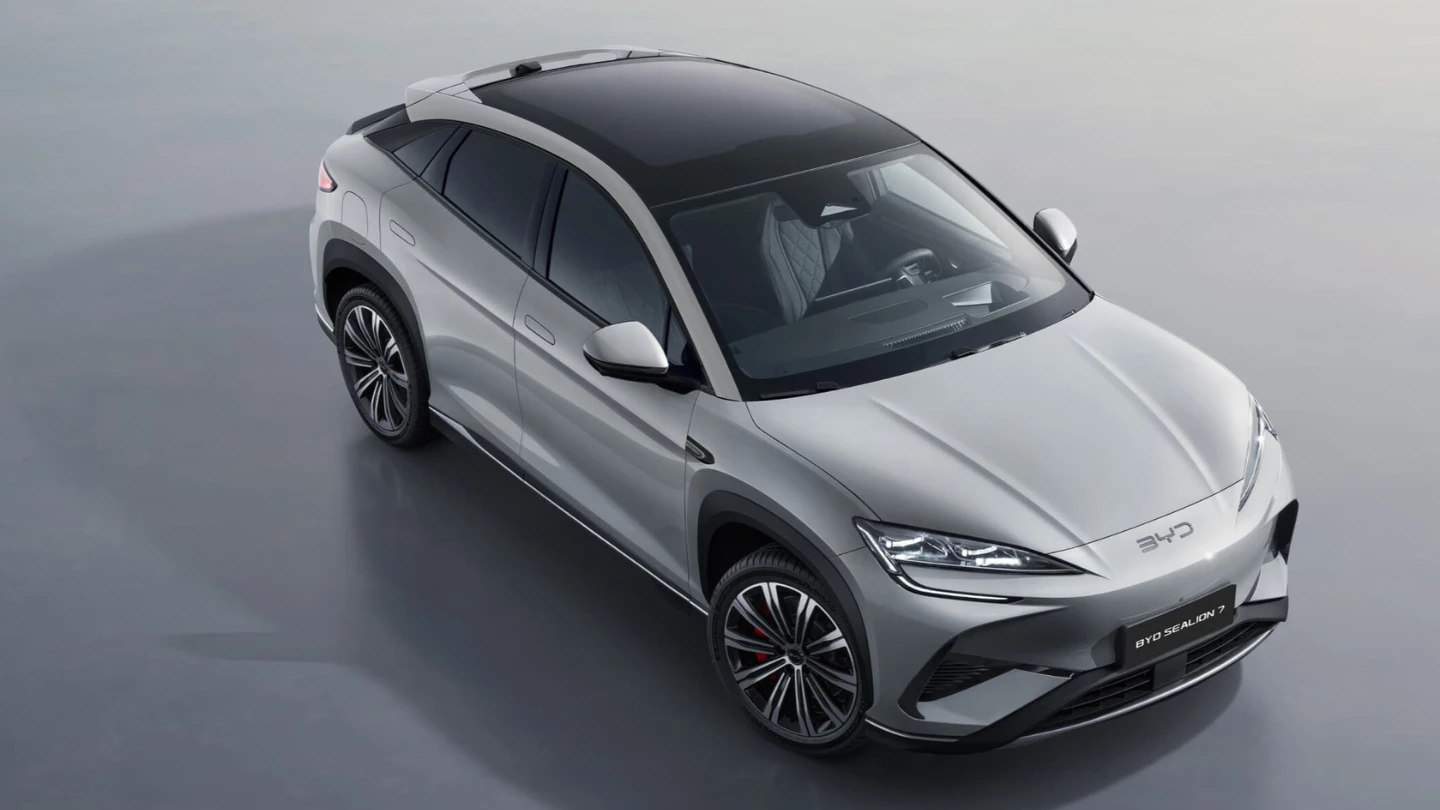
BYD has emerged as the standout performer of 2026, as its sales more than doubled during the first nine months of 2026, putting the brand comfortably into second place overall in the Australian brand race. Its growth has been anchored by the Sealion 7 SUV and the highly anticipated Shark 6 plug-in hybrid ute.
MG, GWM and Chery have consistently retained positions in Australia’s Top 10 brands. During some months this year, Chinese-owned brands have also occupied as many as four or six of the Top 10 model positions, and models such as the GWM Haval Jolion and Chery Tiggo 4 Pro have helped drive that presence.
Western brands are part of the shift
Chinese factories now build more than Chinese brands, as the rise of China as a source of Australian new vehicles extends well beyond Chinese-owned carmakers.
Vehicles built in China now include models from established brands such as Mazda, Hyundai, Kia, BMW and Mini, while Nissan and Ford are also set to join the list.
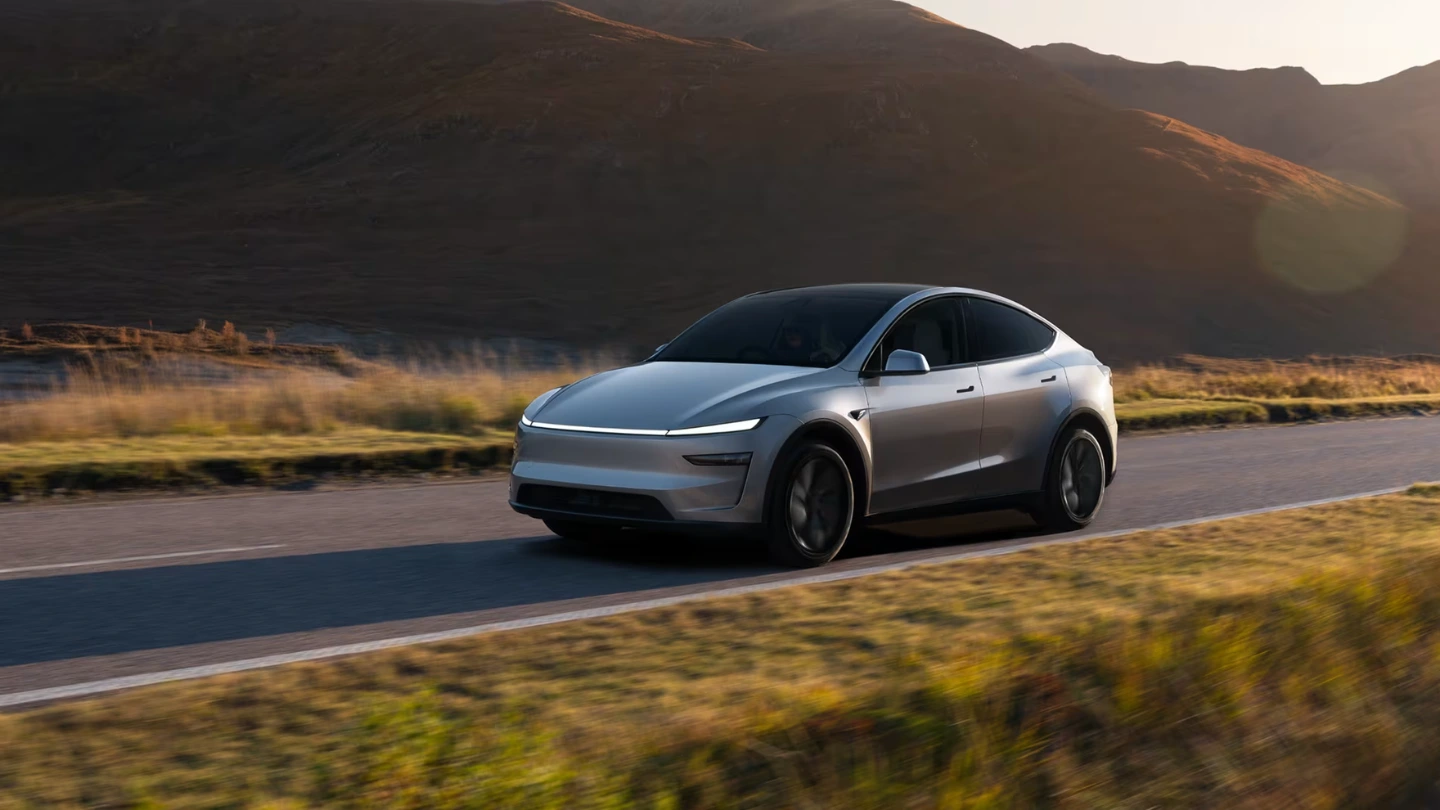
Australia’s top-selling electric vehicle, the Tesla Model Y, is entirely sourced from Tesla’s Shanghai Gigafactory.
South Korea and Germany complete the top five vehicle-producing countries for Australia’s new-car market, where South Korea recorded 9892 sales, down 5.0%, while Germany recorded 4309, down 1.7%.
Also read: Leapmotor B03X price and specs: Australia’s cheapest e-SUV
EV sales surge as petrol falls
The shift in manufacturing origins comes as Australia’s overall new-car market also changes rapidly.
September 2026 sales increased 1.8% compared with the same month in 2025, and EV sales jumped 117.7%, while petrol vehicle sales fell 36.2%. Diesel vehicle deliveries also declined, dropping 18.4%.
More Chinese models incoming: What does it mean for Australia?
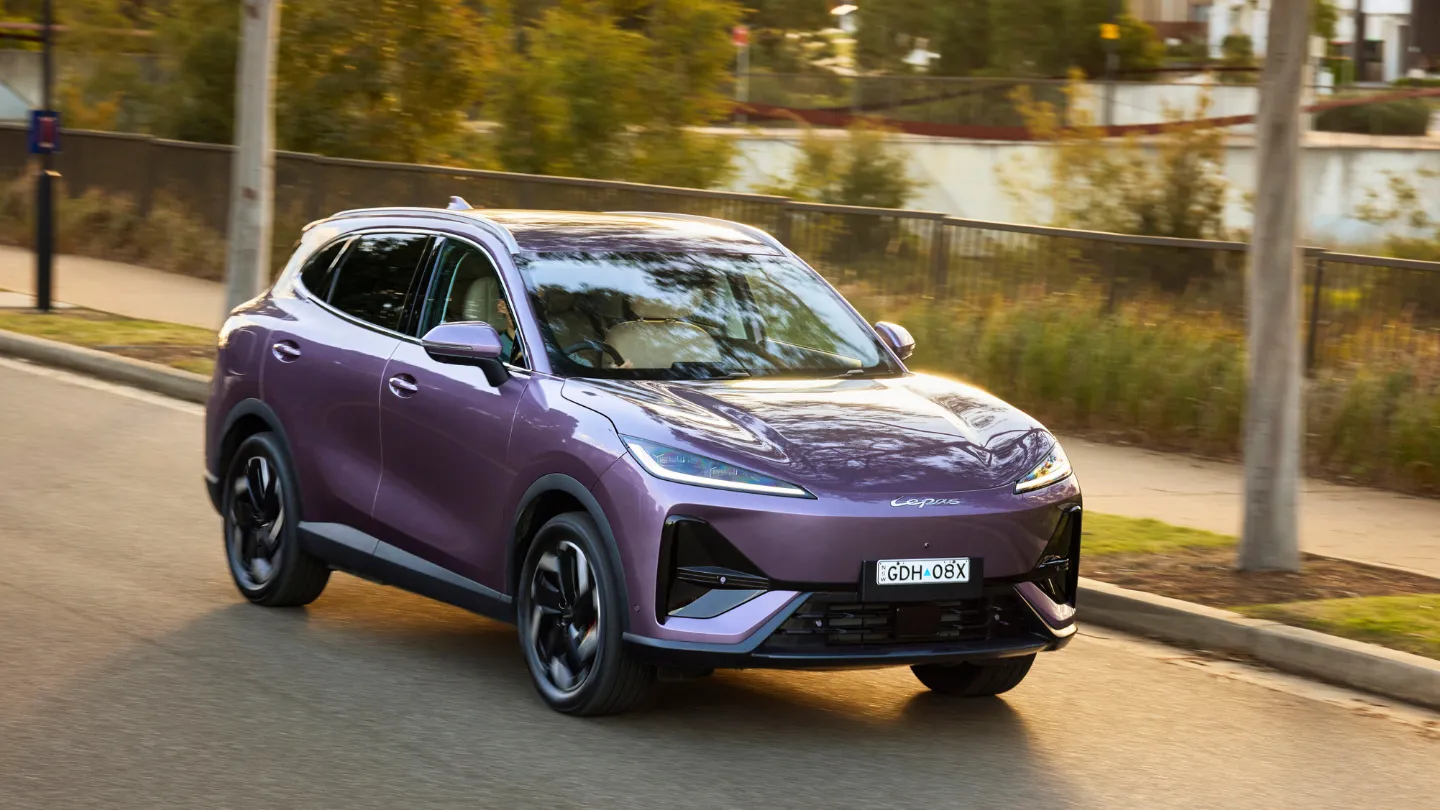
According to data compiled by Pitcher Partners and the Australian Automotive Dealers Association (AADA), the expansion is far from over, as the number of Chinese vehicle models available in Australia is projected to increase from 72 models across various brands to 120 models by 2027.
The AADA forecasts that Chinese-manufactured vehicles could account for 58% of all new cars on Australian roads by 2035, and that points to a much bigger shift ahead, with China already supplying almost 4 in every 10 new vehicles sold in Australia.
These Chinese brands are confirmed to launch locally in the future: Lepas, Jetour, iCaur, Freelander, Xiaomi, Dreame, Hongqi, Avatr, Lynk & Co., 212, Firefly, and Forthing.

Comments
New Comment