




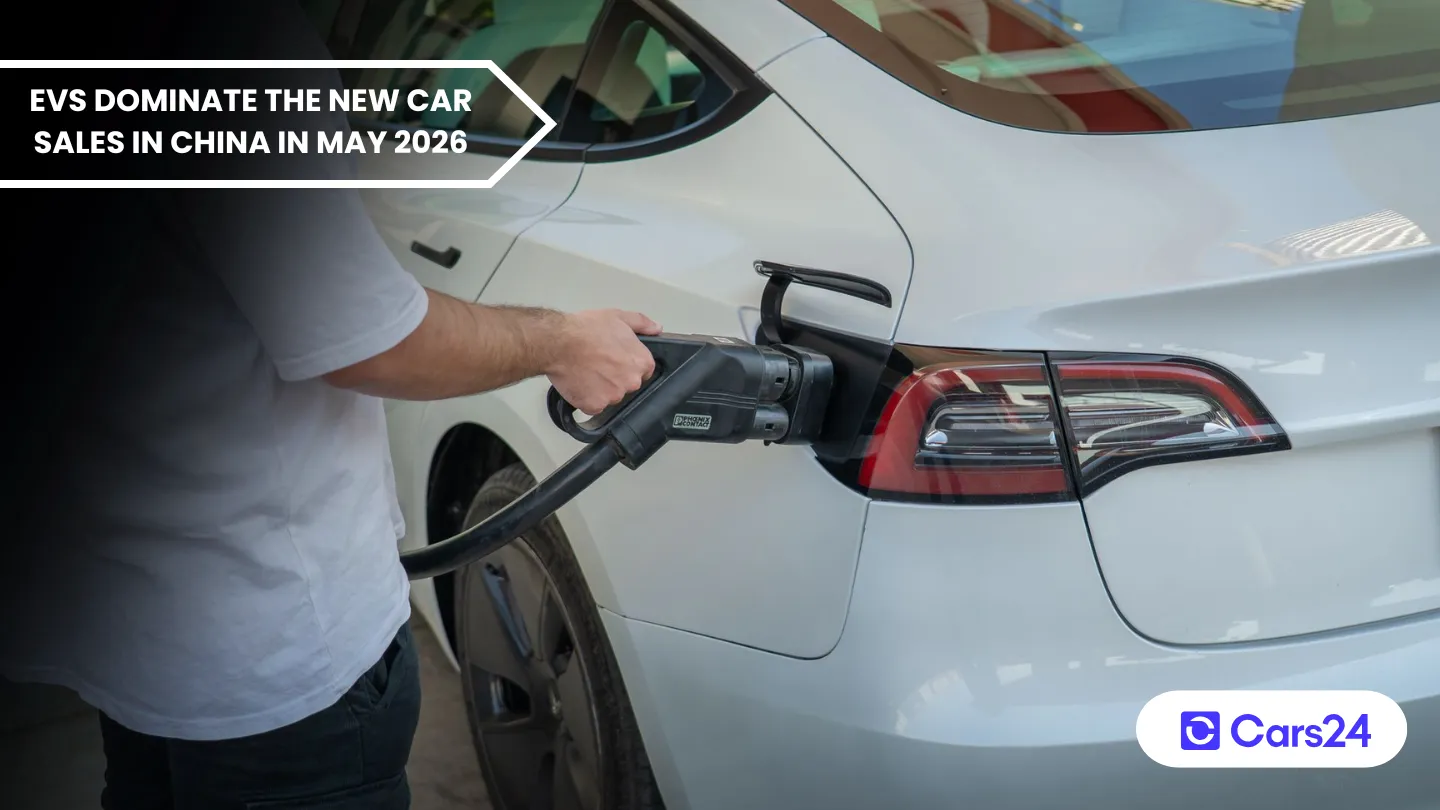
China’s shift towards EVs reached another major milestone in May 2026, with new-energy vehicles (NEVs) accounting for a record 62.9% of all new-vehicle retail sales. The result highlights how quickly the world’s largest automotive market is moving away from traditional petrol and diesel vehicles, even as government incentives are gradually reduced.
The shift was reflected in the sales charts, where EVs occupied the top seven positions, and NEVs made up the entire top 10. Not a single petrol or diesel-powered model featured among China’s best-selling vehicles for the month, underlining the growing dominance of electrified powertrains.
EVs top the sales chart
According to data from the China Passenger Car Association (CPCA), the Geely Xingyuan electric hatchback, which is expected to be sold in Australia later this year as the Geely EX2, was China’s best-selling vehicle in May 2026.
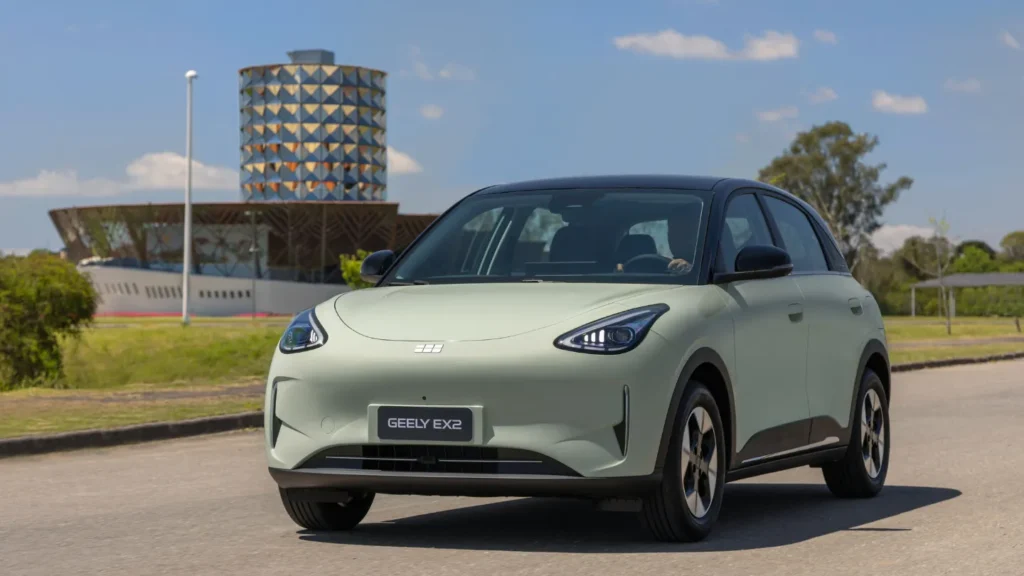
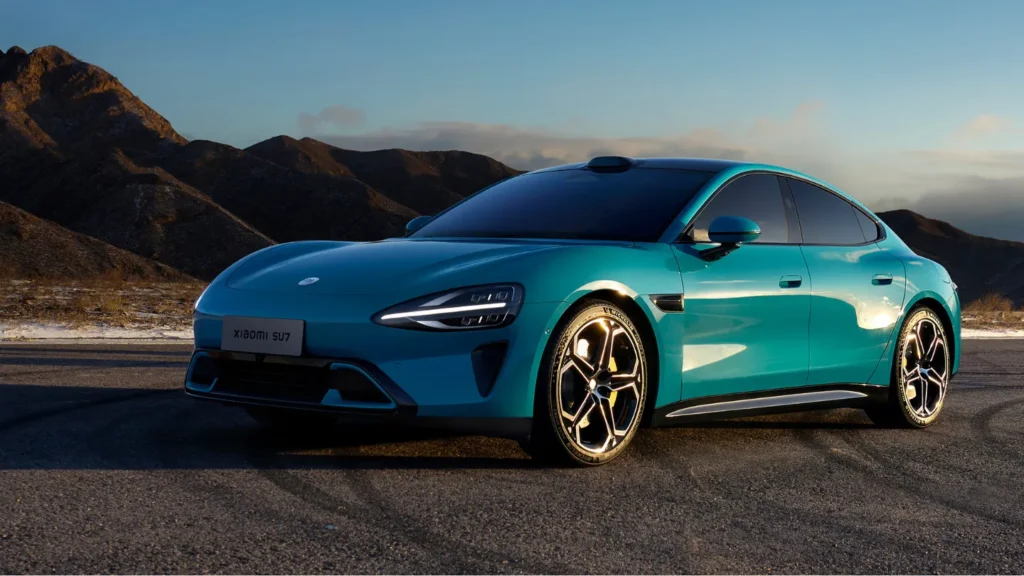
It finished ahead of the Tesla Model Y in second place and the Xiaomi SU7 in third. Notably, there were no traditional petrol or diesel-powered vehicles in the top 10 rankings.
Eight of the top 10 vehicles were fully electric models, while the remaining two were powered by plug-in hybrid (PHEV) or extended-range electric vehicle (EREV) technology. Together, these vehicle types make up China’s NEV category.
Also read: Top-selling car models in Australia for May 2026
EV market share reaches a new record
The CPCA data shows EVs alone accounted for around 42% of China’s 1.51 million new-vehicle retail sales in May 2026, setting a new record. The market share of internal combustion engine (ICE) vehicles continued to decline, falling from 47% in May 2025 to 37.1% in May 2026.
Overall NEV sales were down 7.5% year-on-year in a market that declined by 22.1%. The slowdown was mainly driven by falling demand for PHEVs (-24%) and EREVs (-28%). In contrast, sales of pure EVs increased by 3.9% YoY.
Rising fuel prices boost EV demand
The increase in fuel prices, which also hit Australia, has been linked to driving up EV sales in China. This came despite the country reducing its vehicle trade-in subsidies for 2026.
The revised incentive program lowered support for cheaper EVs while introducing a more gradual incentive structure across the wider electric car market.
Australian market also sees EV momentum
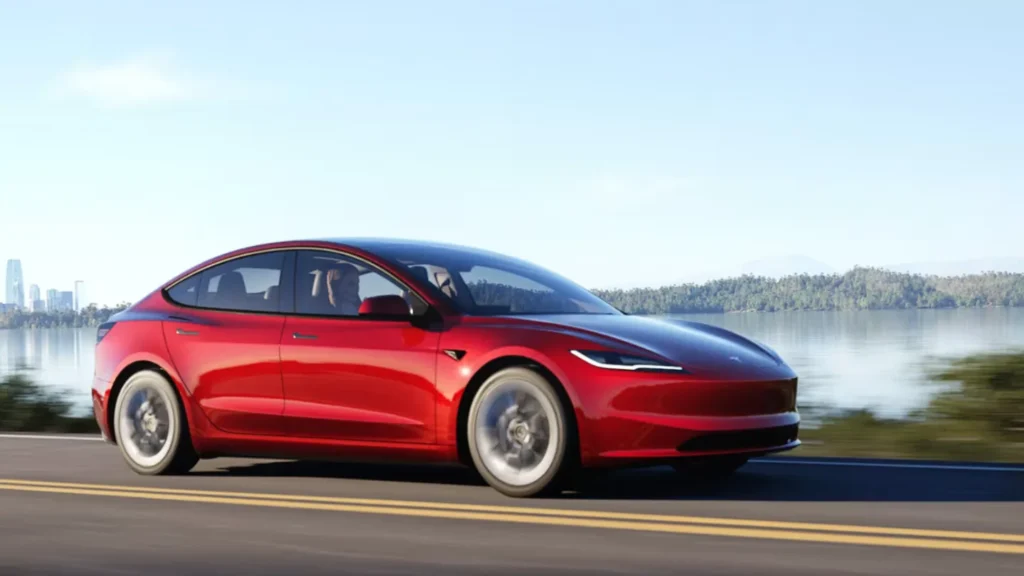
The Tesla Model Y became Australia’s best-selling vehicle in May, overtaking the Ford Ranger and becoming the first EV ever to top the national sales charts. EV market share in Australia rose to a record 19.9% in May, surpassing the previous record of 16.4% set just one month earlier.
Also read: 100,000 BYD cars now on Australian roads (April 2026)
Chinese exports continue to surge
Chinese car makers also recorded significant export volumes during May 2026. Chery exported 181,871 vehicles, representing almost three-quarters of its total monthly production across all sub-brands.
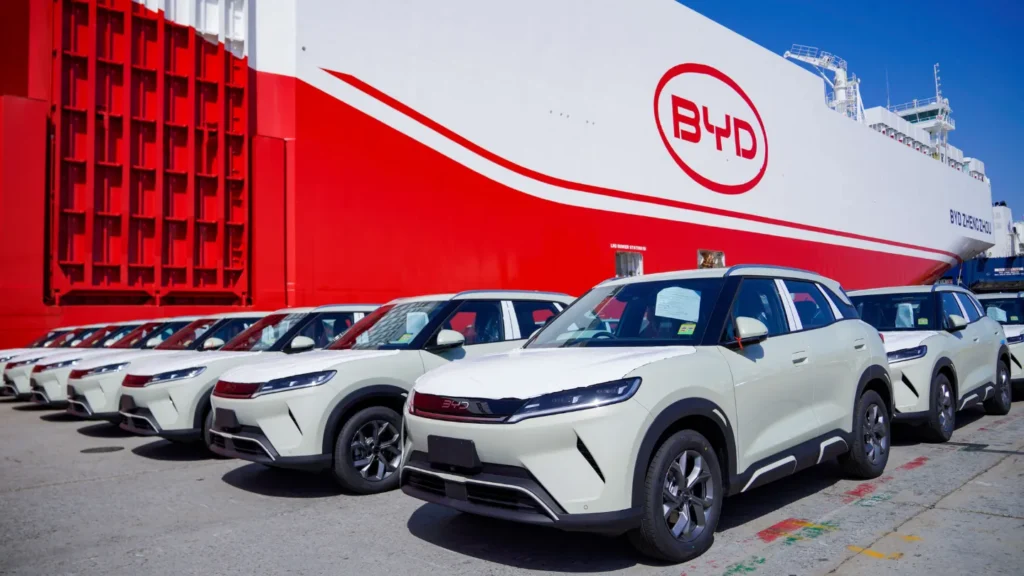
BYD also achieved a new export record, shipping 160,644 vehicles overseas. Among those exports were nearly 5,000 vehicles bound for Australia aboard the BYD Zhengzhou vessel.
The shipment helped support BYD’s rapid growth Down Under, where the brand has effectively tripled its previous intake volume. BYD finished second on the Australian sales charts in both April and May, trailing only Toyota.
Moreover, more than one in three new vehicles sold in Australia during May were built in China. Chinese brands also accounted for four of Australia’s 10 best-selling brands during the month.
Bottom line
China’s EV market reached a new milestone in May 2026, with NEVs accounting for nearly 63% of all new-vehicle sales and petrol-powered vehicles completely absent from the country’s top 10 sales rankings.
Pure EV sales continue to grow despite reduced incentives, while Chinese automakers such as BYD and Chery are expanding their global presence, including in Australia, where EV adoption and Chinese-made vehicle sales are also hitting record highs.

Comments
New Comment