




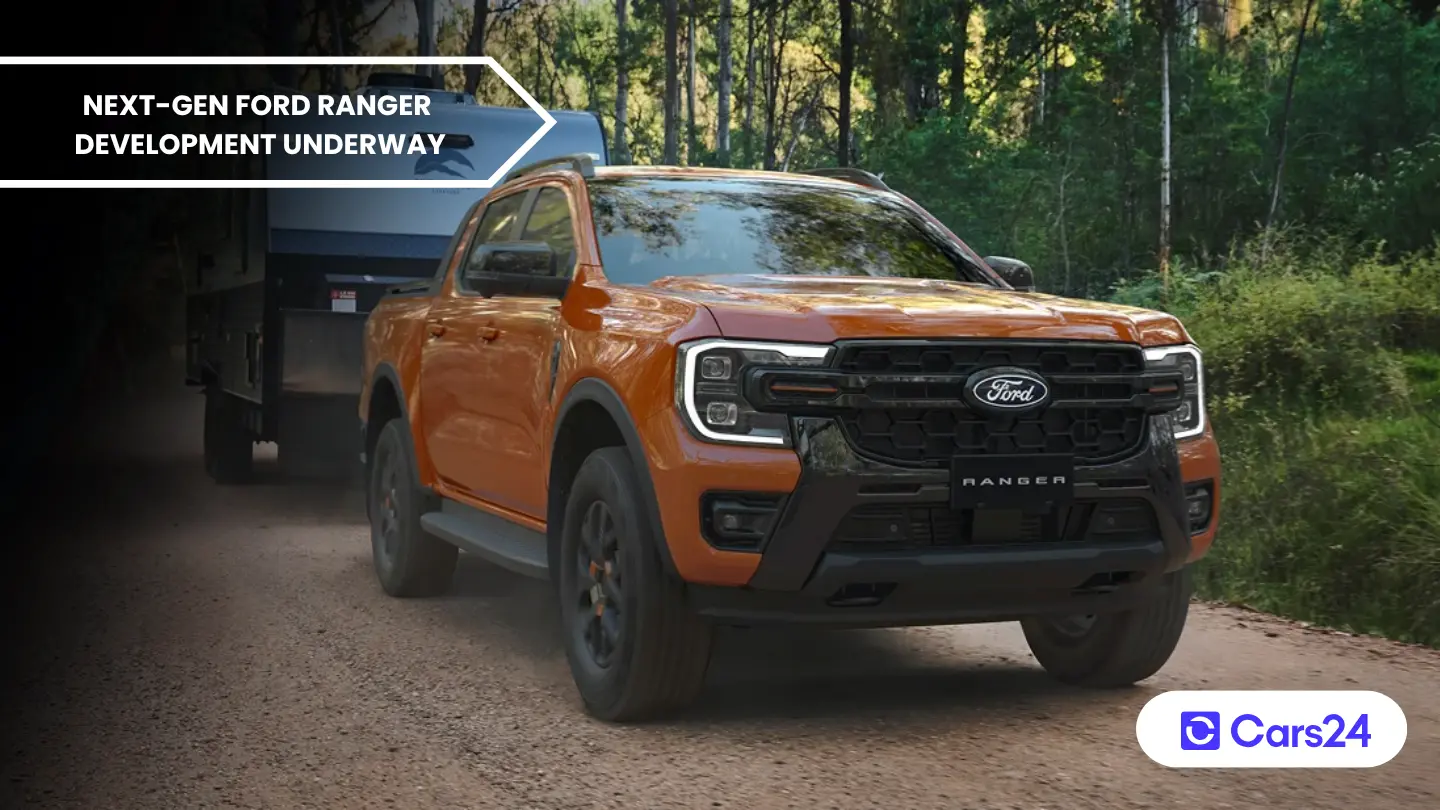
Ford Australia president and CEO Fadi Mawal has confirmed that work on the next-generation Ranger, expected to land around 2030, is underway at the brand’s Melbourne engineering headquarters. Given the long development cycles typical of light-commercial vehicles, that timeline isn’t unusual, but it does show Ford is committing early to keeping its top-selling nameplate fresh.
Mawal said the roughly 1,500 engineers based in Australia are treating the project as business as usual for now. Their brief is to build on the reputation the current and previous Ranger generations have earned locally and internationally, both of which have been praised for their ride comfort, refinement and on-road manners compared with rivals in the ute segment.
He framed the team’s role as central to Ford’s global product plans, not incidental to them. The expectation, at least from Mawal’s side, is that Australia will keep leading Ranger and Everest development unless something changes that arrangement.
Read more: 2027 Ford Transit Custom PHEV and E-Transit Custom get cheaper
Electrification looms over the next generation
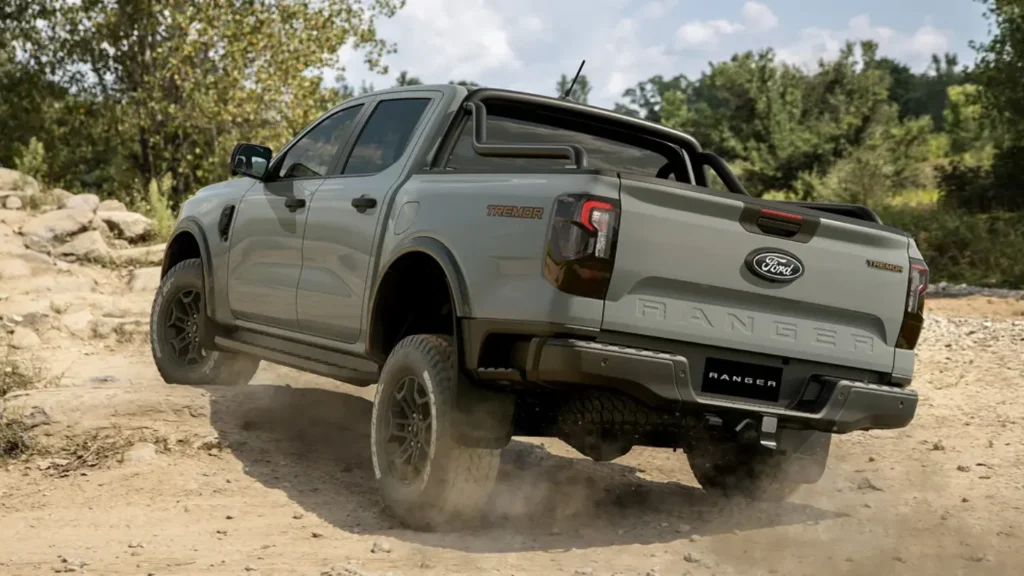
Whatever shape the new Ford Ranger takes, it will likely need to lean harder into electrification than the current model does. Australia’s New Vehicle Emissions Standard is tightening progressively, and Ford has already tested the electrified-ute waters with the Ranger PHEV that arrived in 2025. A next-generation model built for a 2030s market will almost certainly need to go further, whether through a broader hybrid range, a fully electric variant, or both.
That shift also raises the stakes for the Australian team specifically. Electrified powertrains typically demand different engineering skill sets and testing infrastructure, which makes the question of who does that development work more consequential than it might have been for a straightforward combustion refresh.
The catch: Ford’s own CEO has doubts
The more complicated part of this story sits above Mawal’s head. Ford global CEO Jim Farley visited Australia earlier this year around the brand’s return to Formula One, and used the trip to raise pointed questions about the cost of keeping engineering work local.
Farley argued that Australian wages put the local team at a disadvantage against engineering hubs in China, Vietnam and other parts of Asia, and suggested the government needs to help close that gap if it wants to keep the jobs onshore. His comments framed it bluntly: pay a premium for innovation, or risk losing the work to cheaper markets.
It’s a striking tension. The same executive team confirming fresh investment in Australian-led development is also the one signalling that the arrangement isn’t guaranteed to last.
Government talks are still open
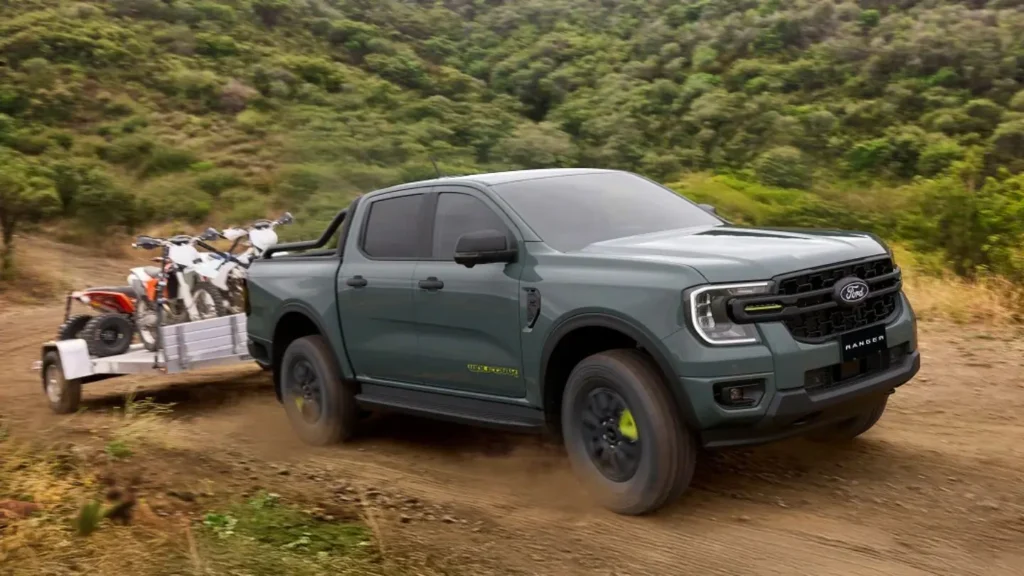
Mawal said discussions with the government haven’t stalled. According to him, Farley used his visit partly to make the case directly to policymakers about the value of Ford’s Australian engineering capability and what the team actually delivers.
Whether that translates into concrete support remains to be seen, and Mawal stopped short of saying what form a resolution might take. For now, the message from Ford Australia is that the next Ranger is being built locally, that the team is proud of what it’s produced so far, and that the conversation about the country’s role beyond this generation is still very much open.

Comments
New Comment