





Key takeaways
- Jaguar Land Rover is targeting 4,000 voluntary redundancies as part of its restructuring programme.
- Chinese wholesale volumes fell 45 per cent year-on-year during the second quarter of FY2027.
- JLR reported a £451 million quarterly loss despite generating £5.9 billion in revenue.
Jaguar Land Rover (JLR) is targeting around 4,000 job reductions as the British luxury carmaker battles falling sales in China, rising restructuring costs and weakening profitability.
The Tata Motors-owned company reported a £451 million loss after tax for the three months ending 30 September 2026, despite generating £5.9 billion, approximately $11.1 billion in Australia in revenue.
The workforce reduction forms part of a wider £1.7 billion, approximately $3.2 billion locally, savings programme designed to reduce operating costs and improve the company’s financial position over the next two years.
For Australian buyers, the financial pressure comes at a time when JLR is preparing to introduce several new electric models, including an all-electric Defender and new electric vehicles under its Range Rover and Jaguar brands.
Read more: Jaguar Type 01 stars alongside Florence Pugh in Annie Leibovitz photo series
Why is Jaguar Land Rover cutting 4,000 jobs?

JLR’s planned workforce reduction is part of its Enterprise Missions restructuring programme, which aims to deliver £1.7 billion in savings over two years.
The company is targeting approximately 4,000 voluntary redundancies, with around 3,000 employees having already signed up. Most of those employees are expected to leave the business at the end of November 2026, while the remaining departures are expected next year.
JLR expects the workforce changes to contribute around £400 million in annual savings, although the wider programme also covers manufacturing costs, structural efficiencies and warranty expenses.
The company is also looking to reduce its financial break-even point to approximately 300,000 vehicles, making it less dependent on higher sales volumes to remain profitable.
JLR reports £451 million quarterly loss despite £5.9 billion revenue
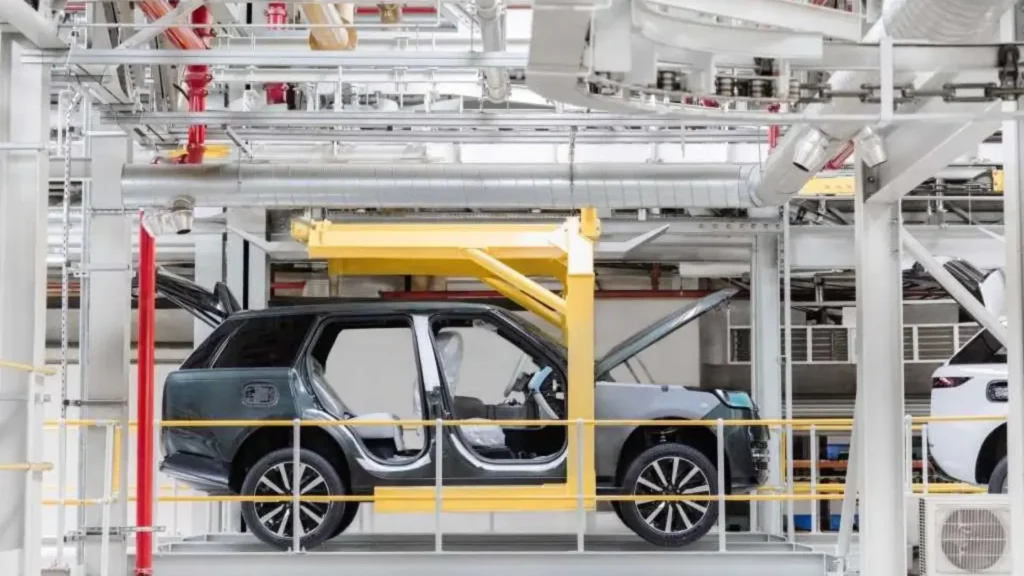
JLR generated £5.9 billion in revenue during the second quarter of FY2027, representing a 20.3 per cent increase compared with the corresponding period last year.
However, the headline revenue figure masks a much weaker profitability position.
The company recorded just £6 million in profit before tax and exceptional items, compared with £109 million in the preceding quarter.
After accounting for £530 million in exceptional charges, JLR reported a £451 million loss after tax.
These exceptional charges include restructuring expenses, separation costs and write-downs of assets and product development investments.
The company’s adjusted earnings before interest and tax (EBIT) margin also fell to 1.1 per cent for the quarter, highlighting how little operating profit it is generating relative to revenue.
JLR recorded £540 million in free cash outflow during the quarter, taking its total free cash outflow for the first half of FY2027 to £1.5 billion.
Its cash balance stood at £1.8 billion at the end of September, while total available liquidity reached £6 billion, including undrawn credit facilities and loans.
Why are JLR sales falling in China?
China remains one of JLR’s biggest challenges.
The company recorded a 45 per cent year-on-year decline in wholesale volumes in the China region during the second quarter of FY2027.
Its wholesale deliveries fell from 11,370 vehicles in the corresponding quarter last year to 6,100 vehicles.
The decline also reflects changes to JLR’s local manufacturing arrangements. Retail sales in China were affected by the cessation of locally produced vehicles through its Chery Jaguar Land Rover joint venture in June 2026.
The Middle East also contributed to weaker performance, with geopolitical disruption affecting wholesale deliveries.
However, the picture was not uniformly negative. JLR recorded stronger wholesale volumes in the UK and overseas markets, while North American deliveries remained relatively stable.
The company delivered approximately 82,400 vehicles globally during the quarter, up from 66,200 in the same period last year.
What does this mean for Australian car buyers?
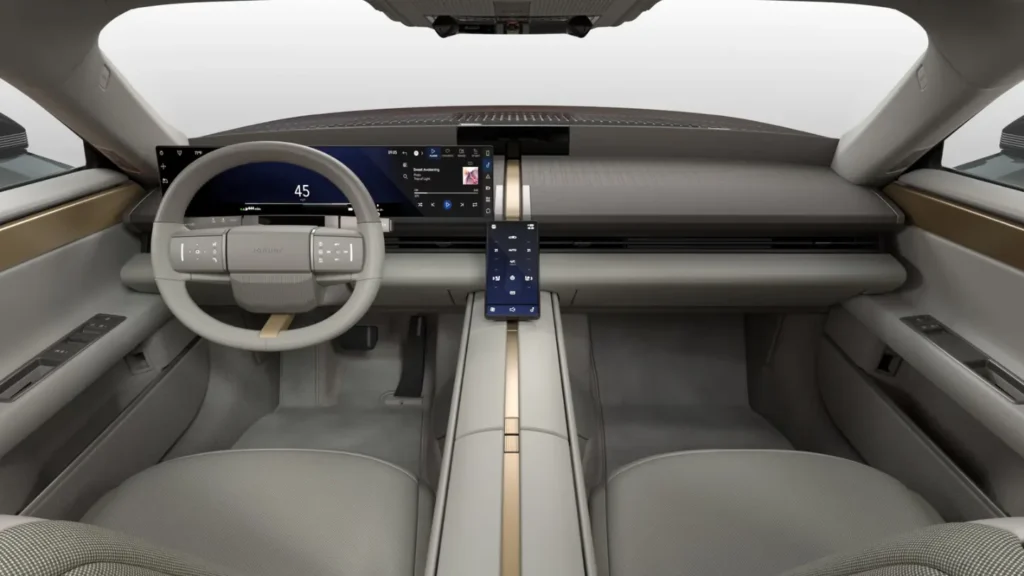
JLR’s financial difficulties do not automatically mean Australian customers will face higher prices, delayed deliveries or reduced model availability.
The company has not announced any specific changes to its Australian operations, dealership network, vehicle pricing or local warranty arrangements as part of the restructuring.
However, the financial results are worth watching because JLR is simultaneously trying to reduce costs and fund a major product renewal programme.
The company has committed between £15 billion and £18 billion to its transformation strategy, with around £11.5 billion already invested since 2024.
Its upcoming electric vehicle programme includes the Range Rover Electric, Range Rover Sport Electric and the new Jaguar Type 01, with deliveries expected to begin from early 2027.
JLR has also confirmed plans for an all-new electric Defender and Range Rover GT, both expected to arrive in 2027.
For Australian buyers considering a new Range Rover, Defender or Discovery, the immediate priority is whether these products arrive locally on schedule and at competitive prices. Australian launch timing, specifications and pricing for the upcoming electric models will need to be confirmed separately.
JLR lowers its profit expectations for FY2027
JLR has revised its financial outlook for the full 2026-27 financial year.
The company now expects an adjusted EBIT margin of between 2 and 3 per cent, alongside approximately £1.25 billion in free cash outflow.
That is a difficult position for a manufacturer investing heavily in new vehicles while dealing with weaker demand in important international markets.
The next challenge will be turning its cost-cutting programme and upcoming product launches into sustainable profits.
For now, JLR’s latest results suggest that even a strong revenue figure is not enough to protect a luxury carmaker from falling demand, expensive restructuring and mounting financial pressure.

Comments
New Comment