




Leapmotor has come under scrutiny in Australia after a Four Corners investigation found cameras from Chinese surveillance technology company Dahua Technology in its electric vehicles. The investigation comes after Dahua cameras were removed from hundreds of Australian government buildings and defence sites amid security concerns.
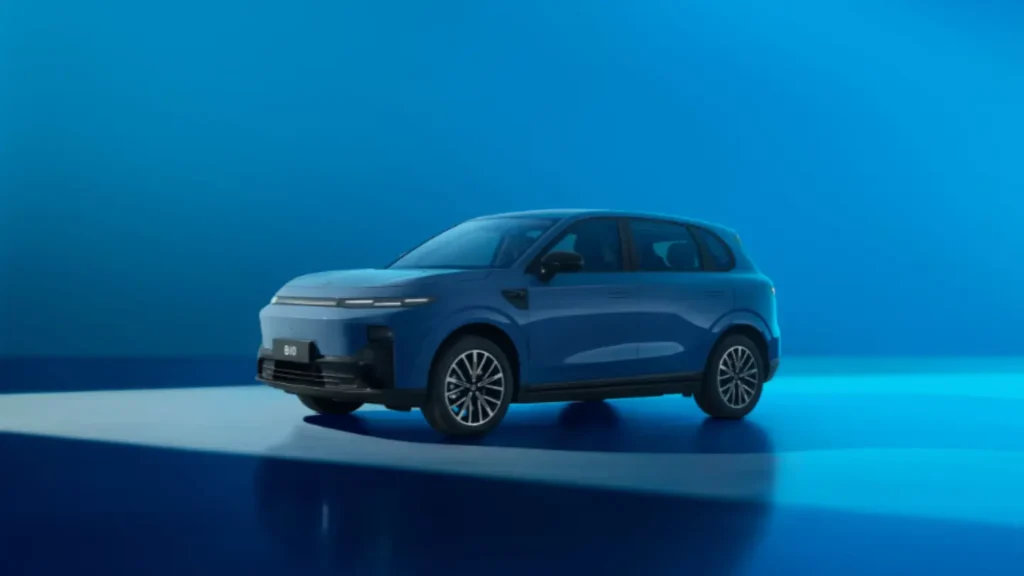
Leapmotor entered the Australian market in 2024 and sells connected electric vehicles equipped with multiple cameras, sensors and other technology. The Leapmotor C10, for example, uses six cameras to provide a 360-degree view around the vehicle and monitor its interior. According to documents filed with the Hong Kong Stock Exchange, Leapmotor has an ongoing procurement relationship with Dahua Zhilian, a subsidiary of Dahua Technology. The agreement covers services, while separate procurement arrangements involving related companies cover camera and radar assemblies. Four Corners also purchased a rear camera from a Leapmotor vehicle and found the Dahua identifier, “DH”, on its labelling.
Leapmotor did not respond to questions from Four Corners about the findings, according to the ABC report.
Read more: Ford Tourneo PHEV to replace diesel in Australia from 2027
Why are Dahua cameras controversial?
Dahua is a major Chinese surveillance technology company whose equipment has previously been used by Australian government agencies. In 2023, the Australian Government announced the removal of Chinese-made cameras from government sites following a security review. The concern was not simply whether individual cameras were connected to the internet, but the potential risks associated with equipment supplied by companies considered to present security concerns.
The latest investigation raises a different question because the same technology can now be found inside a consumer vehicle. Unlike a conventional security camera, a modern connected EV can contain cameras, microphones, GPS, communications hardware and software that can be updated remotely. Former Australian national cybersecurity adviser Alastair MacGibbon told Four Corners that connected vehicles could potentially provide information about their surroundings, including where a vehicle travels and when it is present at particular locations.
That does not establish that Leapmotor vehicles are being used for surveillance in Australia. Rather, the investigation highlights the potential security implications of putting connected vehicles in sensitive locations.
Leapmotor driven around Canberra defence sites
Four Corners tested the issue by driving a Leapmotor around Canberra, including near the Royal Military College at Duntroon, ASIO’s headquarters and the Russell Defence precinct. The investigation found that Australia does not have a blanket ban preventing Chinese connected vehicles from being driven or parked around sensitive government locations.
Home Affairs Minister Tony Burke said some restrictions are already in place for certain connected vehicles, while the Department of Defence declined to disclose specific measures. The issue is not unique to Australia. The UK has introduced restrictions on Chinese EVs and vehicles containing Chinese components at some sensitive military locations. China has also previously restricted Tesla vehicles from certain military and political sites.
For Australian car buyers, however, the immediate takeaway is less about the nationality of an individual vehicle and more about how much technology is now built into modern cars. Connected EVs can collect significantly more information than traditional vehicles, making cybersecurity and data handling increasingly relevant when choosing a new car. The Australian Government has begun work on new cybersecurity and software rules for connected vehicles, although the proposed regulations are not yet in force.

Comments
New Comment