




Key highlights:
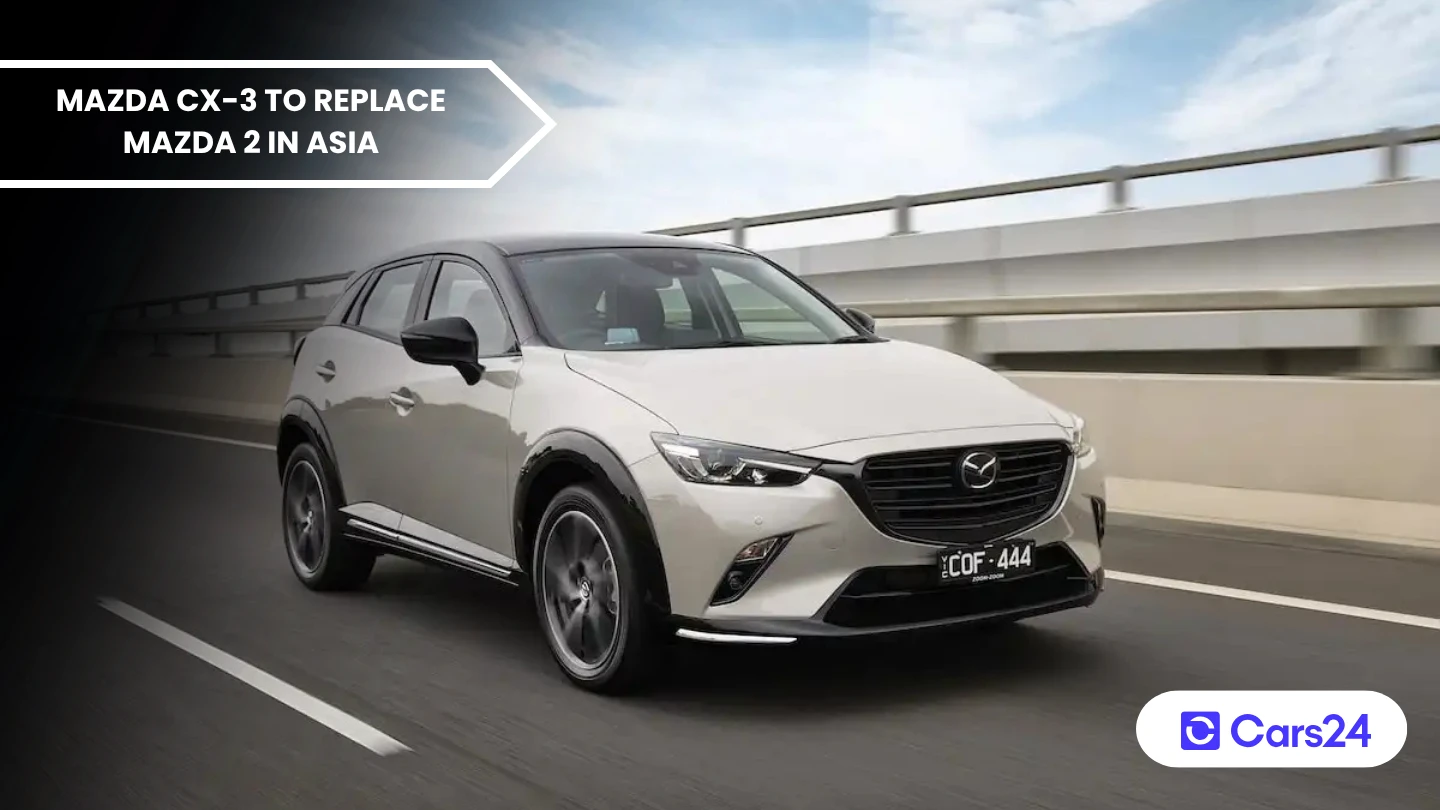
- Next-generation Mazda CX-3 will replace Mazda 2 in Asia from 2027
- Mazda Australia says the Mazda 2 will remain on sale locally
- Australia’s light-car segment has shrunk to 2.6% in 2026
Mazda plans to replace the Mazda 2 with a new-generation CX-3 as its entry-level model in Japan and Southeast Asian markets from 2027. But Australian buyers can breathe easy for now, as Mazda Australia says the Mazda 2 hatchback and sedan will remain on sale locally well into the future.
But the announcement raises questions about the long-term future of Mazda’s ageing light car, which has been on sale in Australia since 2014.
Next-generation Mazda CX-3 to replace Mazda 2 in Asia
Mazda outlined its plans in its Mazda Integrated Report 2026, published earlier this week, and it details the company’s corporate plans, including future model line-ups and growth strategies.
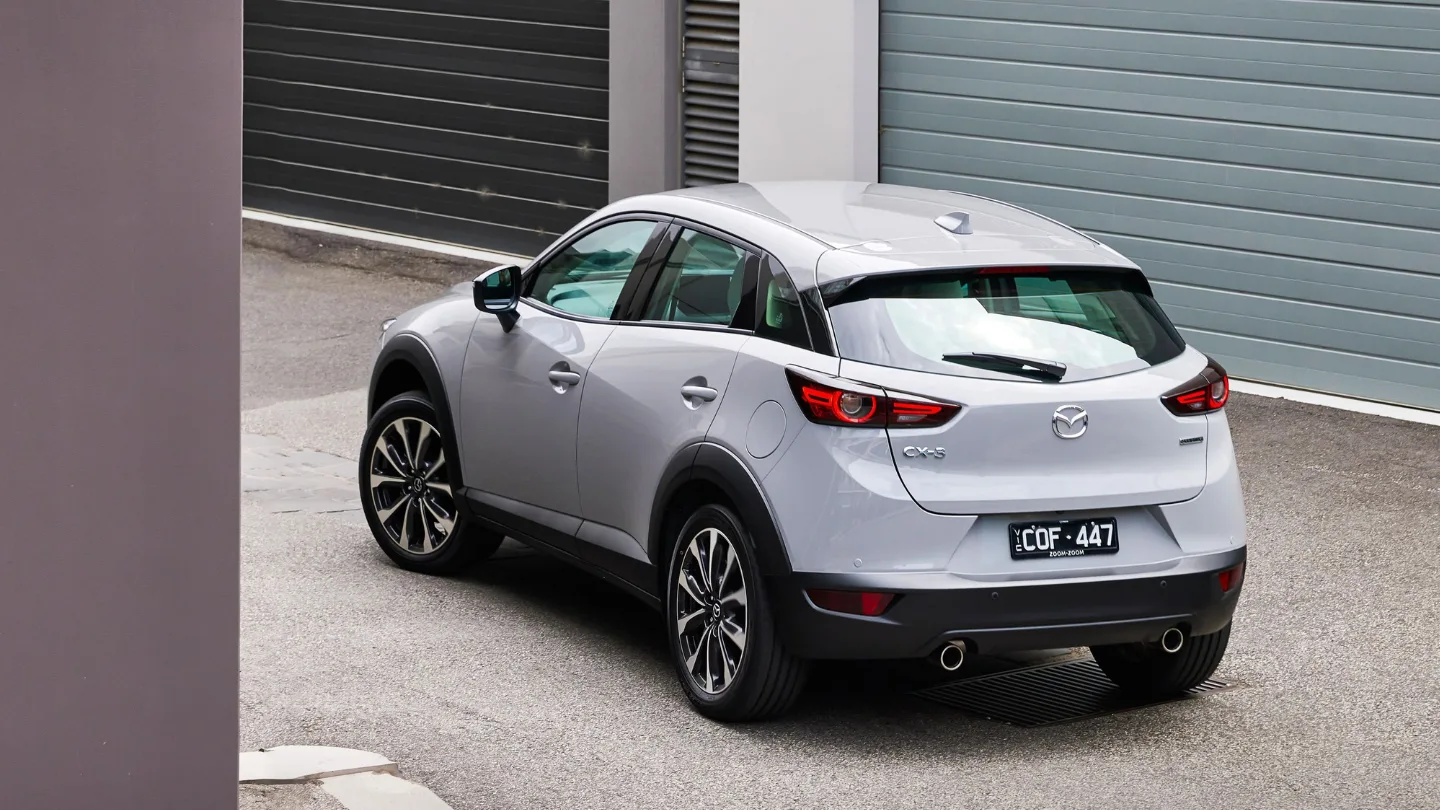
According to the report, Mazda plans to introduce the second-generation CX-3 in 2027. The new light SUV will be built at the company’s factory in Thailand and launched in Japan and ASEAN (Association of Southeast Asian Nations) markets.
Mazda describes the new CX-3 as a next-generation entry-level model that will replace the Mazda 2 in those markets, expanding the brand’s value proposition, but Mazda has not confirmed a fourth-generation Mazda 2 for global markets.
Mazda 2 will remain on sale in Australia
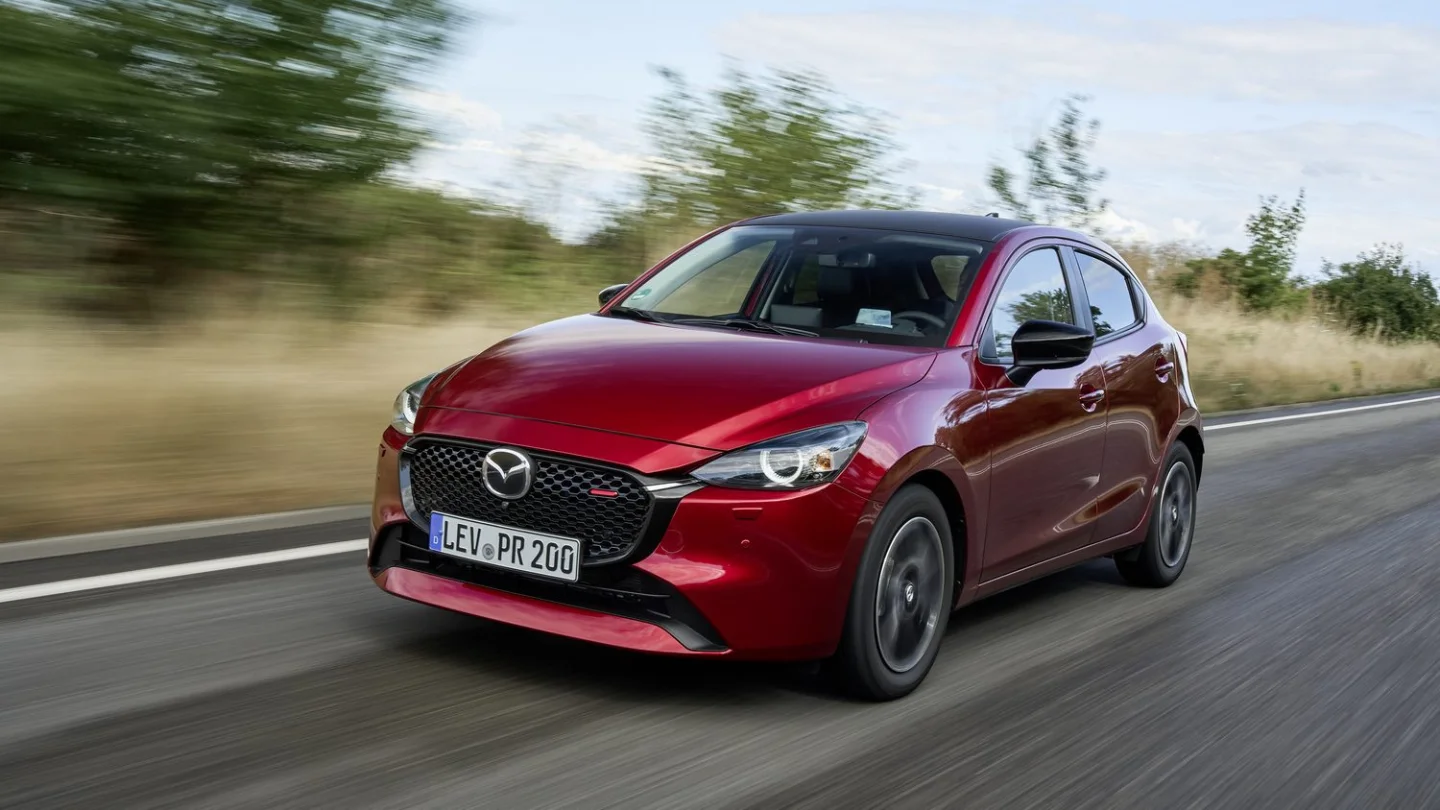
Despite the plans for Asia, Mazda Australia has no immediate plans to discontinue the Mazda 2 hatchback or sedan. The current generation arrived in Australia in 2014 and has received two facelifts over the past 12 years.
A Mazda Australia spokesperson told CarExpert Australia: “We can’t comment on future product plans, but we can confirm that Mazda 2 will continue to be sold in Australia well into the future.”
The Mazda 2 first arrived in Australia in December 2002, replacing the Mazda 121 Metro as the brand’s entry-level hatchback. At this stage, Mazda has not announced a direct replacement for the model globally.
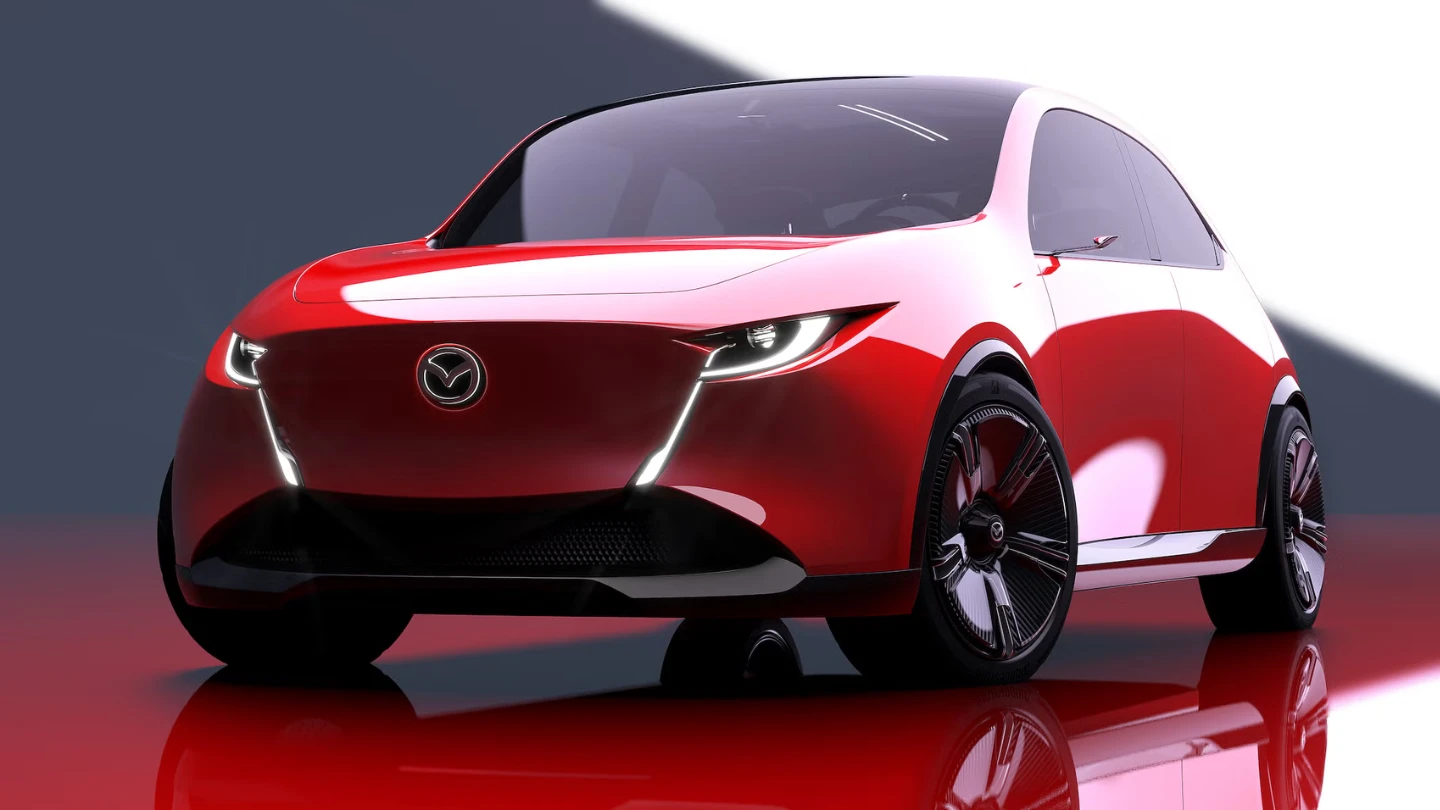
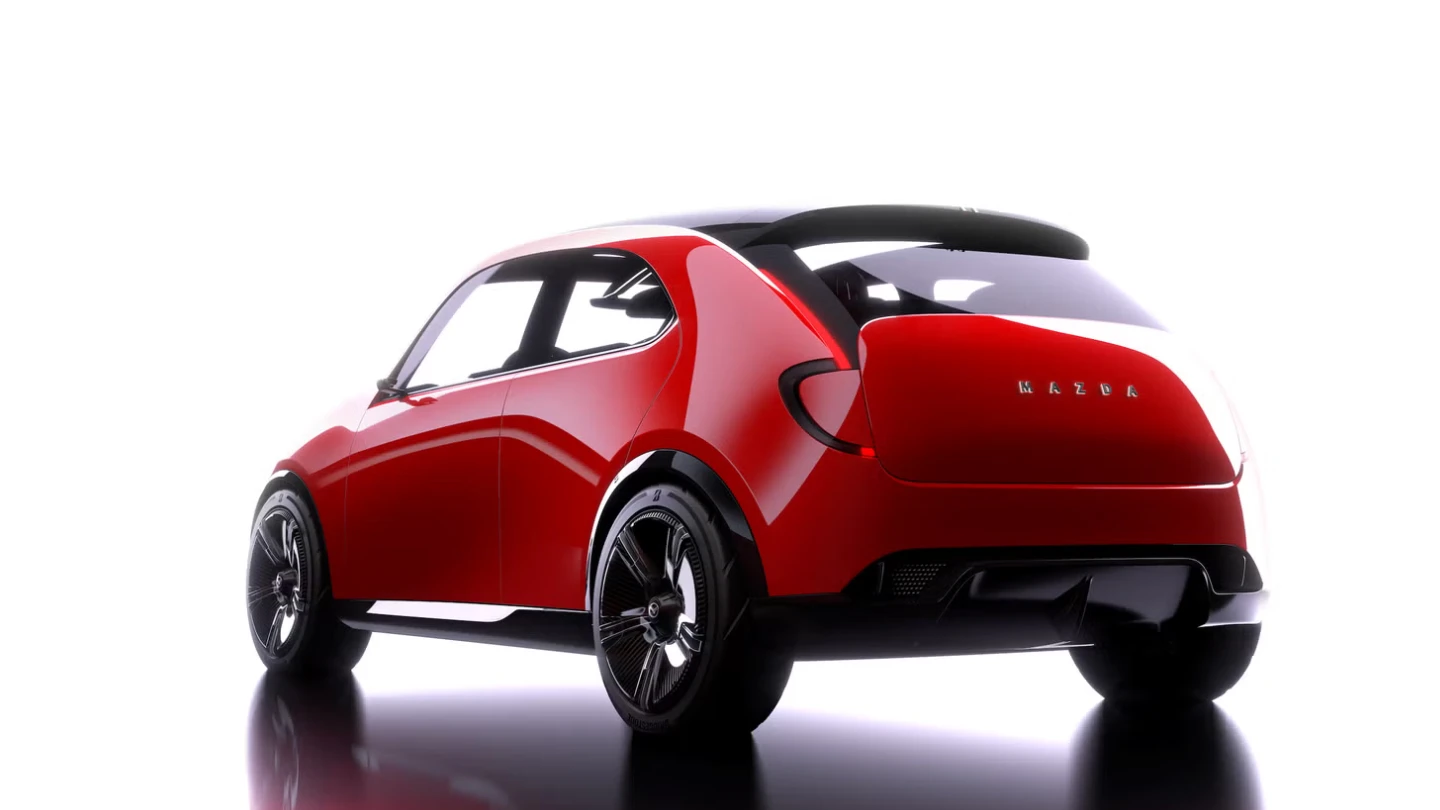
Mazda also offered a possible glimpse of its future small-car thinking at the 2025 Japan Mobility Show in Tokyo, where it displayed the Vision X-Compact concept. The concept echoed the shape of the Mazda 2 hatchback, but Mazda stressed that it did not necessarily preview the next-generation production model.
For now, the future of the Mazda 2 remains uncertain in global markets, even as Australia retains the current car.
Also read: Toyota Corolla prices rise, hatch gains standard features
Light cars continue to lose ground in Australia
The Mazda 2 belongs to a shrinking group of petrol-powered models in Australia’s VFACTS-defined light-car segment and its remaining rivals include the Volkswagen Polo, Suzuki Swift and MG3. The segment accounts for just 2.6% of Australia’s new-vehicle market so far in 2026, down from 8.4% in 2003, the first full year the Mazda 2 was sold locally.
That decline reflects the broader shift towards SUVs over the past 15 years. Several former rivals have already disappeared from Australian showrooms, including the Ford Fiesta, Renault Clio and Honda Jazz.
Mazda CX-3 remains a strong seller
The CX-3 arrived in Australia in 2015 and has remained a popular seller more than a decade later. Interestingly, it shares its platform and engines with the Mazda 2, but the key difference is its higher-riding SUV body, which gives buyers an alternative to a conventional light hatchback.
Australian-market CX-3s originally came from Japan, but Mazda has sourced them from Thailand since 2023, and the Thai factory also builds the Mazda 2.
Although the SUV segment in which the CX-3 competes is larger than the light-car segment, it still represents just 3.7% of Australia’s new-vehicle market. The CX-3 outsells rivals such as the Suzuki Jimny and Toyota Yaris Cross.
Mazda Australia says both models are staying
Earlier in 2026, Mazda Australia managing director Vinesh Bhindi addressed reports that the Mazda 2 and CX-3 were nearing the end of their lives and confirmed that both models would remain in the local range throughout 2026 and 2027, describing the segment as important to the company.
Bhindi also left the door open for future replacements, while stressing that both nameplates would continue to meet Australian Design Rules (ADRs) and remain available through production at Mazda’s Thai factory.
His comments reinforce Mazda Australia’s current position: both the Mazda 2 and CX-3 will remain in its local portfolio for now, even as the company prepares a new CX-3 for other markets.
Looking for a first budget Mazda car? Explore these used Mazda cars offered with a 30-day return policy.

Comments
New Comment