




Key highlights:
- Mercedes-Benz M252 LS produces 185kW and about 395Nm combined
- Electric turbocharger technology targets lag-free response and faster acceleration
- Mercedes-Benz claims 17% lower fuel consumption
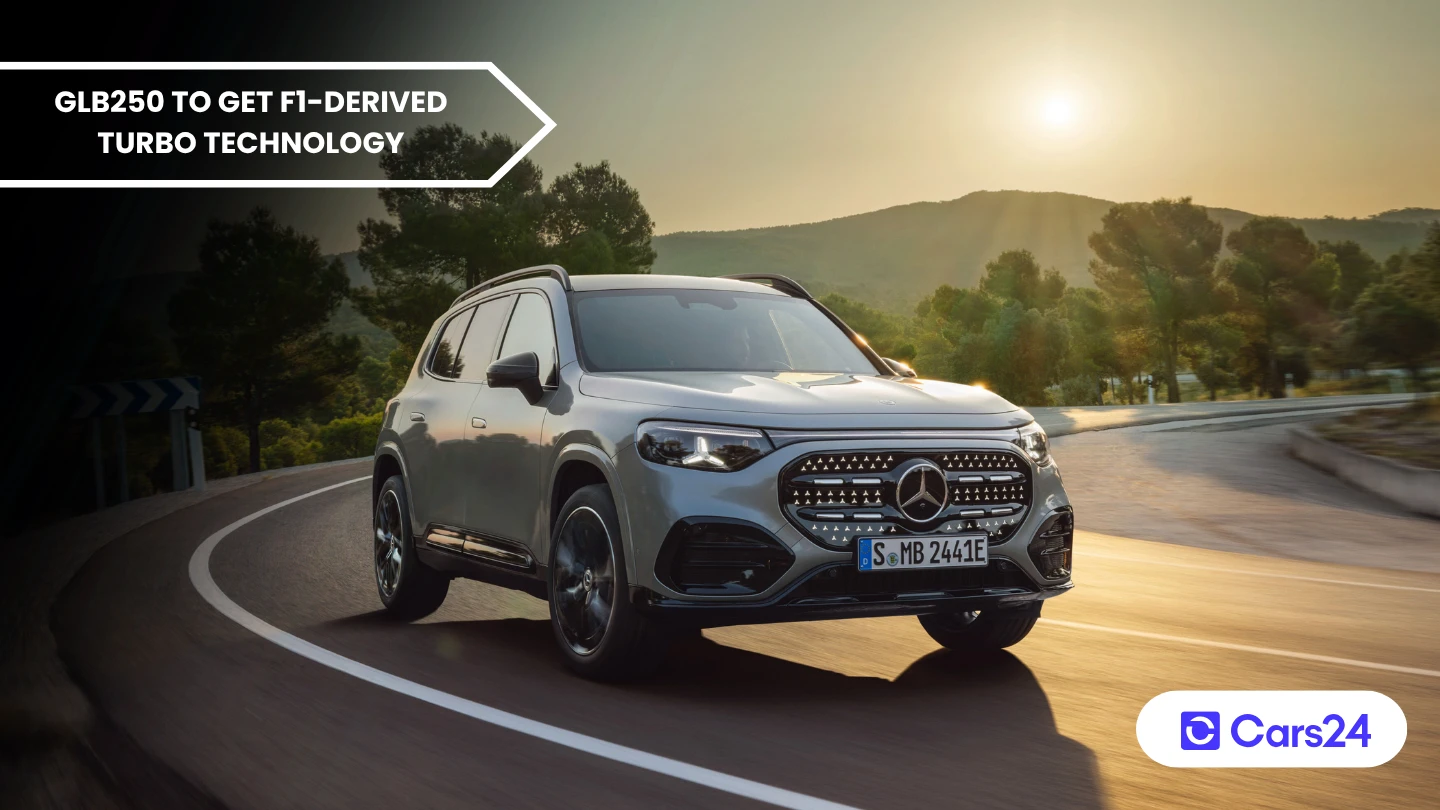
Mercedes-Benz is bringing Formula One-inspired technology to its family SUVs, using an electric motor to eliminate turbo lag and boost performance without sacrificing fuel economy. The new technology will debut in a more powerful version of the GLB in Europe by the end of 2026, with the Australian launch still unconfirmed.
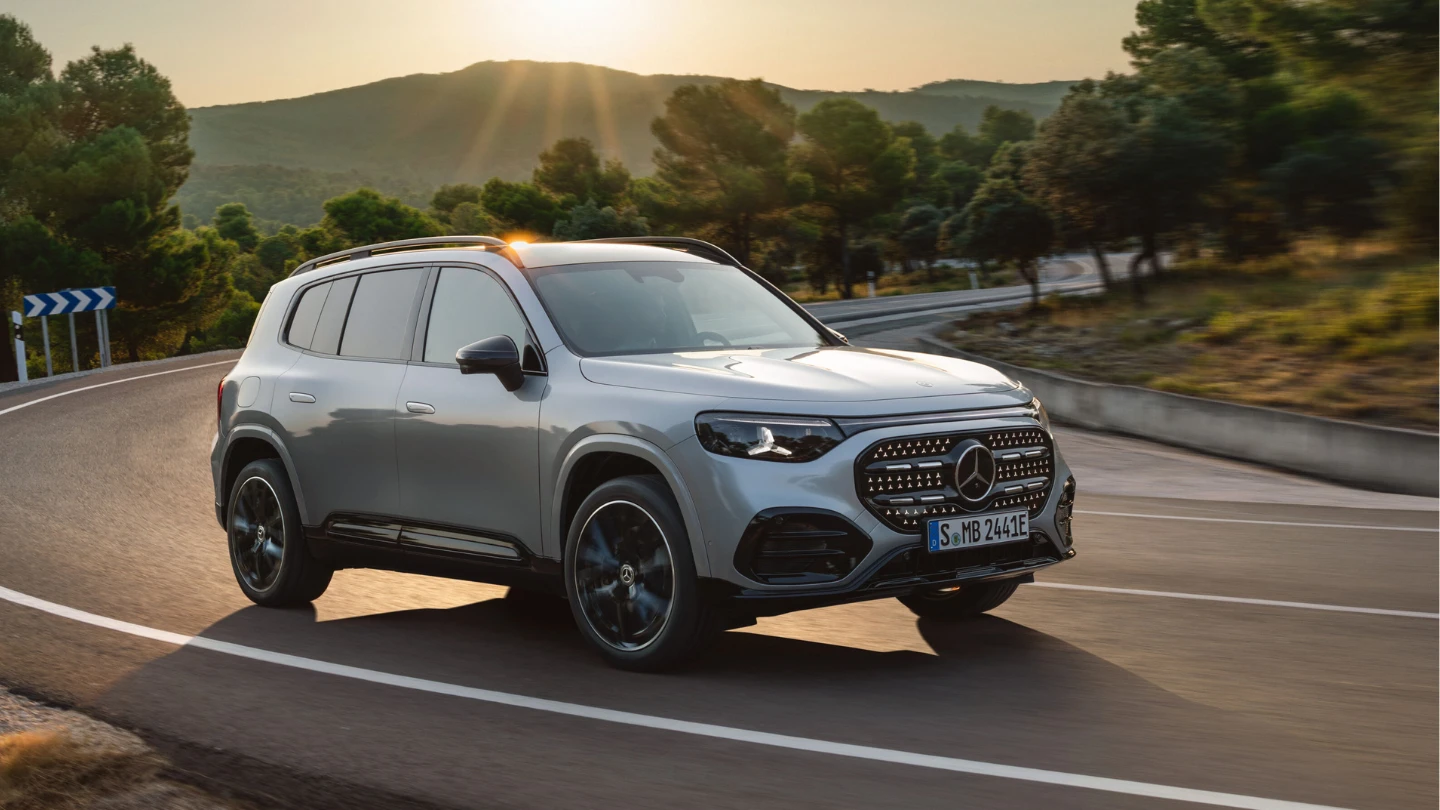
The new engine also promises performance beyond the previous-generation GLB250’s 2.0-litre petrol engine, while cutting fuel consumption by 17 per cent. The upcoming Mercedes-Benz GLB due in Europe is a completely second-generation model built on the brand’s entirely new MMA (Mercedes‑Benz Modular Architecture) platform.
Mercedes-Benz develops more powerful M252 LS engine
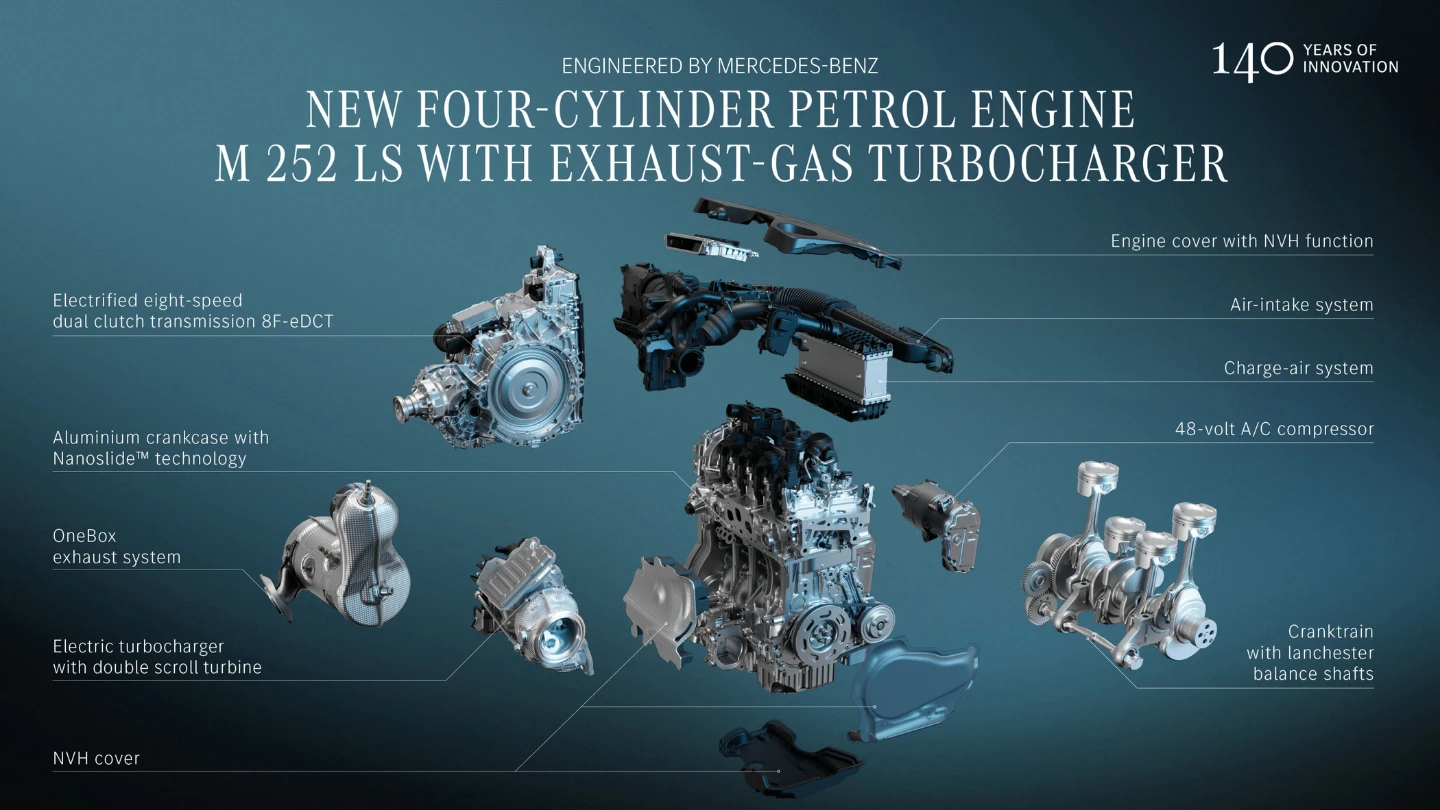
Mercedes-Benz has revealed the M252 LS, an upgraded version of the 1.5-litre turbocharged four-cylinder petrol engine used in the GLB and GLA SUVs, as well as the CLA sedan and wagon. The new engine produces more power and torque than the existing M252.
Its key difference is an additional electric motor that spins the turbocharger, helping it build boost pressure sooner and reducing turbo lag. That motor works alongside the existing electric motor, which assists the engine in driving the wheels.
| Specification | Existing M252 | New M252 LS |
|---|---|---|
| Petrol engine | 1.5-litre turbo four-cylinder | 1.5-litre turbo four-cylinder |
| Engine output | 140kW / 300Nm | 170kW / 320Nm |
| Existing wheel-drive electric motor | 22kW | 22kW |
| Additional turbocharger motor | — | 5kW |
| System output | Not specified | 185kW / ~395Nm |
| Claimed fuel consumption improvement | — | 17% lower |
The current M252 engine produces up to 140kW and 300Nm, supported by a 22kW electric motor and a small battery that powers that motor and recharges through braking energy recovery or via the petrol engine. The M252 LS adds a larger turbocharger and a 5kW electric motor mounted on the turbocharger shaft.
Mercedes-Benz says the new engine delivers performance comparable to the previous-generation GLB250’s 2.0-litre engine, while improving fuel efficiency. The M252 LS’s combined output of 185kW and about 395Nm exceeds the older GLB250’s 165kW and 350Nm.
The M252 LS will first arrive in Europe in a new GLB250 variant, with showroom arrivals scheduled for the end of 2026. Mercedes-Benz has yet to confirm plans for Australia.
Also read: Brabus P900 Rocket Edition: Limited-run 662kW G-Wagon pickup
How Formula One technology eliminates turbo lag
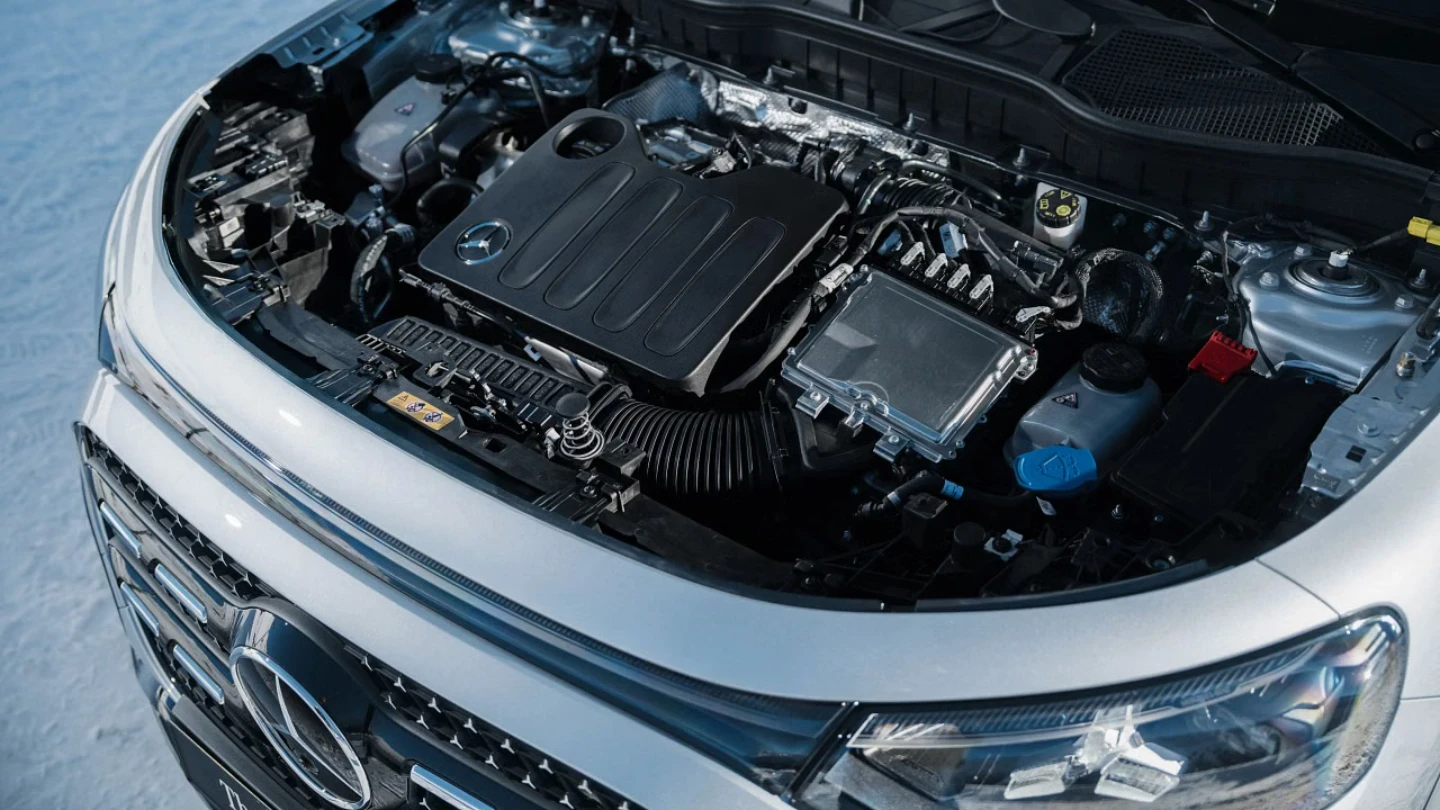
The additional electric motor draws on technology that Formula One used until the end of the 2025 season. The sport removed the electrically assisted turbocharger technology from its regulations for 2026.
In a conventional turbocharged engine, the turbocharger needs sufficient exhaust gas flow to spin up and generate boost pressure, and at low engine speeds, that can cause a delay between pressing the accelerator and feeling the engine respond. Drivers know this as turbo lag.
The M252 LS tackles that delay by using electrical energy to spin the turbocharger before exhaust gases alone can do the job.
“Small engine displacement, high boost – usually, it takes forever [to spool]. Everybody knows the turbo lag,” Nils Brinkert, an electrified turbocharger engineer at Mercedes-Benz, told media.
“With this technology, there is no turbo lag because you can really input electrical energy into the turbocharger before you even hit the throttle, and increase the boost so that when you need boost, it’s already there.”
Before 2026, Formula One power units used two electric motor-generator systems for different jobs:
- MGU-K: Assisted the engine and directly increased power
- MGU-H: Used electrical energy to spin the turbocharger, reducing lag
The systems also recovered energy. The MGU-K captured energy under braking, while the MGU-H could use exhaust gases to spin a turbine and help charge the battery. The petrol engine could also contribute to energy recovery.
Mercedes-Benz applies a similar principle to the M252 LS, using a dedicated electric motor to bring the turbocharger up to speed more quickly.
Why boosting the turbo can deliver more power
Mercedes-Benz engineers say the additional turbocharger motor can make better use of the battery’s limited electrical energy. Rather than sending all that energy straight to the transmission through the wheel-drive electric motor, the system can use some of it to increase turbo boost. That allows the petrol engine to generate additional power.
Brinkert explained the advantage using the example of accelerating from a standstill at traffic lights. “The battery can only do so much,” he said.
He described how directing 5kW into the boost system could produce an effective multiplication of seven to 10 times through the petrol engine, resulting in roughly 40kW of engine power. The idea is to transfer more energy to the driveshaft and accelerate faster, while maintaining efficiency.
Mercedes-Benz claims diesel-like fuel economy
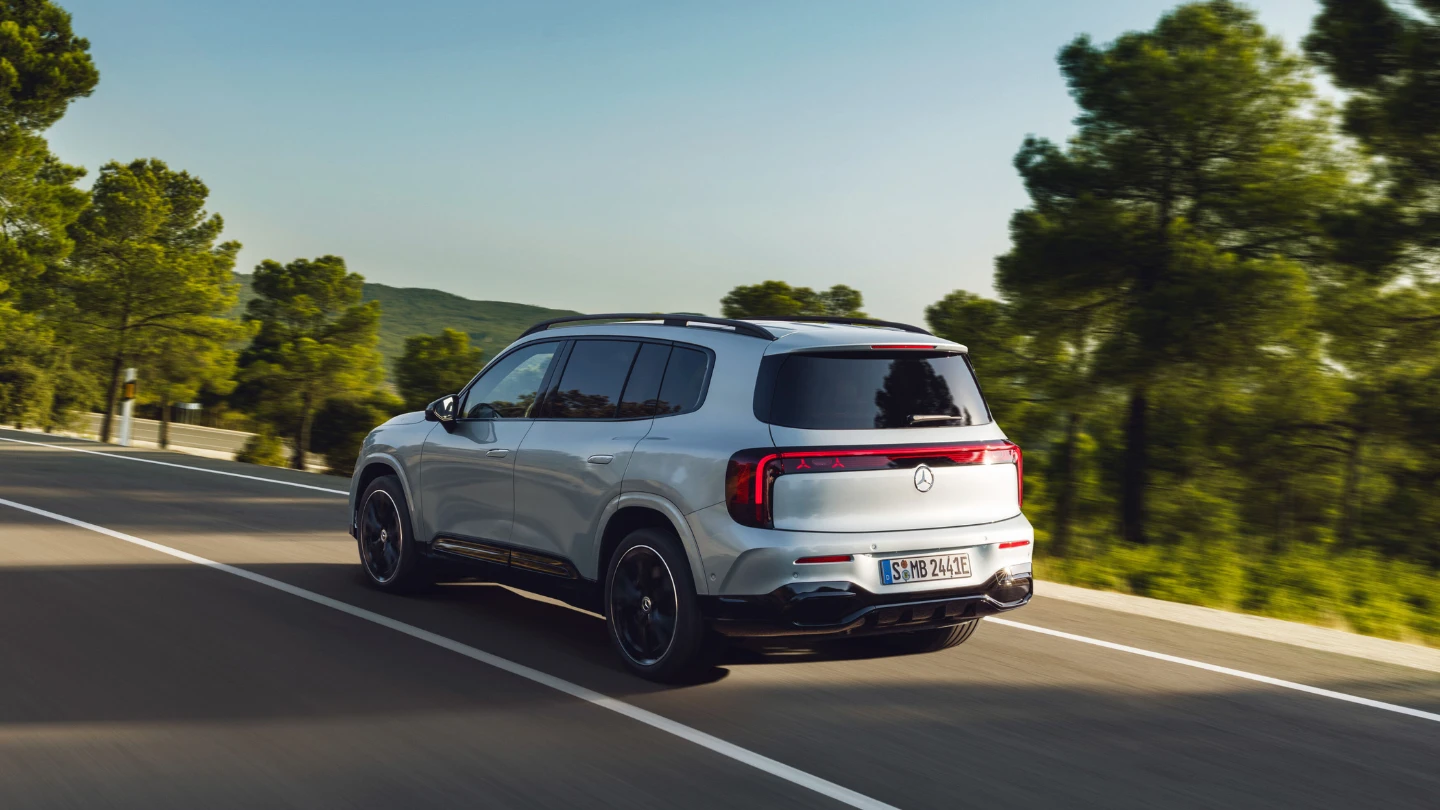
Mercedes-Benz claims the M252 LS cuts fuel consumption by 17% compared with the existing engine, although it has not published a precise consumption figure for the new version. For context, the current 140kW GLB220 has a claimed fuel consumption figure of 6.5L/100km under the applicable test standards.
Mercedes-Benz says the new engine’s efficiency removes the need to develop a separate diesel engine to achieve similar economy.
“We very often get the question, why not a diesel anymore? No need. The energy efficiency of that one here [M252 LS] is on diesel level,” Oliver Vollrath, Mercedes-Benz chief engineer of drive systems, told the media.
“So why develop two engines if you can have both a very high-performance 170kW engine on a consumption basis of a diesel?” The claimed efficiency improvement could make the engine an important option for buyers who want stronger performance without a corresponding increase in fuel use.
Designed to meet Euro 7 emissions standards
Mercedes-Benz has developed the M252 LS to meet Euro 7 emissions standards. The engine uses the Miller cycle and Lambda 1 combustion to reduce tailpipe emissions, and it also gains a balancer shaft designed to reduce vibration and harshness.
These changes complement the electrified turbocharger, giving the engine a broader focus than simply increasing power. For now, the more powerful GLB250 is confirmed for Europe, with sales due to begin at the end of 2026, and Mercedes-Benz has not announced whether Australian buyers will receive the M252 LS or when it might arrive.

Comments
New Comment