




Key highlights:
- Rimac expects petrol supercars to outlive EVs in luxury markets
- Chiron-successor Tourbillon with hybrid power has sold out 250 units
- Mate Rimac: Wealthy buyers increasingly value bespoke personalisation
The future of high-end supercars may not be electric, according to Rimac founder and Bugatti Rimac CEO Mate Rimac. He believes mainstream cars will shift overwhelmingly to electric power, but wealthy buyers will continue choosing petrol-powered supercars for years to come.
He compared the luxury car market to Swiss watches, where buyers pay for craftsmanship, mechanical complexity and exclusivity rather than the latest technology.
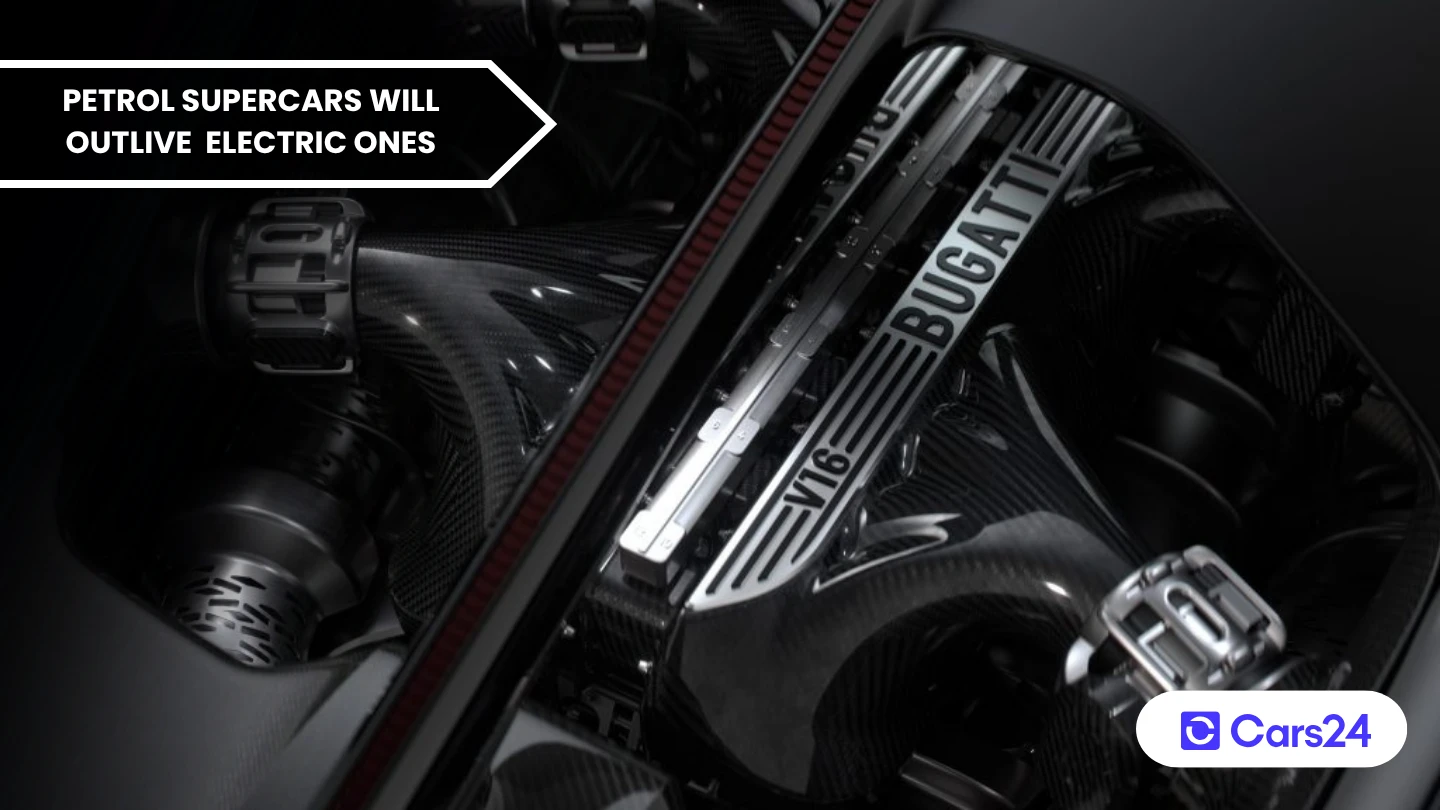
Rimac stated that Bugatti will not release an all-electric car anytime soon and will focus strictly on petrol and hybrid platforms, and Rimac manifested this strategy in the latest 250 Bugatti Tourbillon units, which pair a massive 8.3L V16 engine with 3 motors to generate 1,343kW and are already sold out.
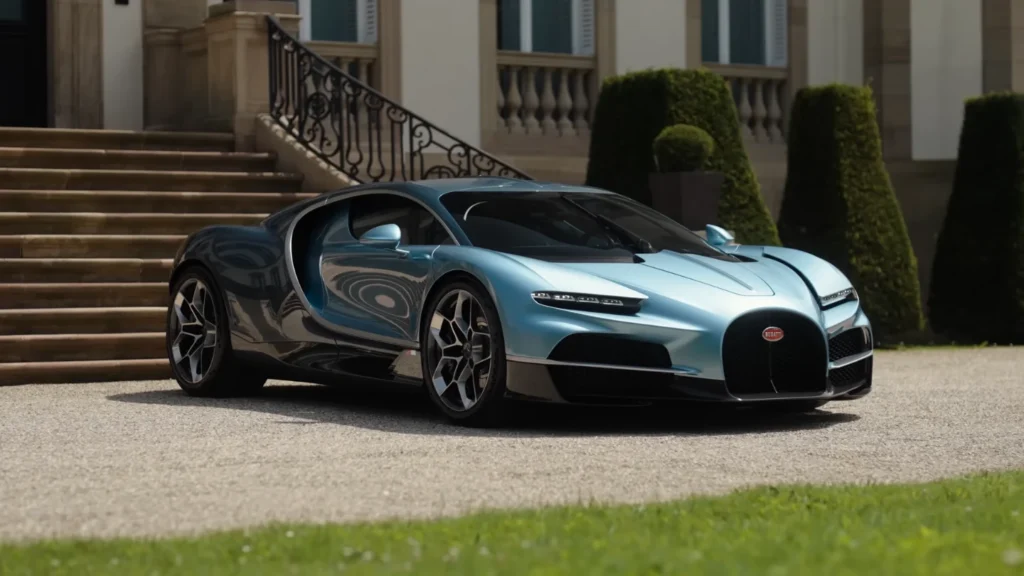
Supercars entering their ‘Swiss watch phase’
Rimac said the mainstream car market and the high-end performance market will follow very different paths.
“For normal cars, normal people, the vast majority will be electric,” he said, while predicting that sports cars and higher-end vehicles will remain combustion-powered “for a very long time”.
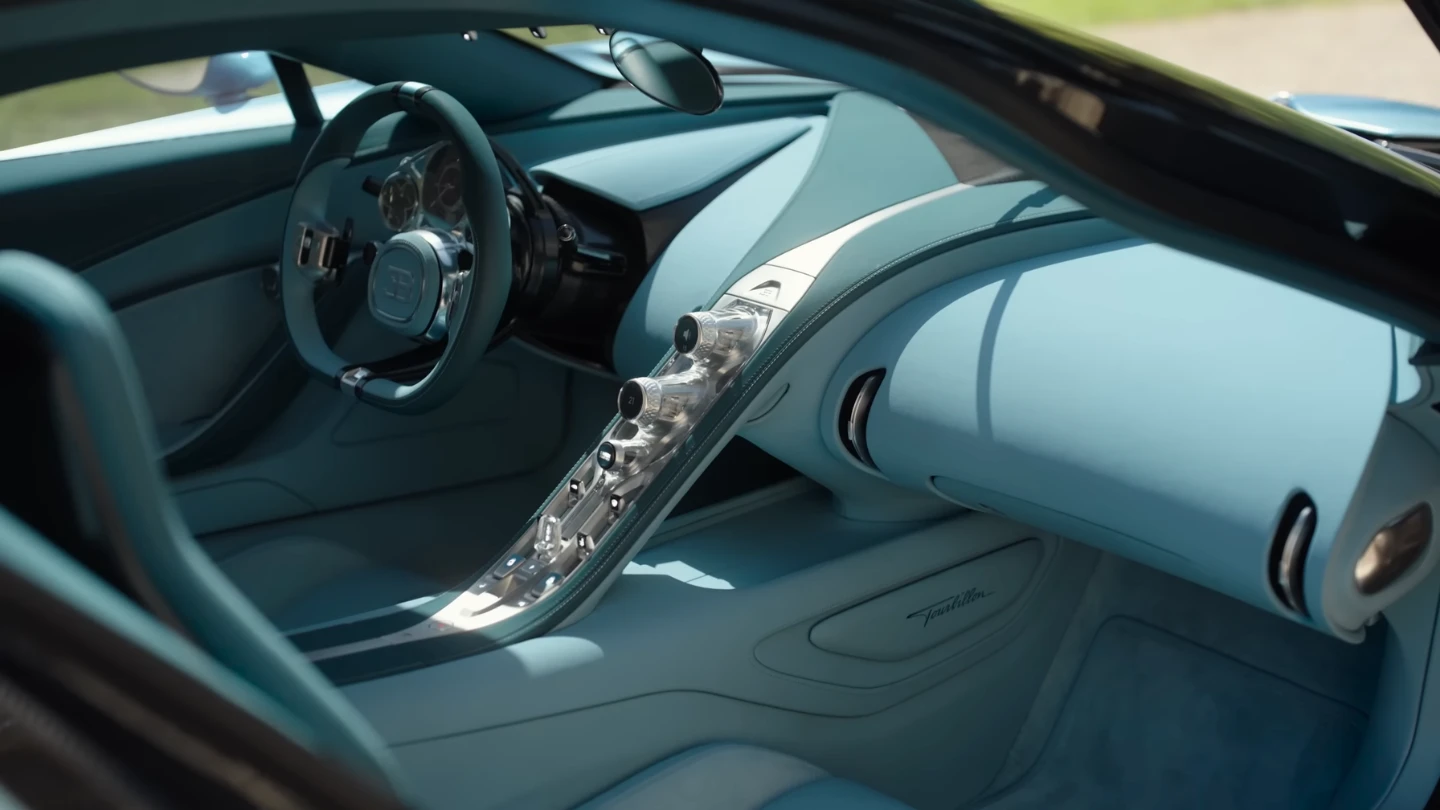
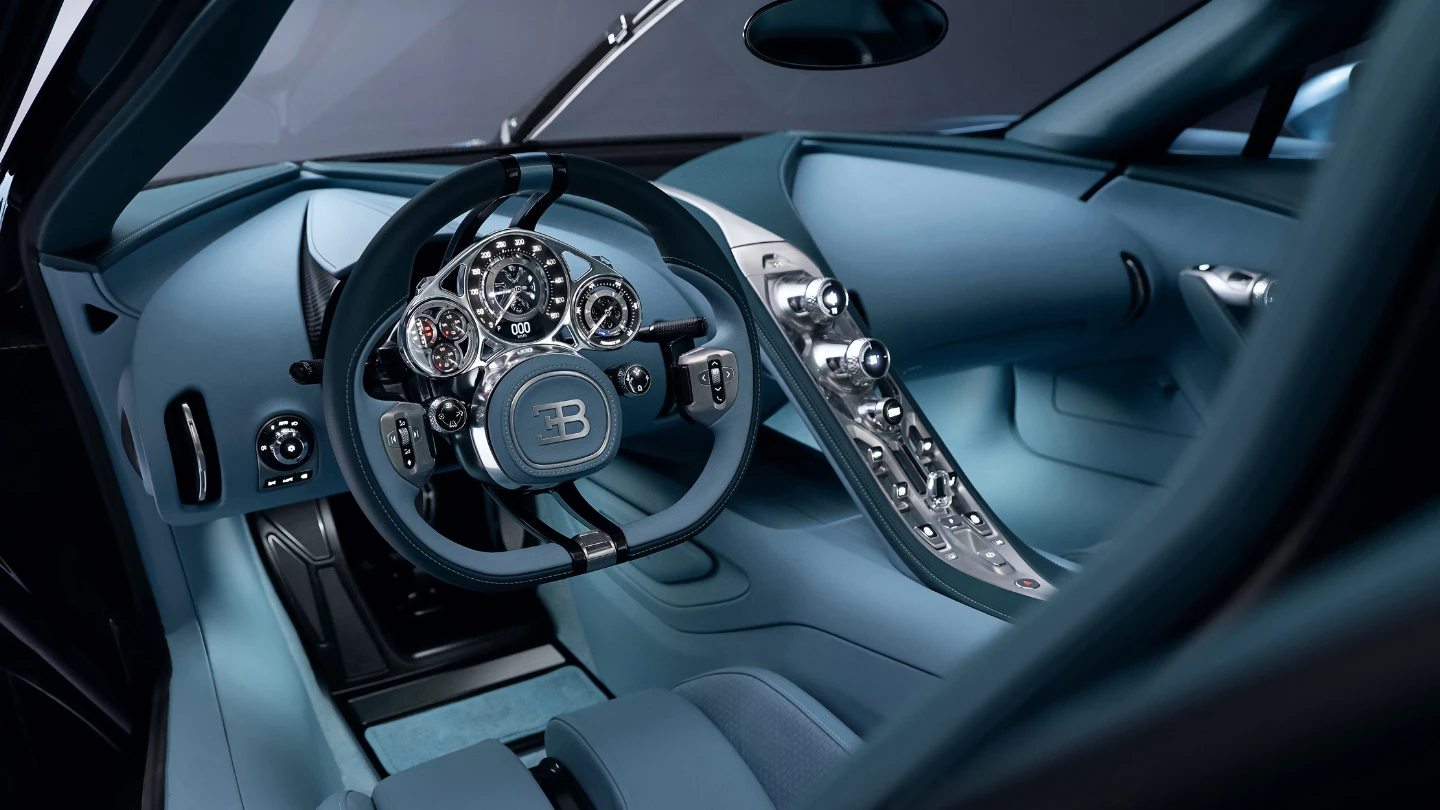
Analog instrument cluster in Bugatti Tourbillon made by Swiss watch makers
He compared exotic cars with Swiss watches and said only about 5% of watches come from Switzerland, yet those products generate about 90 per cent of the industry’s profits.
An Apple Watch can perform far more functions than a traditional mechanical watch, but Rimac argued that buyers would never spend $200,000 on a smartwatch.
His argument centres on the same principle for supercars: once performance becomes widely accessible, buyers will place greater value on craftsmanship, individuality and mechanical character.
An electric-car pioneer now backs combustion
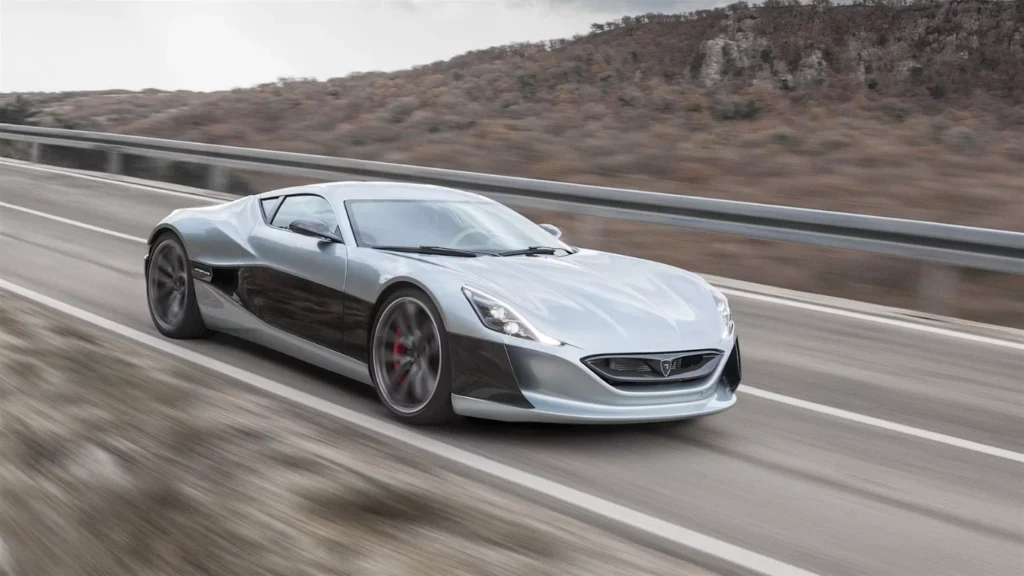
Rimac’s position carries an obvious contradiction as he founded electric-only hypercar company Rimac Automobili in 2009 and its first production model, the Rimac Concept One, ranked among the world’s fastest EVs at the time.
The Croatian company followed it with the C_Two concept in 2018, which became the production Rimac Nevera.
The Nevera went on to establish several EV performance records, including a 412km/h production-EV top-speed record. Yet the executive now sees a long future for combustion engines at the very top of the market.
Also read: 2027 Mercedes-Maybach S-Class pre-orders open in Australia
Bugatti will keep its combustion engine
“It’s kind of ironic that I’m now making the world’s biggest combustion engine,” Rimac said.
Rimac Automobili operates under the Bugatti Rimac joint venture to shape the future of both luxury brands.
Rimac Automobili and Porsche formed the Bugatti Rimac joint venture in 2021. It brought the electric hypercar specialist together with Bugatti, a brand famous for some of the world’s fastest combustion-powered cars.
The Bugatti Veyron arrived in 2005 and spawned the Super Sport, which reached 431km/h in 2010. The Chiron followed in 2016, with the Chiron Super Sport 300+ reaching 490.484km/h in 2019.
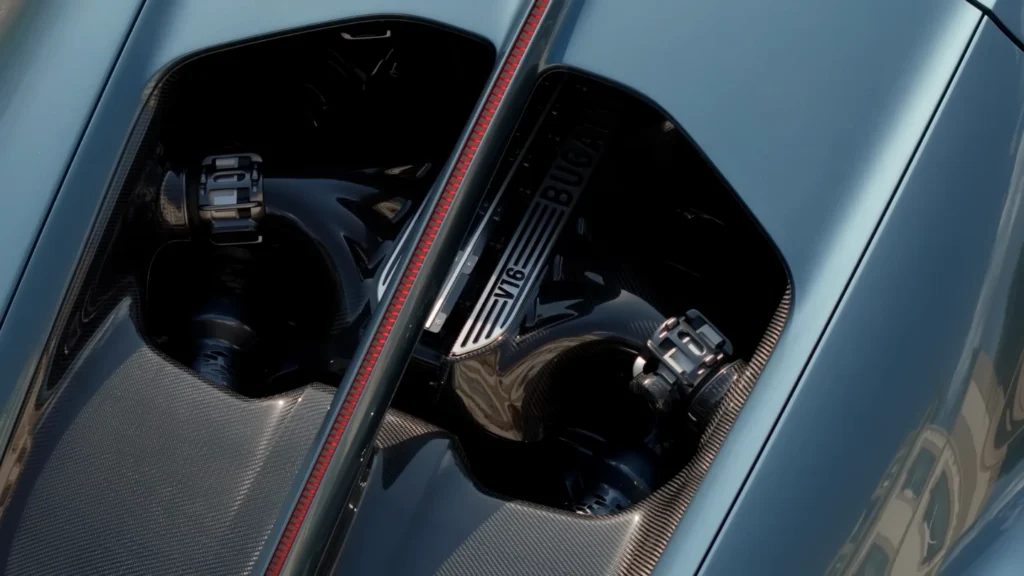
Bugatti has no plans to replace the Chiron with a battery-electric model, and the Chiron successor, the Tourbillon, combines combustion power with electrification instead. Its 8.3-litre V16 petrol engine produces 746kW and 900Nm, while 3 motors add another 597kW, taking the total system output to 1343kW.
Rimac also highlighted the unusual contrast at the company’s Croatian facility, where the world’s most powerful electric car and the world’s biggest combustion engine are built on the same production line.
Ferrari shows buyers still want ultra-expensive EVs
Rimac’s comments come only months after Ferrari launched its first EV, the Luce. The electric Ferrari attracted significant criticism on social media, yet its first production example sold at a US auction earlier this month for US$40 million (A$55.86million).
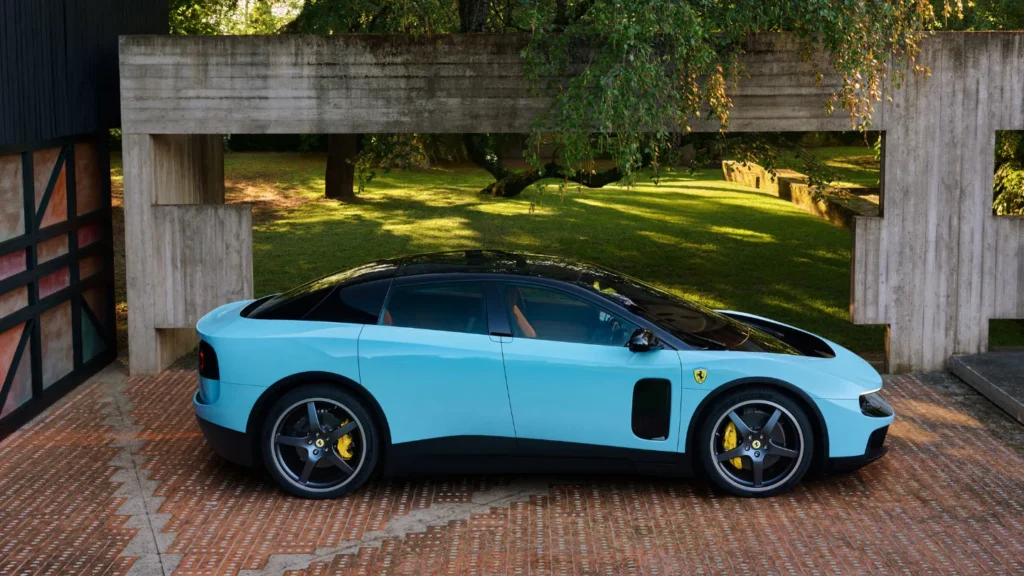
Ferrari Australasia has also confirmed that its Luce factory allocation for Australia and New Zealand has sold out, but the president, Michele Comelli, has not disclosed the number of units.
Ferrari sold 13,640 vehicles globally in 2025, and Bugatti built no more than 250 Tourbillons, with prices starting at €3.8 million (A$6.16 million) before taxes.
Rimac plans to keep annual Bugatti production below what he described as “low three-digit numbers”. Rimac Automobili itself operates at similarly tiny volumes.
The company had delivered just over 50 Neveras by May 2024 from a planned production run of up to 150 cars, and it produced only 8 Concept One road cars.
Buyers want cars that tell their story
For Rimac, exclusivity goes beyond engine type. He said wealthy customers increasingly want cars with bespoke specifications and personalisation.
“For these clients, they want something that’s really theirs, that’s connected with them,” he said. “It tells their story, their personality, their preferences, not just like a car.”
Rimac pointed to Chinese vehicles that can deliver performance exceeding that of many performance cars from a decade ago for around $50,000. For Rimac, the appeal will increasingly come from human craftsmanship, ingenuity, art and beauty rather than simply producing the fastest car.
Luxury manufacturers already pursue this approach. Porsche operates its Sonderwunsch special-request department, Maserati offers Fuoriserie customisation, while Mercedes-Benz provides Manufaktur options.
Rimac wants to push that idea even further – “What I want to do is make the world’s best cars, the most exciting cars in the world, and have the world’s most profitable car company on a percentage basis.”
Apart from making ultra-luxury racing cars, Rimac is also in the business of engineering high-performance battery packs and EV drivetrains for major global car brands like Porsche, Aston Martin, and Koenigsegg, under its sister division, Rimac Technology.

Comments
New Comment