




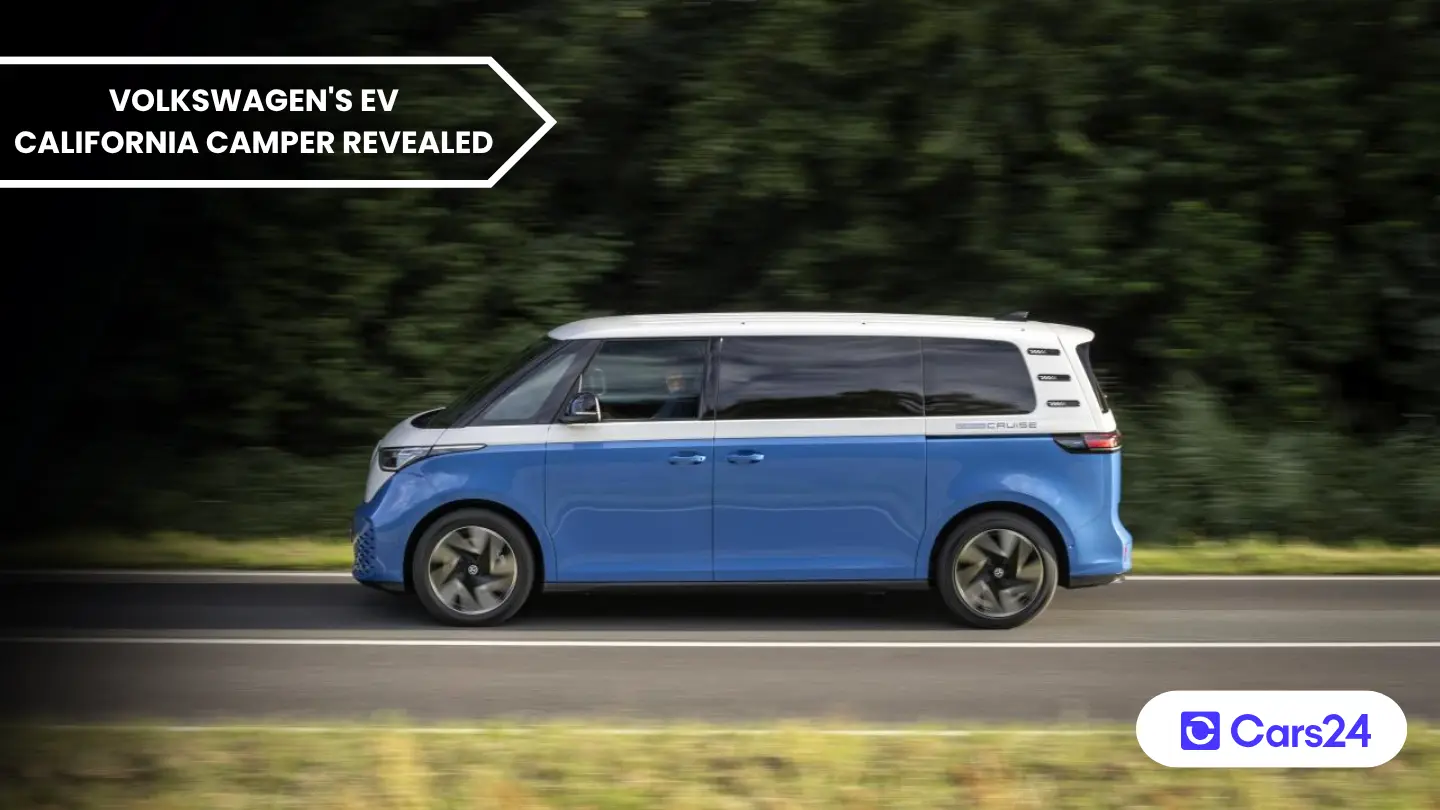
Volkswagen just gave its cult-favourite California camper the electric treatment, and the result is the new ID. California Cruise, an all-electric camper built on the ID. Buzz platform.
The van made its debut at the 2026 Caravan Salon in Germany, where Volkswagen confirmed pricing from around €60,800 in its home market and about $98,450 in Australia. Europeans can expect the first deliveries in early 2027. Australians, as usual, will have to wait and see.
Read more: Volkswagen Golf and T-Roc hybrids get 125kW
More than just an ID. Buzz with a bed in it
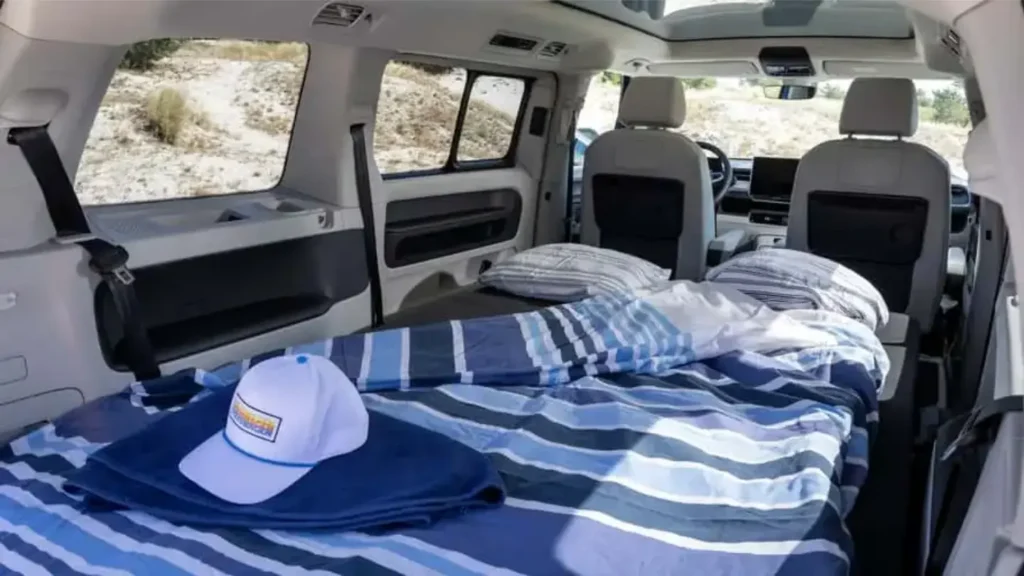
It’d be easy to assume the California Cruise is just an ID. Buzz with some camping gear bolted on, but Volkswagen’s done more work than that. There’s a proper sleeping area for two, a dedicated camping mode, independent climate control, and vehicle-to-load (V2L) power, basically, everything you’d want from a camper that happens to run on batteries instead of diesel.
Given VW Australia already sells the ID. Buzz here, there’s a genuine local pathway for this thing if the brand decides to pull the trigger.
Built for two, with all the extras
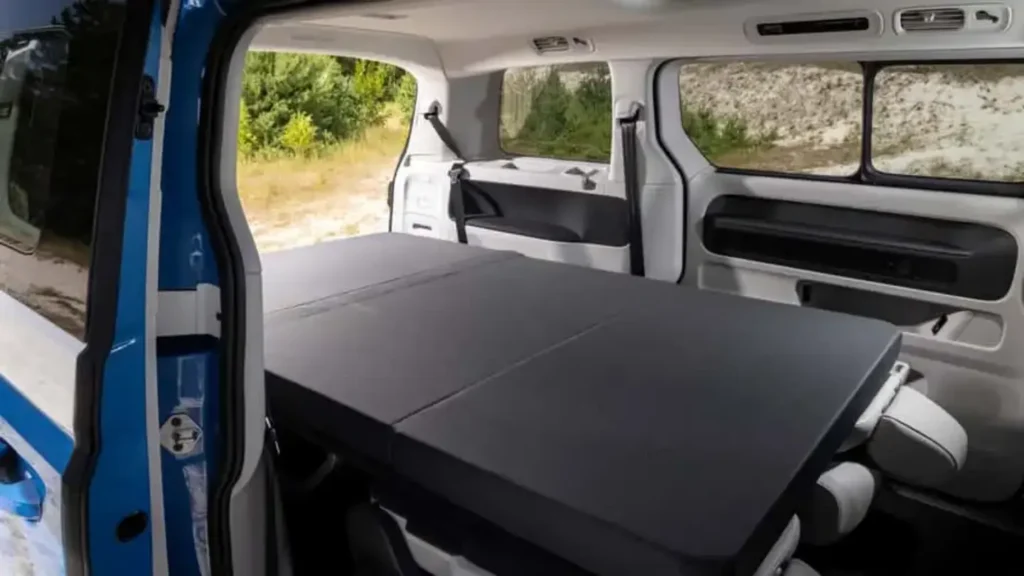
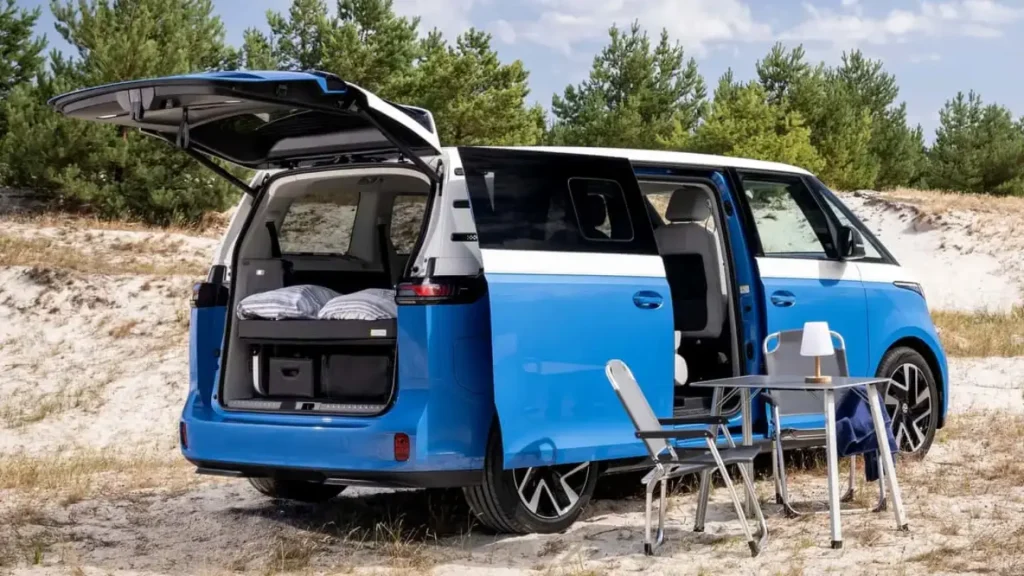
The sleeping setup is sized at roughly 203cm by 119cm, sitting on a dedicated support structure with a 9cm mattress. Not exactly a five-star hotel, but enough for a proper night’s sleep. Volkswagen has also thrown in the small stuff that makes camping trips easier like, window ventilation grilles, blackout shades, two camping chairs, a table, extra storage, and if you spring for the panoramic glass roof, a roof shade to go with it. Outside, you get the usual California styling cues: Cruise graphics, California badging, the works.
A camping mode that actually does something
The standout feature is arguably the new California mode, which takes over lighting and comfort functions while the van’s parked. It’ll keep your USB ports alive and manage the cabin temperature overnight, VW reckons the climate system can hold a comfortable temperature for up to 48 hours, depending on battery charge and how extreme the temperature swing is outside.
That’s a genuinely handy feature for Australian conditions, where a campsite can go from stinking hot afternoon to freezing night in a matter of hours.
Your camper as a power bank
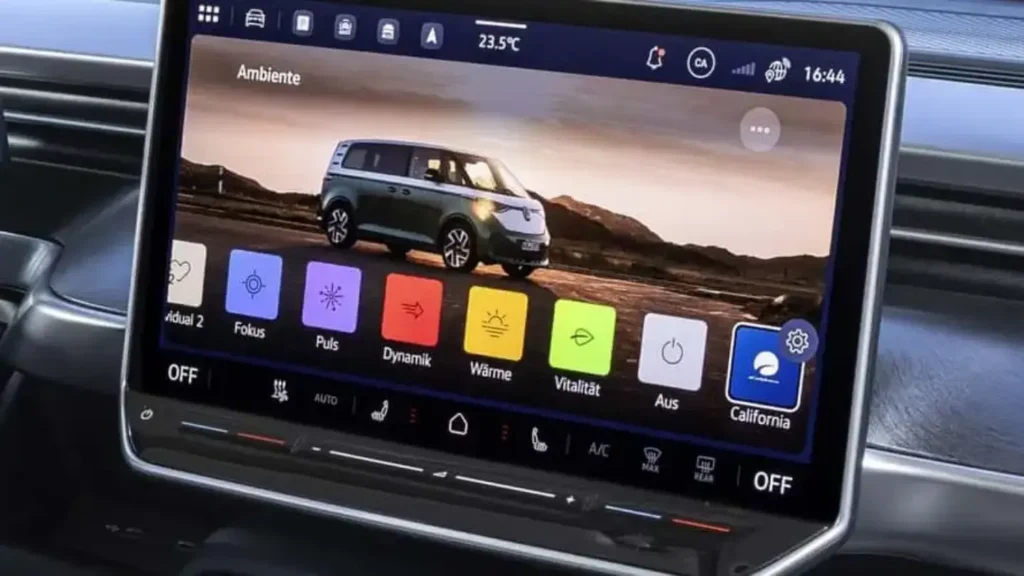
Then there’s V2L (vehicle-to-load) which lets the van’s battery run your gear directly. Think coffee machines, hot plates, portable fridges, camping lights, e-bike chargers, even a mobile workstation if you’re the type who can’t fully switch off. It turns the whole van into a mobile power source, which matters a lot if you’re not always camping at a powered site.
Charging sorted through the app
VW has updated its California App for the EV version too, with route planning that shows compatible charging stations along the way, plus Plug & Charge so the van auto-recognises itself at compatible public chargers. Handy in Europe, though anyone eyeing this for a trip through regional or remote Australia will still want to think hard about charging infrastructure before they commit.
So, is the Volkswagen ID. California Cruise coming to Australia?
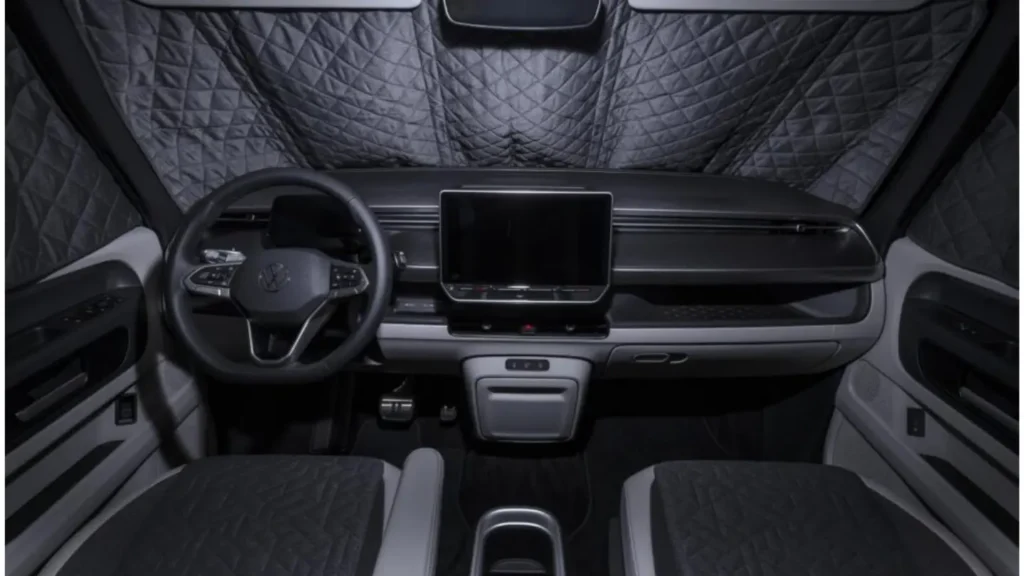
There’s no confirmation from Volkswagen Australia that the ID. California Cruise is coming here yet. But with the ID. Buzz already on sale locally, the groundwork’s there. If it does land, the California Cruise would be entering a small but growing electric camper market, and its combination of proper VW design, real sleeping quarters and battery-powered camping kit could give it a genuine edge over a converted van.
For now, Volkswagen’s treating this as the first of a new electric camper family, with more models planned through to 2028 and European deliveries kicking off in early 2027.

Comments
New Comment