




Key highlights:
- Volvo EX60 Australian deliveries delayed until second half of 2027
- Production issues involve electric motors and battery installation
- Delays could affect buyers’ access to the full FBT exemption
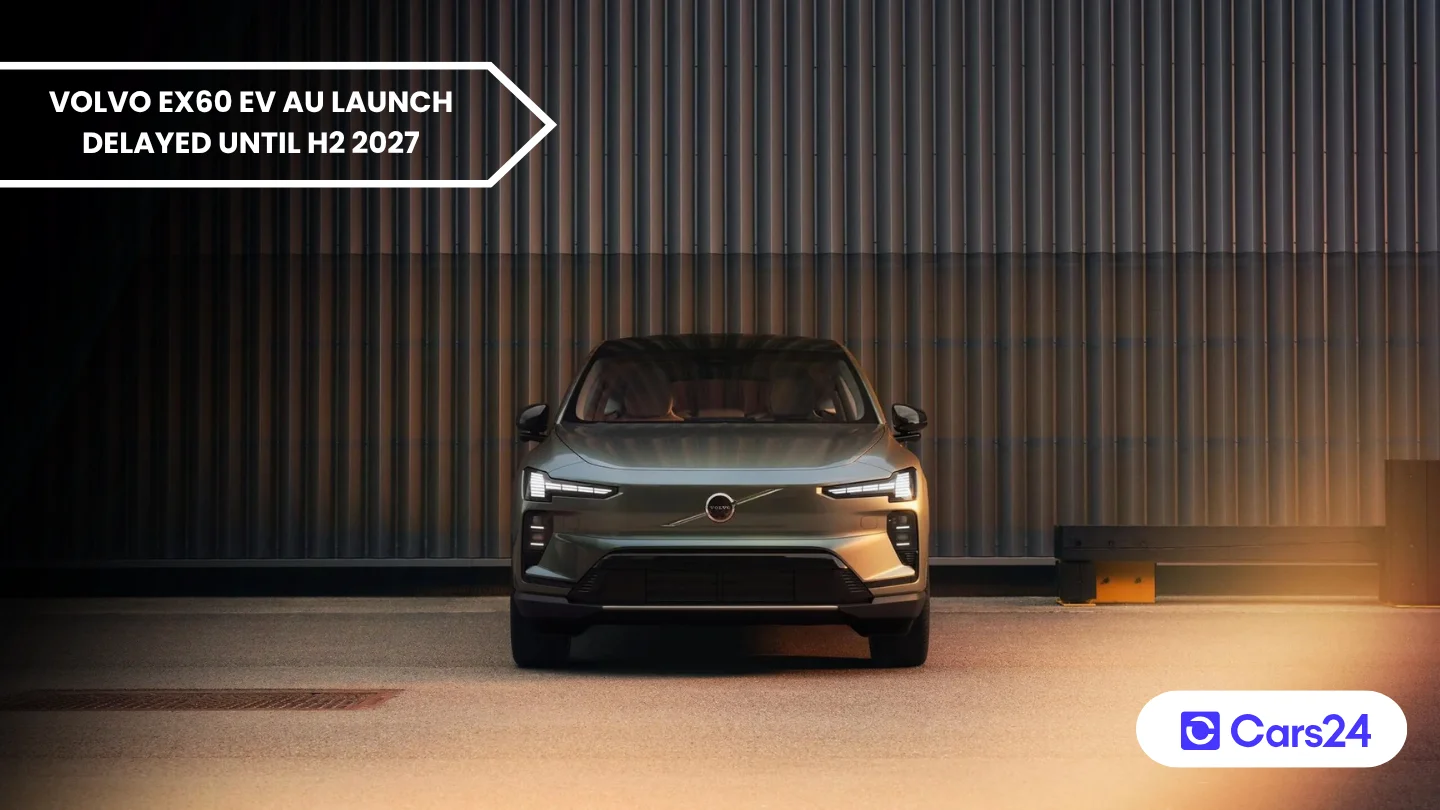
Australian buyers will have to wait longer for the Volvo EX60 electric SUV, with local deliveries pushed back by around six to nine months to the second half of 2027. Expected by late 2026 or early 2027 here, Volvo has struggled to ramp up production of its new EV, forcing the Swedish brand to prioritise European customers.
The delay affects all three EX60 variants and could also cost some buyers access to the FBT tax benefit. The first launch variant, P10, is now expected around August or September 2027, with the cheaper P6 and flagship P12 pushing deeper into late 2027.
Volvo EX60 Australia launch: New delivery timeline
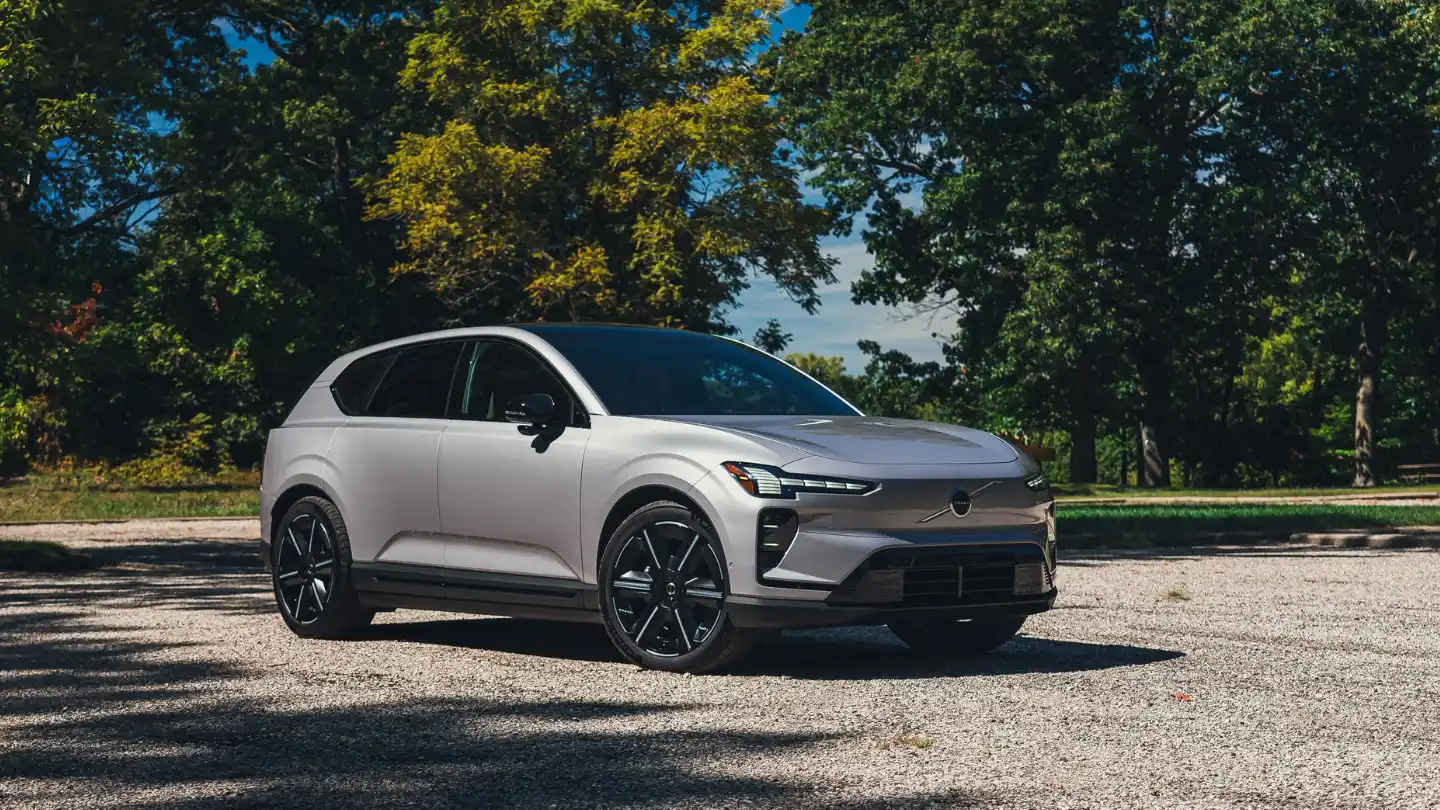
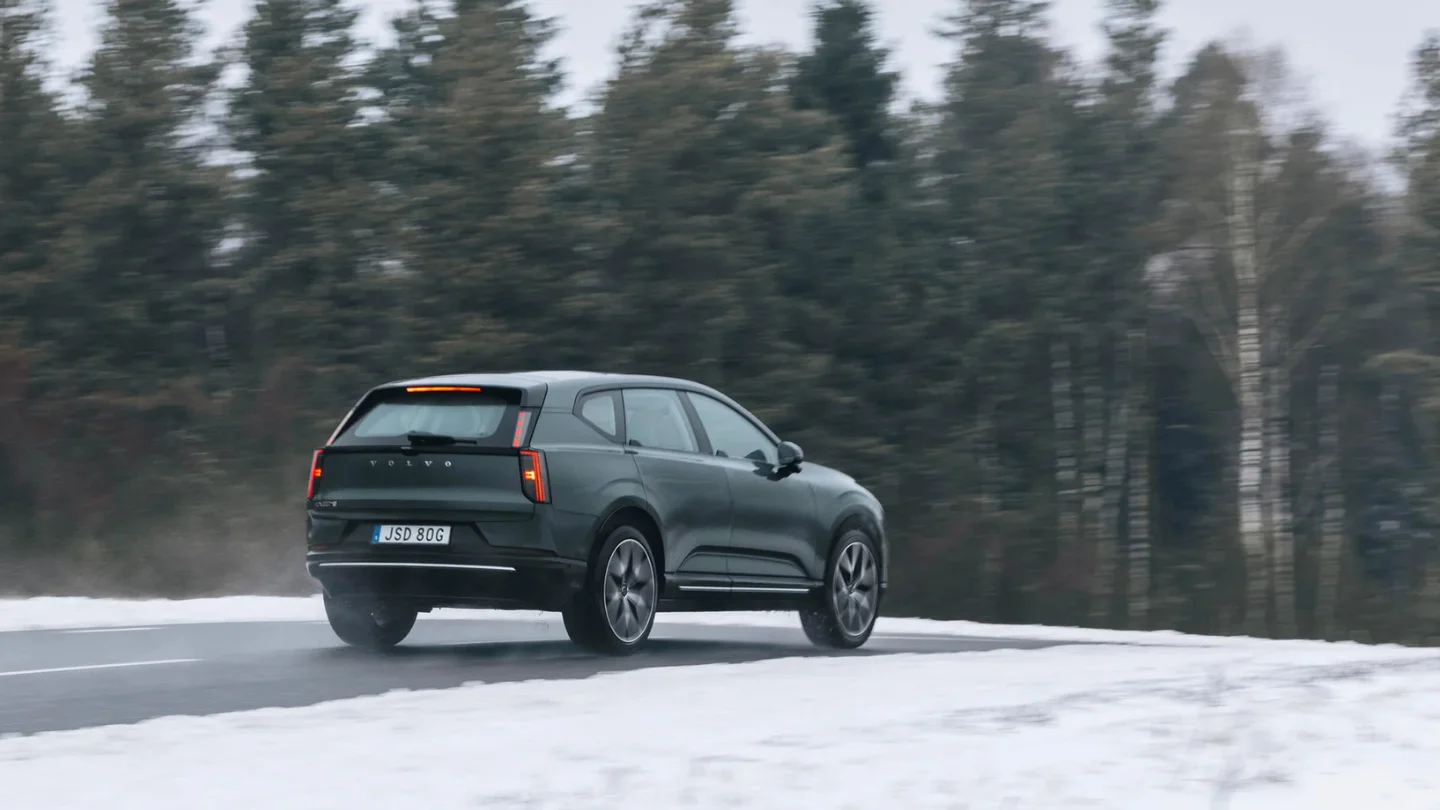
Volvo has received more than 50,000 international orders for the mid-size electric SUV, but the company has built only around 5000 examples since production began in April 2026. Production difficulties involving the electric motors and battery installation process have slowed the rollout.
Strong European demand has added pressure, prompting Volvo to prioritise deliveries in its home region and push the US and Australian markets further down the queue.
| Launch milestone | Previous timing | Revised timing |
|---|---|---|
| First P10 customer deliveries | Early 2027, following initial arrivals in late 2026 | Second half of 2027 |
| Australian production | Earlier production allocation | MY28, expected Jun–Jul 2027 |
| First showroom arrivals | Early 2027 | Potentially Aug–Sep 2027 |
For Australia, Volvo has moved production to Model Year 2028 (MY28), and based on previous production schedules, MY28 manufacturing could begin around June or July 2027.
The first vehicles could then reach Australian showrooms in August or September 2027, although Volvo has not confirmed an exact arrival date.
The P10 Ultra, which will launch the Australian range, faces a delay of around 6 months from its original customer-delivery schedule. The cheaper P6 and longer-range P12 variants have also been pushed back. Volvo had previously planned to introduce these versions a few months after the P10 during 2027, but their revised arrival dates remain unconfirmed.
EX60 delay could affect the FBT exemption
The revised delivery schedule could create a financial headache for customers planning to buy the EX60 P6 through a novated lease. From 1 April 2027, eligible electric vehicles priced between $75,000 and the Luxury Car Tax (LCT) threshold of $91,661 will lose their full Fringe Benefits Tax (FBT) exemption.
Instead, these vehicles will receive a 25% FBT discount, down from the previous 100% rebate.
The policy requires a vehicle to be “first held and used” before the relevant date to qualify for the existing exemption. This means customers who order an EX60 before the deadline but receive and first use it after 1 April 2027 may miss out on the full FBT exemption.
The timing is particularly important for the P6 Ultra, which opened for orders at $86,990 plus on-road costs, as its price falls within the affected range.
Also read: Volvo EX40 successor tipped for a new electric SPA3 platform
Why is Volvo struggling to build the EX60?
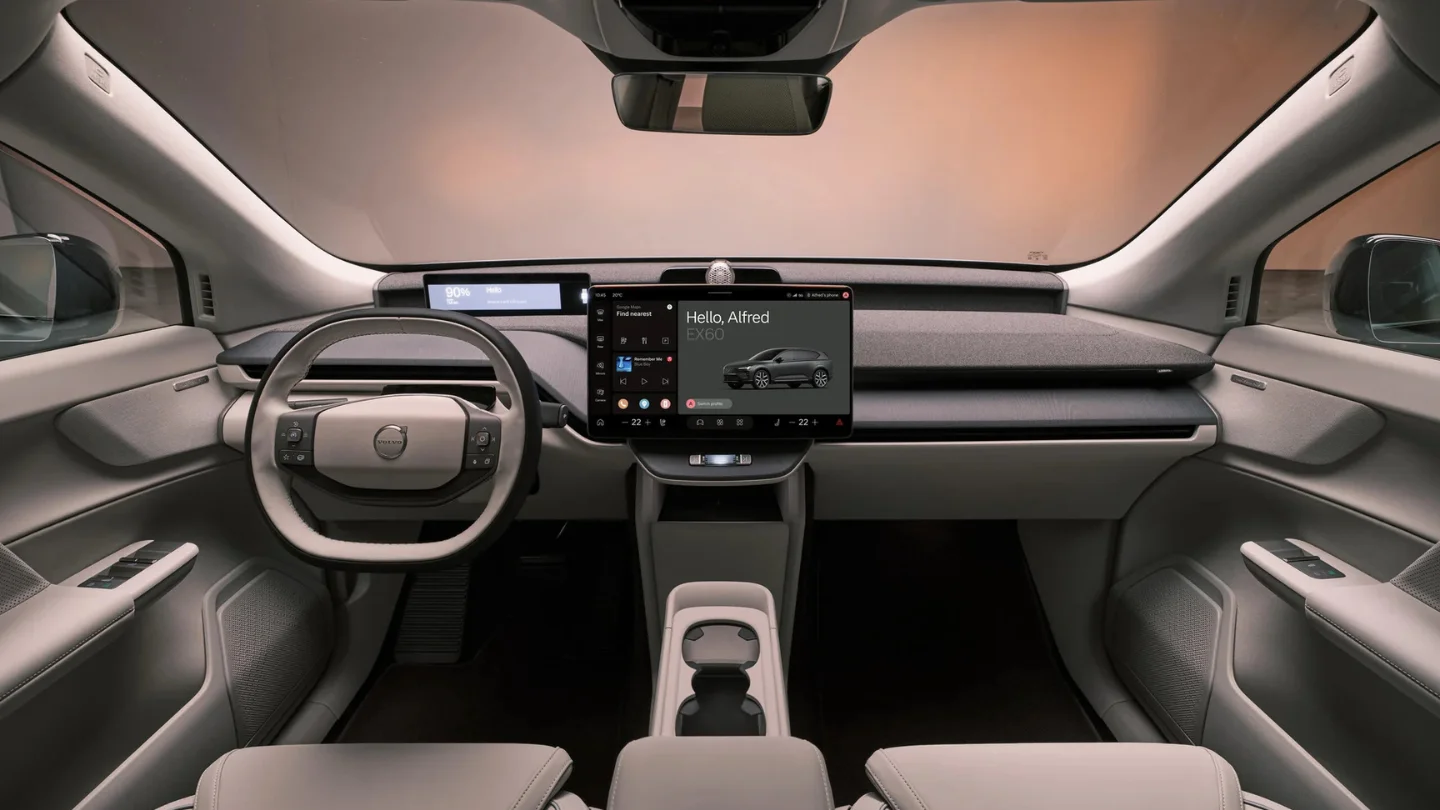
The production delay comes from the challenges of manufacturing the EX60’s new electric motors and installing its battery cells into the vehicle’s structure. Insiders told Automotive News that Volvo has encountered difficulties with both processes, particularly the installation of battery cells into the SUV’s megacast structure.
Volvo CEO Hakan Samuelsson acknowledged the production challenges in comments reported by the UK’s Autocar. He said introducing class-leading new technology carries greater implementation risks than continuing with more conventional systems.
Samuelsson also clarified that the megacasting process itself has not caused problems, and the bigger challenge lies in installing the battery directly into the vehicle’s underbody. Volvo uses a highly automated process for this job, creating what Samuelsson described as a highly complex mechanical assembly line.
He admitted the company may have been too optimistic about its production ramp-up but said Volvo was making improvements.
Volvo EX60 powertrain and performance comparison
The new EV serves as the all-electric replacement for the best-selling Volvo XC60 and is built on the company’s all-new SPA3 EV platform. All three variants of the EX60 offer different battery capacities, power outputs and driving ranges. The P6 Ultra uses a single rear-mounted electric motor, while the P10 and P12 employ dual-motor all-wheel-drive systems.
| Specification | P6 Ultra | P10 Ultra | P12 |
|---|---|---|---|
| Drive type | RWD | AWD | AWD |
| Battery | 80kWh | 91kWh | 112kWh |
| Power | 275kW | 375kW | 500kW |
| Torque | 480Nm | 710Nm | 790Nm |
| WLTP range | 610km | 660km | 810km |
The EX60 P10 Ultra’s $101,990 starting price puts it below the comparable BMW iX3 50 xDrive, which costs $112,500, but BMW claims a longer WLTP driving range.

| Specification | Volvo EX60 P10 Ultra | BMW iX3 50 xDrive |
|---|---|---|
| Price | $101,990 | $112,500 |
| Battery | 91kWh | Not specified in supplied information |
| EV range (WLTP) | 660km | 805km |
| Power | 375kW | Not specified in supplied information |
| Torque | 710Nm | Not specified in supplied information |
| Drivetrain | AWD | AWD |
The Volvo undercuts the BMW on price, but its claimed driving range falls 145km short.
Volvo EX60 Australia: Price and variant details
Volvo opened Australian orders for the EX60 in May 2026, with two variants initially priced and a third flagship version expected later.
| Variant | Price (before on-road costs) |
|---|---|
| EX60 P6 Ultra RWD | $86,990 |
| EX60 P10 Ultra AWD | $101,990 |
| EX60 P12 AWD | To be confirmed |
The P10 Ultra will lead the Australian launch, while the P6 Ultra will serve as the cheaper entry point, and Volvo expects the P12 to join the range later.


Comments
New Comment