





A delayed oil change might cost a few hundred dollars today. Ignore it for months, however, and you could be facing an engine repair bill worth thousands. The same applies to worn brake pads, damaged tyres, an overheating engine, or a failing battery.
When money is tight, it’s natural to prioritise the repairs that seem urgent and postpone the ones that don’t. The challenge is knowing the difference between a minor issue and a problem that could leave you stranded or facing a repair bill worth thousands.
In this guide, we’ll separate the maintenance tasks and repairs that can be safely scheduled from those that demand immediate attention. This will help you protect your budget, keep your car roadworthy, and avoid huge repair costs.
What happens if you don’t service or repair your car on time?
Delaying or skipping your car’s service or repair triggers a domino effect of financial, legal, and safety consequences. Here are the negative impacts on your car:
1. Bigger repair bills
Many expensive breakdowns start as relatively small problems. A neglected oil change, worn brake pads, or a minor coolant leak can quickly escalate into repairs costing thousands of dollars.
2. Safety risks
Critical components such as brakes, tyres, steering, and suspension wear gradually over time. Ignoring warning signs can increase stopping distances, reduce vehicle control, and raise the risk of accidents.
3. Warranty implications
Missing scheduled servicing may not automatically void your vehicle warranty, but manufacturers can reject warranty claims if a lack of maintenance contributed to the fault.
4. Insurance claims denied
Claims can be denied if defects such as bald tyres, worn brakes, or faulty steering contributed to an accident.
5. Degrading resale value
A complete stamped service history helps preserve value, while missing records can significantly reduce buyer confidence and sale price.
6. Legal and roadworthiness issues
Defects like oil leaks, cracked windscreens, faulty lights, or worn tyres can lead to defect notices, fines, demerit points, and possible Rego suspension.
Readers also asked: What to do when the check engine light comes on?
Car repairs you should not delay (petrol/diesel cars)
Certain car repairs carry zero margin for safety or financial error, such as red dashboard warning lights. Delaying them can cause accidents or catastrophic mechanical failures that cost thousands of dollars to fix.
| Component | Warning signs | Maximum safe delay |
|---|---|---|
| 1. Brake pads and rotors | Squealing, grinding metallic noises, a soft/spongy brake pedal, the car pulling to one side when braking | A few days |
| 2. Timing belt | High-pitched ticking noise from the front of the engine, or the engine misfiring/rough idling | Zero delay (high risk) |
| 3. Drive belt | Loud, high-pitched squealing noise from the engine bay when starting the car or turning the steering wheel | A few days |
| 4. Cooling system (Radiator/hose) | Temperature gauge climbing into the red zone, steam rising from under the bonnet, or bright green/pink fluid leaking underneath | Zero delay |
| 5. Tyres | Tread depth <1.5mm legal limit, visible cracks in the sidewall, or bulging spots | Zero delay for bulges/deep cracks |
| 6. Engine oil | Low oil pressure dashboard warning light, heavy metallic knocking sounds, or thick black exhaust smoke | Zero delay |
| 7. Suspension and steering | Loud clunking sounds over speed bumps, severe steering wheel vibration, or the car wandering across the lane | A few days |
| 8. Alternator and battery | Battery warning light, dimming headlights, or a slow engine crank when starting | 1-2 days |
| 9. Fuel system (lines/injectors) | Strong smell of raw petrol/diesel inside or outside the car, visible puddles under the rear/middle chassis, a sudden drop in fuel range | Zero delay |
| 10. Transmission | Gears slipping, harsh shuddering during gear changes, delayed acceleration, or a bright red/brown fluid leak under the middle of the car | 1 to 2 days |
| 11. Wheel bearings | A loud, low-pitched humming, growling, or roaring noise that gets louder as the vehicle accelerates, or a steering wheel that feels loose | A few days (with low speed driving) |
| 12. Exhaust system | Loud roaring or hissing noises from under the car, a “rotten egg” or sulphur smell, or dark grey smoke | A few days |
| 13. Windscreen wipers and washers | Heavy smearing or skipping across the glass, torn rubber blades, or a failed washer pump fluid spray | Zero delay (in the rain) |
Readers also asked: What are the signs of engine problems in a car?
Car maintenance you should not delay (petrol/diesel cars)
Unlike unexpected repairs, routine maintenance works quietly in the background to keep your car reliable and safe. While service intervals vary between manufacturers, delaying basic maintenance can increase wear, reduce fuel efficiency, and lead to expensive repairs down the track.
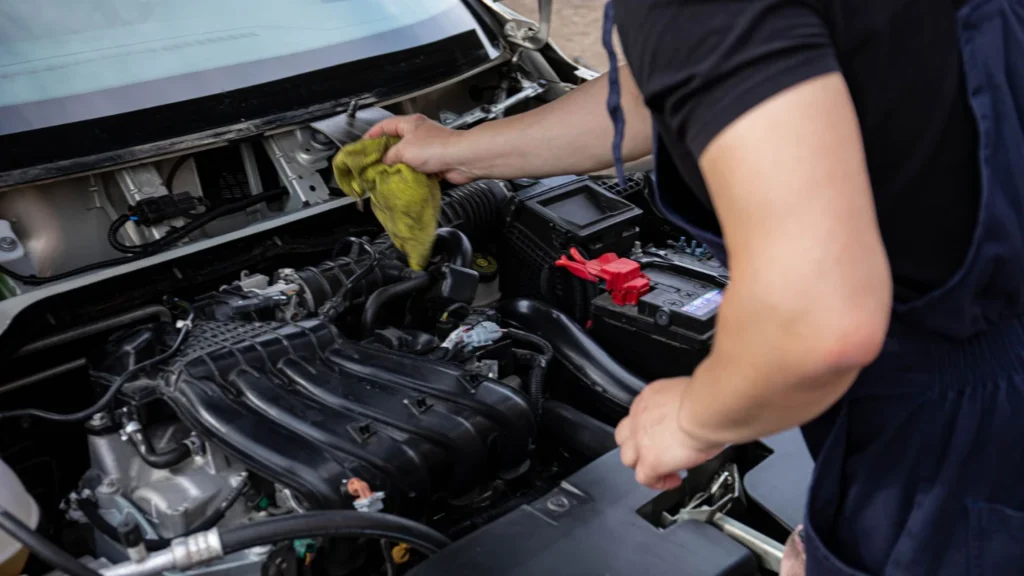
Some of the most important maintenance tasks include:
- Engine oil and filter changes
- Brake fluid replacement
- Engine coolant servicing
- Tyre rotation and wheel alignment
- Cabin and engine air filter replacement
- Spark plug replacement
- Transmission fluid servicing
- Differential fluid servicing (where applicable)
- Power steering fluid replacement (for hydraulic systems)
- Battery inspections and terminal cleaning
As a general rule, try not to exceed your vehicle’s recommended service interval by more than around one month or 1,000km. Always refer to your owner’s manual, as maintenance schedules vary between manufacturers and driving conditions.
Readers also asked: What are some engine maintenance tips to keep my car running well?
Car repairs you should not delay (EVs/PHEVs)
Electric vehicles (EVs) and plug-in hybrid electric vehicles (PHEVs) feature highly specific electrical and mechanical systems. When their components fail, they often trigger immediate vehicle shutdowns, heavy safety risks, or severe damage to incredibly expensive battery infrastructure.
| Component | Warning signs | Maximum safe delay |
|---|---|---|
| 1. 12V auxiliary battery | Delayed screen boot-up, random error lights, or a completely dead car despite full main battery | 1-2 days |
| 2. Main battery cooling and fluid loops | “Battery Overheating” dash warning, loud fan noises from underneath under moderate loads, or a puddle of blue/pink coolant under the centre tray | Zero delay |
| 3. Regenerative braking/rotor corrosion | Rough grinding sounds, reduced braking efficiency, or a “Regen Failure” warning light | A few days |
| 4. Underbody protection skids (battery armour) | Scraping sounds, visible tears or hanging plastic/metal shields underneath the car | Zero delay (for deep gashes) |
| 5. PHEV stale fuel system | “Fuel Refresh Mode” warning light or message; rough engine starting | A few days |
| 6. EV-specific high-load tyres | Rapid inner-edge tread wear, shallow tread depth (<1.5mm), or low-frequency thumping noises | Zero delay |
Car maintenance you should not delay (EVs/PHEVs)
While EVs generally require less routine maintenance than petrol or diesel vehicles, they still need regular inspections and servicing. Ignoring key maintenance items can reduce battery performance, affect driving range, or result in unexpected breakdowns.
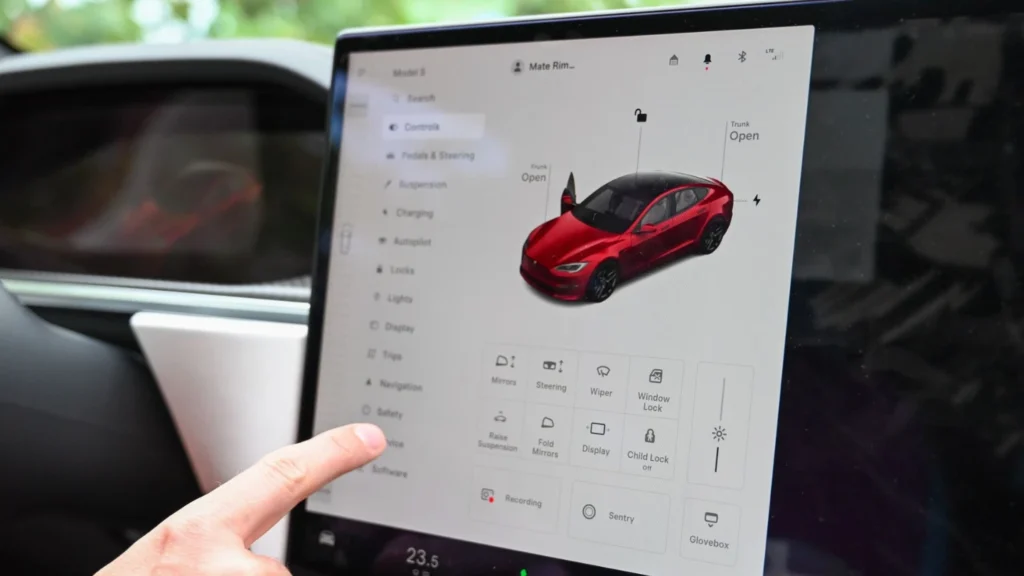
EV and PHEV owners should pay particular attention to:
- Battery cooling systems
- Charging ports and charging hardware
- Brake components, which can corrode due to reduced use
- Tyres, which often wear faster because of the vehicle’s weight and instant torque
- 12V auxiliary batteries
- Software and system updates
- Engine oil and filter servicing in PHEVs
Most EV manufacturers provide specific maintenance schedules for battery cooling systems, braking components, and drivetrain fluids. Following the owner’s manual remains the best way to maximise battery health, driving range, and long-term reliability.
Bottom line
Cars rarely fail without warning. Most expensive breakdowns start as small, manageable issues: a squeaky brake pad, a low oil warning, a worn tyre, or a delayed service. The real cost isn’t the car repair or service itself; it’s what happens when you ignore and delay it.
The same principle applies to new energy vehicles (NEVs), where overlooking battery cooling systems or a weak 12V battery can quickly turn into major expenses.
As a rule, never delay anything that affects safety, cooling, braking, steering, tyres, or warning lights. Stay ahead of problems by keeping good service records.
FAQs about essential car repairs and maintenance
1. Is it bad if you don’t service your car on time?
Yes. Delaying scheduled servicing can accelerate wear, reduce reliability, affect warranty claims, and lead to more expensive repairs later.
2. How long can you delay a car service?
As a general rule, try not to exceed the recommended service interval by more than around one month or 1,000km. Always refer to your owner’s manual, as service schedules vary by manufacturer.
3. What is the silent killer in cars?
Low engine oil is often considered a silent killer because serious engine damage can occur before obvious symptoms appear. Ignoring oil warnings can result in catastrophic engine failure.
4. Which car repairs should be fixed immediately?
Brake problems, tyre damage, steering faults, cooling system issues, fuel leaks, overheating, and engine oil warning lights should be addressed immediately.
5. What are the signs of engine problems in a car?
Common warning signs include unusual knocking noises, excessive exhaust smoke, overheating, rough idling, reduced performance, and illuminated engine warning lights.

Comments
New Comment