




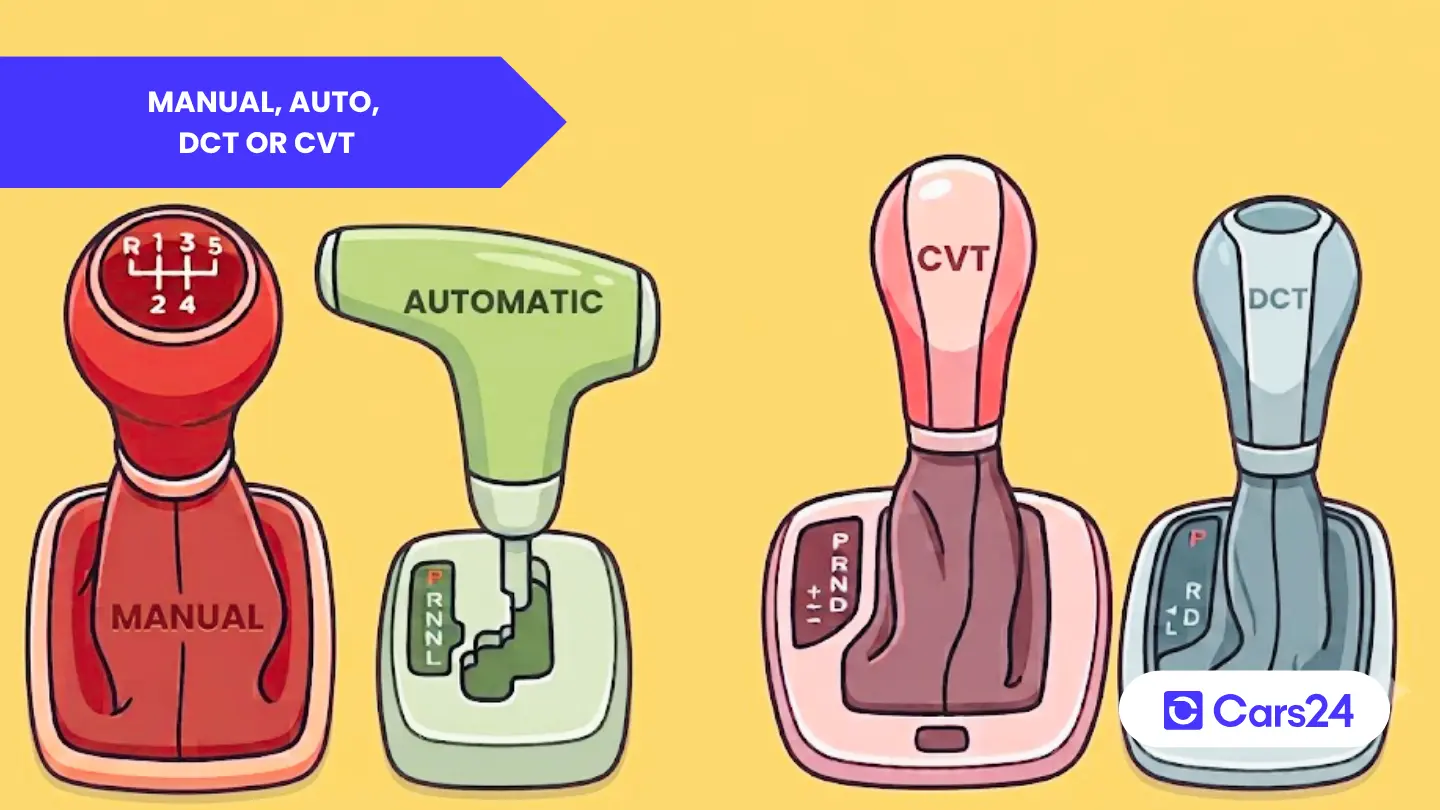
“Automatic” used to mean one thing. Not anymore. Today it could be a torque converter, a dual-clutch or a CVT, and each one drives, wears and costs differently. Add the good old manual and you’ve got four very different cars hiding behind two simple words. If you’re shopping used, that’s worth knowing before you shake hands on a deal.
This guide cuts through the jargon so you can spot the right transmission for your commute, your budget and your driving style, and avoid the ones that’ll test your patience (or your wallet).
Read more: What Australia’s new car emissions rules mean for buyers
The four transmission types at a glance
| Transmission | How it works | Great for | Think twice if |
| Manual | You press the clutch and select gears yourself | Driver involvement, lower purchase prices | You sit in stop-start traffic daily |
| Torque converter auto | A fluid coupling replaces the clutch | Towing, 4WDs, daily commuting | You want the cheapest possible repair bills |
| Dual-clutch (DCT) | Two clutches pre-select gears for fast shifts | Spirited driving, open-road efficiency | Your commute is mostly crawling traffic |
| CVT | A belt or chain and variable-width pulleys continuously adjust the drive ratio | Fuel economy, smooth cruising | You plan to modify the car |
Manual transmission
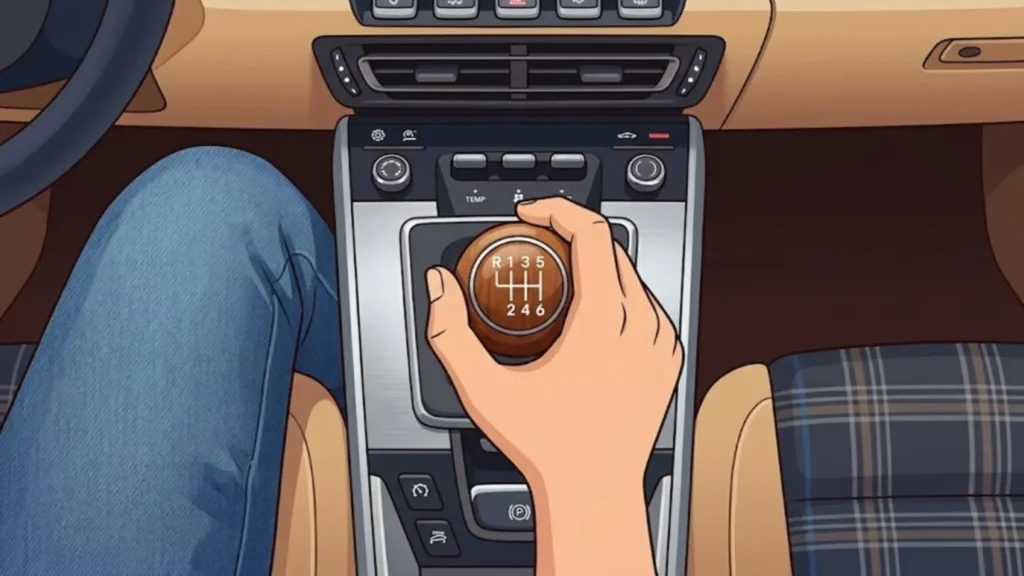
The manual transmission gearbox allows you to take control. It is you who chooses when you will change gears, how you will maintain a certain gear on an incline, and how you will make your exit from a turn.
Why buyers like it
- Manual versions can cost less to buy than their automatic counterparts, depending on the model.
- The mechanical layout can make some repairs relatively straightforward.
- You get full control, which many enthusiasts love.
What to know
- Stop-start traffic is genuinely tiring in a manual, and your left leg will feel it after a long commute.
- Hills are a problem that you need to learn to handle.
- Fewer manual cars appear each year among the latest models, so there are fewer of them second-hand.
Best for: enthusiasts, budget-focused buyers and anyone who genuinely enjoys the process of driving.
Torque converter automatic
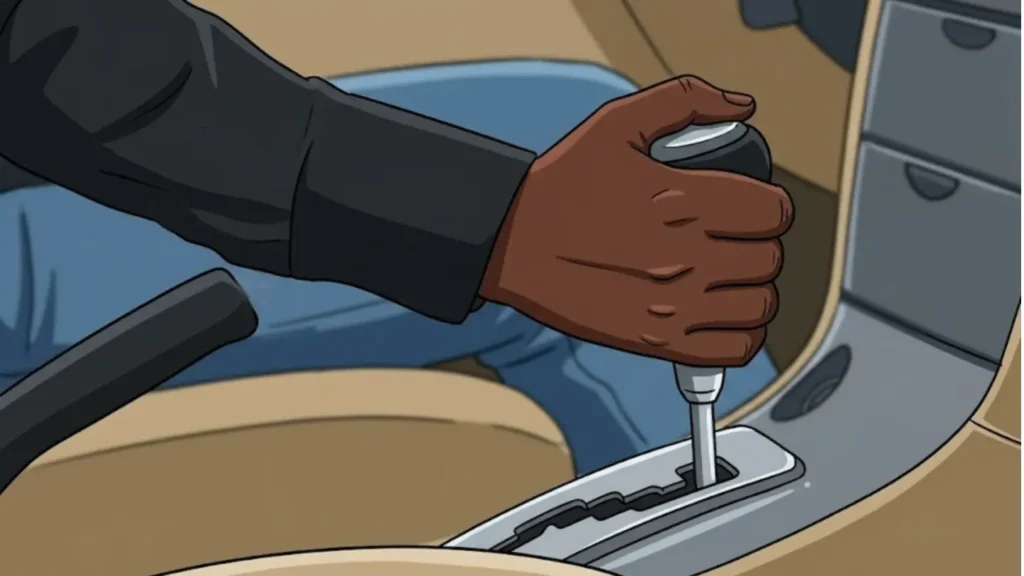
When most individuals use the term “auto,” this is what comes to mind, although modern units are very different from the sluggish automatics of decades ago. Modern transmissions are more advanced and have features such as 10 gears, depending on your driving mode or tow mode.
Why buyers like it
- Smooth and relaxed in traffic.
- Handles high torque well, which makes it a go-to for towing and 4WDs.
- Mature, widely understood technology that most mechanics are familiar with.
What to know
- A major internal failure can be costly to repair.
- Older units tend to use more fuel than modern ones.
Best for: families, commuters, caravan and boat owners, and anyone who wants a no-fuss drive.
Dual-clutch transmission (DCT)
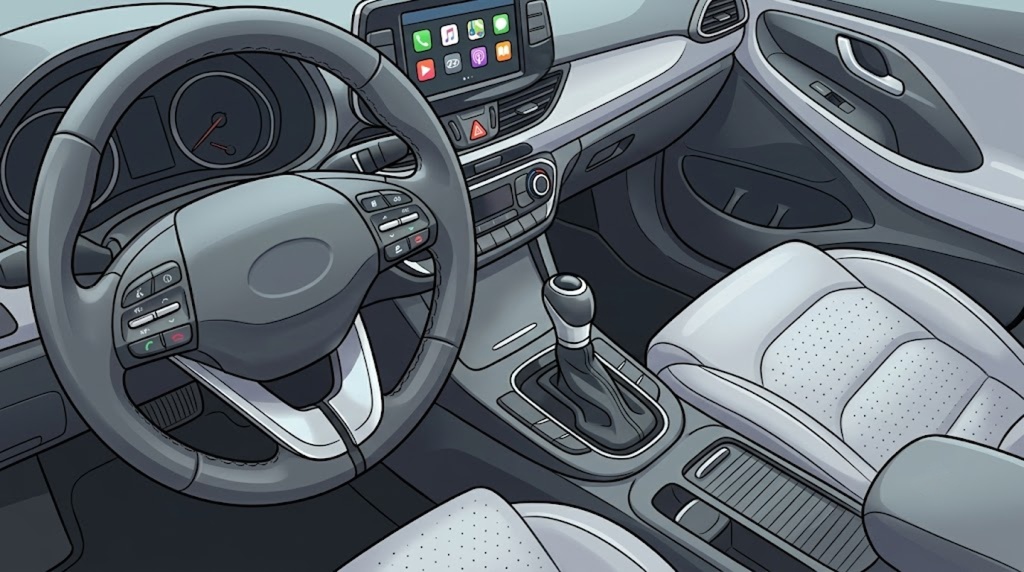
Think of a DCT as two manual gearboxes working together with no clutch pedal for you to press. A DCT uses two clutch packs, with one handling odd-numbered gears and the other even-numbered gears. That lets the transmission prepare the next gear before the shift happens, which helps explain its quick changes.
Why buyers like it
- Rapid, sharp gear changes that suit performance-minded cars.
- Can be efficient on open roads.
What to know
- Repeated low-speed crawling, such as bumper-to-bumper traffic or tight car parks, can place additional heat and wear on the clutch packs in some DCTs.
- Some earlier DCT designs earned a reputation for hesitation and reliability issues, so research the specific model and generation.
- Repairs can be expensive, so service history matters even more here.
Best for: drivers with plenty of open-road or highway driving and a love of quick shifts. If your daily drive is mostly stop-start, think carefully.
Read more: Why manual transmission drivers are becoming rare in Australia
CVT (Continuously Variable Automatic Transmission)
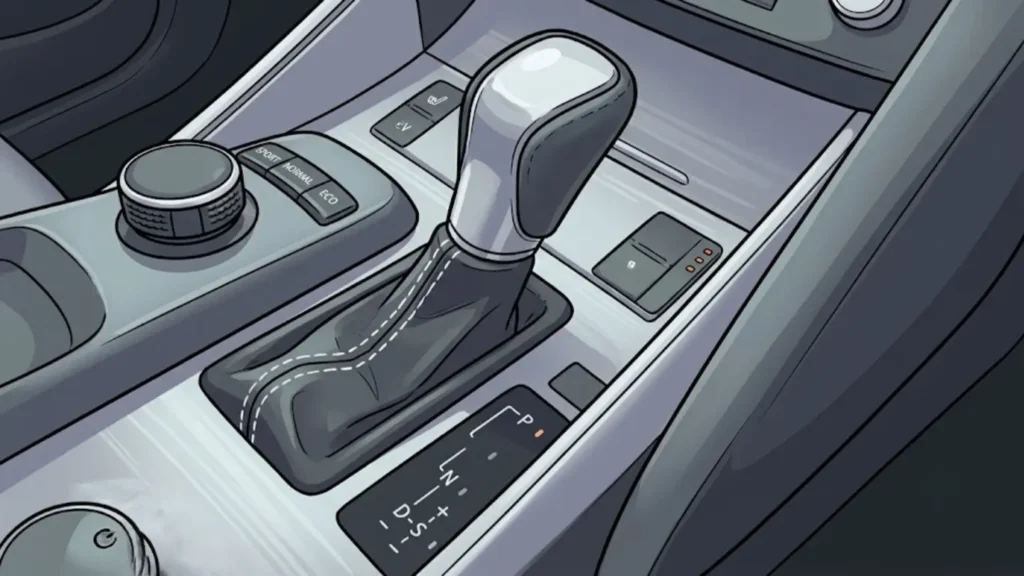
Unlike conventional gearboxes, a CVT doesn’t have gears in the traditional sense. Instead, a belt or chain and a pair of variable-width pulleys continuously change the drive ratio. This allows the engine to spend more time in an efficient rev range, which can help fuel economy in the right application.
Why buyers like it
- Smooth, shift-free driving.
- Strong fuel efficiency, which is handy when petrol prices bite.
- Common in small SUVs and hatchbacks, so there’s plenty of used choice.
What to know
- It can be less familiar, as the engine revs increase and hold rather than pass through the gears.
- You may hear a drone or whine at full throttle.
- They can be costly to repair if the main parts are faulty, so check the servicing intervals for the particular vehicle.
- CVT reliability varies between manufacturers and generations, so check the specific model’s service requirements and known issues before buying.
Best for: city drivers, commuters and anyone who prioritises low running costs and a calm drive.
So, which transmission should you buy?
Skip the debate and match the gearbox to your life:
- Daily commute through traffic? A torque converter auto or a modern CVT will generally be less demanding to drive.
- Towing a caravan, boat or trailer? A torque converter auto is commonly used in vehicles designed for towing, but always check the manufacturer’s specifications for the specific vehicle.
- Weekend drives on winding roads? A manual or DCT may feel more engaging.
- Watching the fuel budget? A CVT, particularly in a smaller car or hybrid, is worth a look.
- Buying your first car? An automatic keeps things simple while you build experience.
- Chasing the lowest purchase price? Compare the manual and automatic versions of the model you want.
If you’re buying a used SUV or ute for towing, don’t choose the transmission in isolation. Check the vehicle’s braked towing capacity, GVM, GCM and maximum tow-ball mass, then compare those limits with the loaded weight of your trailer.
A few notes about licences: if you learn to drive in an automatic, you may have a restriction on your licence preventing you from driving a manual. Check with your local transport authority as this can vary between states and territories.
Your test-drive checklist
The test drive is where a transmission tells you the truth. Use it.
- Start cold if you can. Some issues are easier to notice before the car warms up.
- Drive at every speed. Try slow crawling, moderate acceleration, highway speed and a gentle hill.
- Pay attention to shifts. They should feel smooth and predictable, not jerky, delayed or noisy.
- For manuals: the clutch should bite at a sensible point, not right at the top or bottom of the pedal, and gears should slot in without crunching.
- For DCTs: watch for shuddering or hesitation when pulling away gently.
- For CVTs: the car should accelerate smoothly without surging, slipping or loud whining.
- Check reverse. It should engage promptly and without clunks.
Red flags that should make you pause
- Slipping, where the revs rise but the car doesn’t accelerate to match
- Harsh jolts or delayed engagement when moving from park or neutral into drive
- Shuddering at low speeds
- Burning smells or warning lights on the dash
- Missing or patchy service records
If you notice any of these, ask questions, negotiate or walk away. A pre-purchase inspection by an independent mechanic is a small cost compared with a transmission repair.
If you’re unsure about a car’s condition, consider arranging a pre-purchase inspection by an independent mechanic before committing to the purchase.
Don’t skip the paperwork
Transmission care can be invisible, but the service history is usually easy to spot. Ask about the fluid and filter changes, and make sure that they were done on schedule. Towing capacity is a good point to raise, too. Finally, find out if there are any particular reliability problems with the car. Maintenance requirements vary between DCT and CVT designs, so check the service schedule and known issues for the specific vehicle you’re considering.
It’s also worth running a PPSR check before buying a used car. A PPSR search can help confirm whether a vehicle has been reported as stolen or written off, or whether there is finance owing against it.
The bottom line
Choosing a transmission should not come down to price alone. Think about how you drive, where you drive and how the car has been maintained. Learn how the gearbox in the specific car works, take it for a thorough test drive and check its service history before you buy.
CARS24 Australia says: Before you commit to any gearbox type, check the service history, find out how the previous owner used the car, and make sure the transmission feels right during your test drive.
Comments
New Comment