




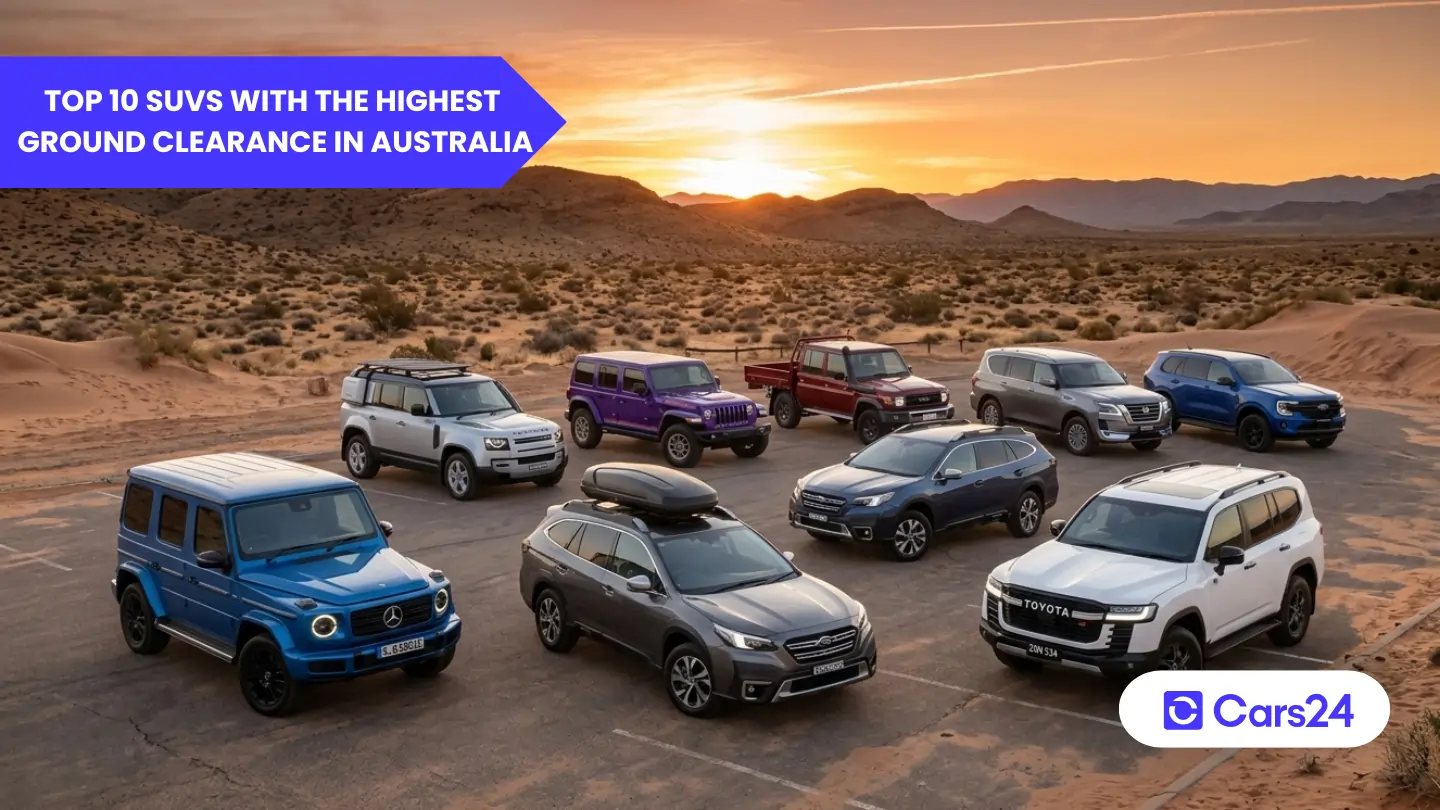
Ground clearance remains one of the most overlooked yet important measurements when choosing an SUV in Australia. While power, fuel economy, and technology often dominate buying decisions, the distance between the vehicle and the ground can make a significant difference once sealed roads end.
Whether you regularly travel regional roads, tackle beach tracks, venture into the High Country, or simply want extra confidence over rough terrain and flood-damaged surfaces, higher ground clearance improves approach angles, reduces underbody contact, and expands where your SUV can comfortably go.
Of course, outright clearance alone doesn’t tell the whole story. Suspension design, wheel travel, chassis construction, and off-road systems all influence capability. Some SUVs achieve impressive figures while maintaining strong road manners, while others prioritise serious off-road performance above everyday comfort.
If you’re looking for an SUV with high ground clearance in Australia, these 10 models offer some of the highest factory ride heights currently available in 2026.
| Model | Ground Clearance |
| Subaru Outback | 213mm |
| Subaru Forester | 220mm |
| Ford Everest | 229mm |
| Isuzu MU-X | 230mm |
| Toyota LandCruiser 70 Series | 235mm |
| Mercedes-Benz G-Class | 241mm |
| Toyota LandCruiser 300 Series | 245mm |
| Jeep Wrangler | 252mm |
| Nissan Patrol | 273mm |
| Land Rover Defender | 291mm |
Ground-clearance figures are manufacturer-quoted maximum figures and may vary by grade, wheel size, suspension type, and optional equipment.
Subaru Outback – 213mm
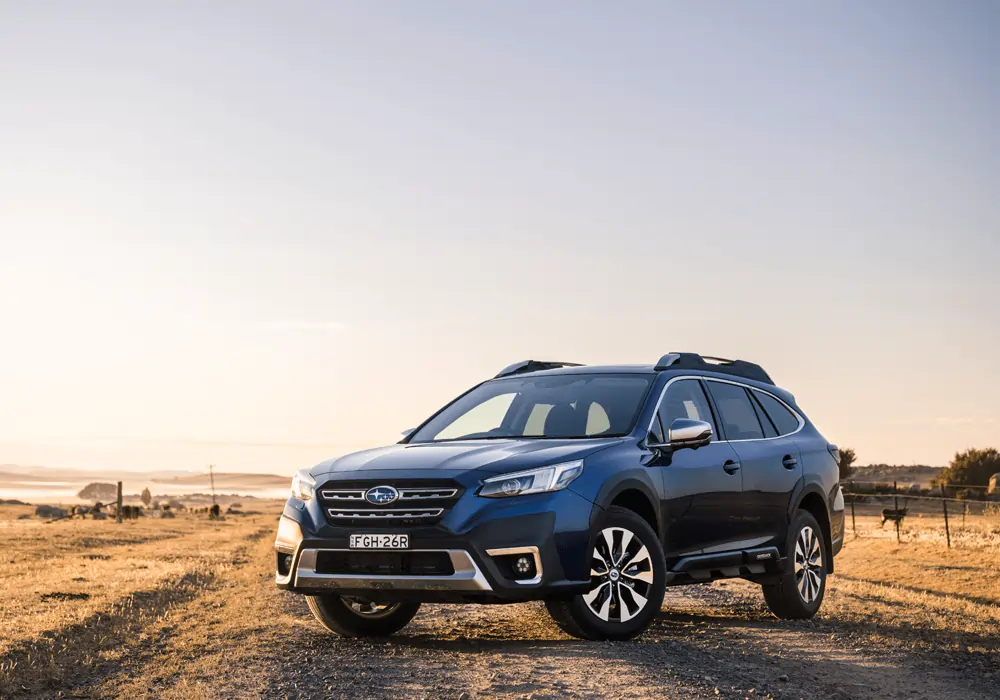


The Subaru Outback proves that strong ground clearance doesn’t always require a traditional body-on-frame SUV. With 213mm of clearance, it sits noticeably higher than most passenger SUVs and crossovers while maintaining the road manners of a large wagon.
For Australian buyers who spend more time on gravel roads, campsites, and long-distance touring than serious rock crawling, the Outback strikes an appealing balance. Subaru’s symmetrical all-wheel-drive system and long suspension travel help maximise the available clearance in real-world conditions.
Compared with the Subaru Forester sitting just above it on this list, the Outback prioritises touring comfort and highway refinement over compact agility. It also feels considerably more car-like than ladder-frame options such as the Ford Everest and Isuzu MU-X.
For buyers wanting elevated confidence without stepping into a large off-road SUV, the Outback remains one of Australia’s most versatile choices.
Subaru Forester – 220mm
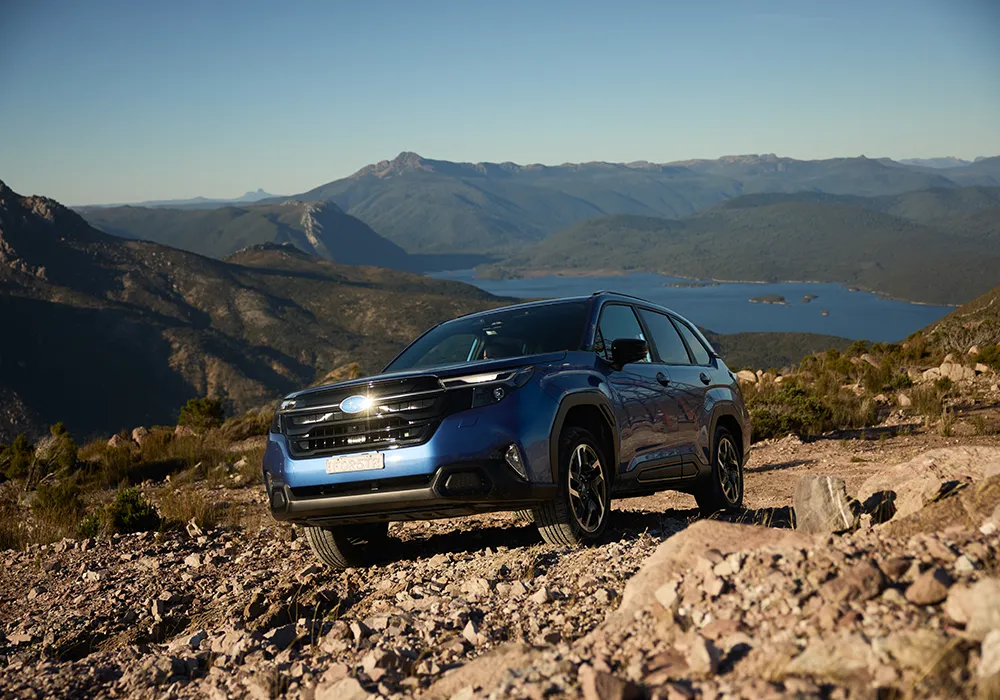
At 220mm, the Subaru Forester offers slightly more clearance than the Outback while packaging that capability into a more compact and family-friendly footprint.
That additional height gives the Forester an advantage when traversing deeper ruts, uneven access tracks, and poorly maintained regional roads. Combined with excellent outward visibility and predictable handling, it feels approachable even for drivers new to soft-roading.
Unlike larger seven-seat SUVs such as the Everest and MU-X, the Forester remains easier to park and manoeuvre around urban environments. It also avoids the bulk and fuel consumption often associated with heavier off-road-focused vehicles.
Where the Forester falls short is ultimate ruggedness. Buyers intending to regularly tow, carry heavy loads, or explore more technical tracks may find themselves stepping up to ladder-frame alternatives further down this list.
Read more: Top 7 SUVs with the Most Legroom in Australia in 2026
Ford Everest – 229mm
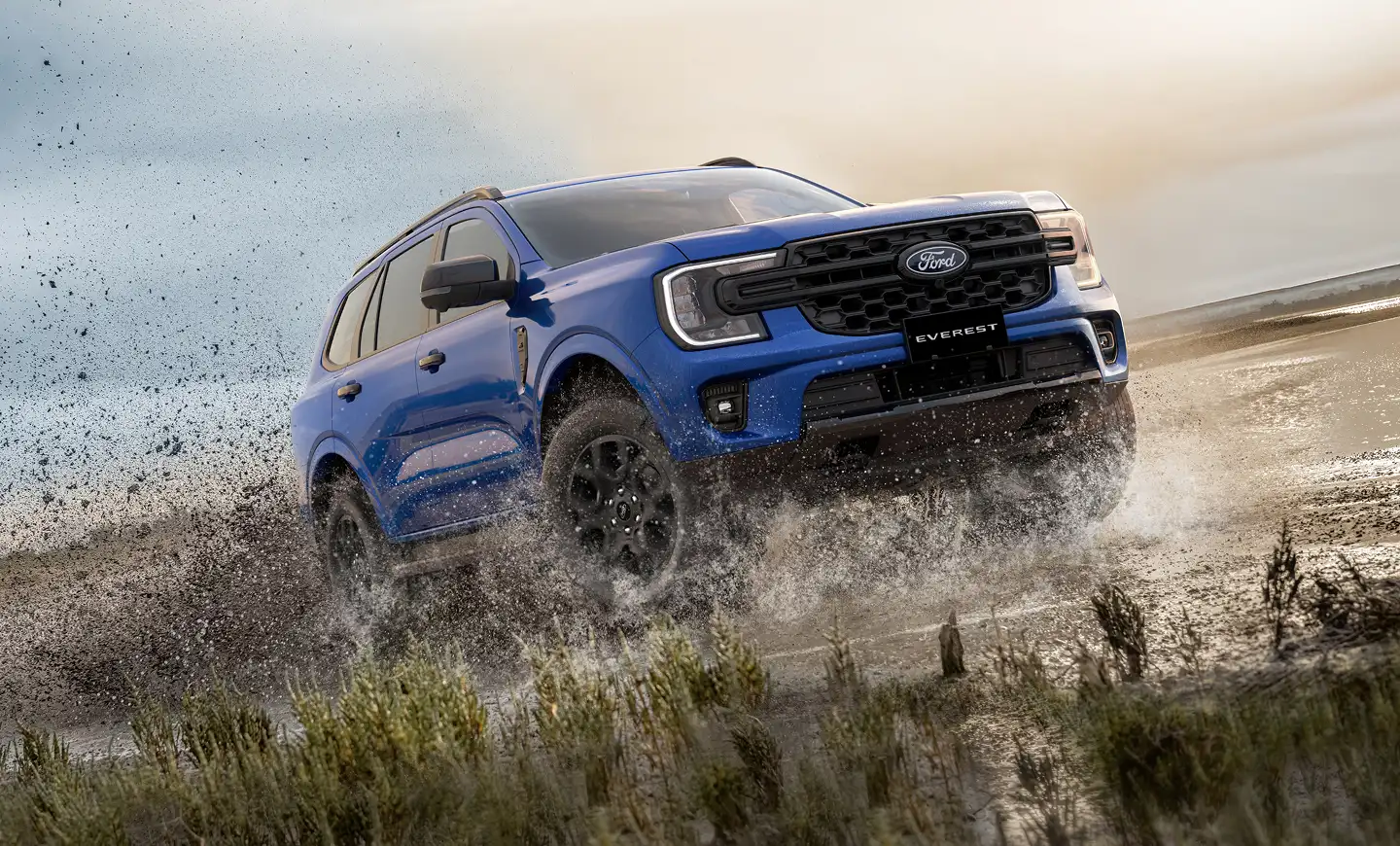
The Ford Everest marks the point where this list transitions from elevated family SUVs into genuine off-road territory. Its 229mm ground clearance, combined with a ladder-frame chassis, makes it a highly capable all-rounder.
Unlike the Subaru above, the Everest delivers greater wheel articulation and stronger durability when terrain becomes more challenging. Yet Ford has managed to retain impressive ride quality and refinement, making it one of the more polished large SUVs on sale.
Its clearance figure narrowly trails some of the more hardcore off-road offerings later in this list, but in everyday use the difference is less dramatic than the numbers suggest.
When comparing with the Isuzu MU-X, the Everest generally feels more composed and sophisticated on-road, while buyers stepping up to the LandCruiser 300 gain additional prestige and long-distance touring credentials at a substantially higher cost.
Isuzu MU-X – 230mm
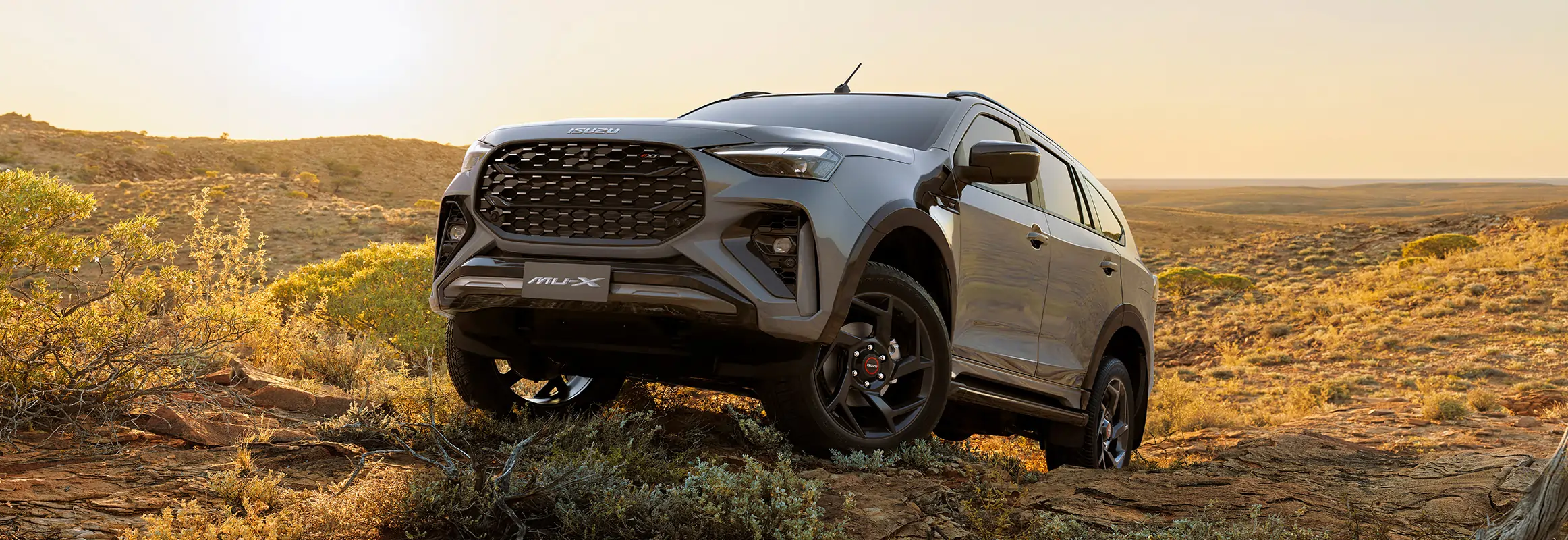
The Isuzu MU-X edges ahead of the Ford Everest with 230mm of ground clearance, but its appeal extends well beyond a one-millimetre advantage.
Built around proven ute-based underpinnings, the MU-X has developed a reputation for durability and dependable long-distance touring. The extra ride height contributes to stronger confidence over washouts, corrugations, and rough regional roads.
Where it differentiates itself from the Everest is simplicity. The MU-X focuses more on rugged dependability than premium feel, making it attractive to buyers prioritising reliability and lower ownership complexity.
Compared with the more expensive Toyota LandCruiser 300 Series, the MU-X gives away outright sophistication and power but still delivers impressive capability for the money.
For touring families wanting genuine clearance without luxury pricing, the MU-X remains one of Australia’s strongest value propositions.
Read more: Top 5 SUVs in Australia with the biggest boot space in 2026
Toyota LandCruiser 70 Series – 235mm
The Toyota LandCruiser 70 Series occupies a unique place in Australia’s SUV landscape. Depending on variant, ground clearance ranges between 230mm and 235mm, but numbers only tell part of the story.
This is a vehicle engineered for durability first and comfort second. Its clearance, robust chassis, and heavy-duty underbody design allow it to operate confidently in conditions where many modern SUVs become more cautious.
Compared with the MU-X and Everest, the 70 Series feels more agricultural on-road but considerably more purposeful once surfaces deteriorate. It also places greater emphasis on load carrying and remote-area durability.
However, buyers expecting the refinement of the LandCruiser 300 Series may find the 70 Series demanding in everyday use.
For remote touring, station work, and uncompromising off-road travel, few vehicles carry the same reputation.
Mercedes-Benz G-Class – 241mm

With 241mm of ground clearance, the Mercedes-Benz G-Class combines genuine off-road capability with luxury SUV appeal in a way few rivals attempt.
Despite its premium positioning, the G-Class remains remarkably capable away from sealed roads. Its boxy proportions, strong clearance, and advanced drivetrain systems allow it to tackle terrain many luxury SUVs avoid.
Compared with the utilitarian LandCruiser 70 Series, the G-Class delivers a vastly more refined experience while still maintaining serious off-road credentials.
Against the Toyota LandCruiser 300 Series, the G-Class feels more exclusive and distinctive, though ownership costs rise significantly.
The surprise for many buyers is that this SUV isn’t simply about image. Underneath the luxury materials sits one of the most capable factory-built off-road vehicles currently available in Australia.
Read more: Top 5 cars for tall drivers in Australia (2026)
Toyota LandCruiser 300 Series – 245mm
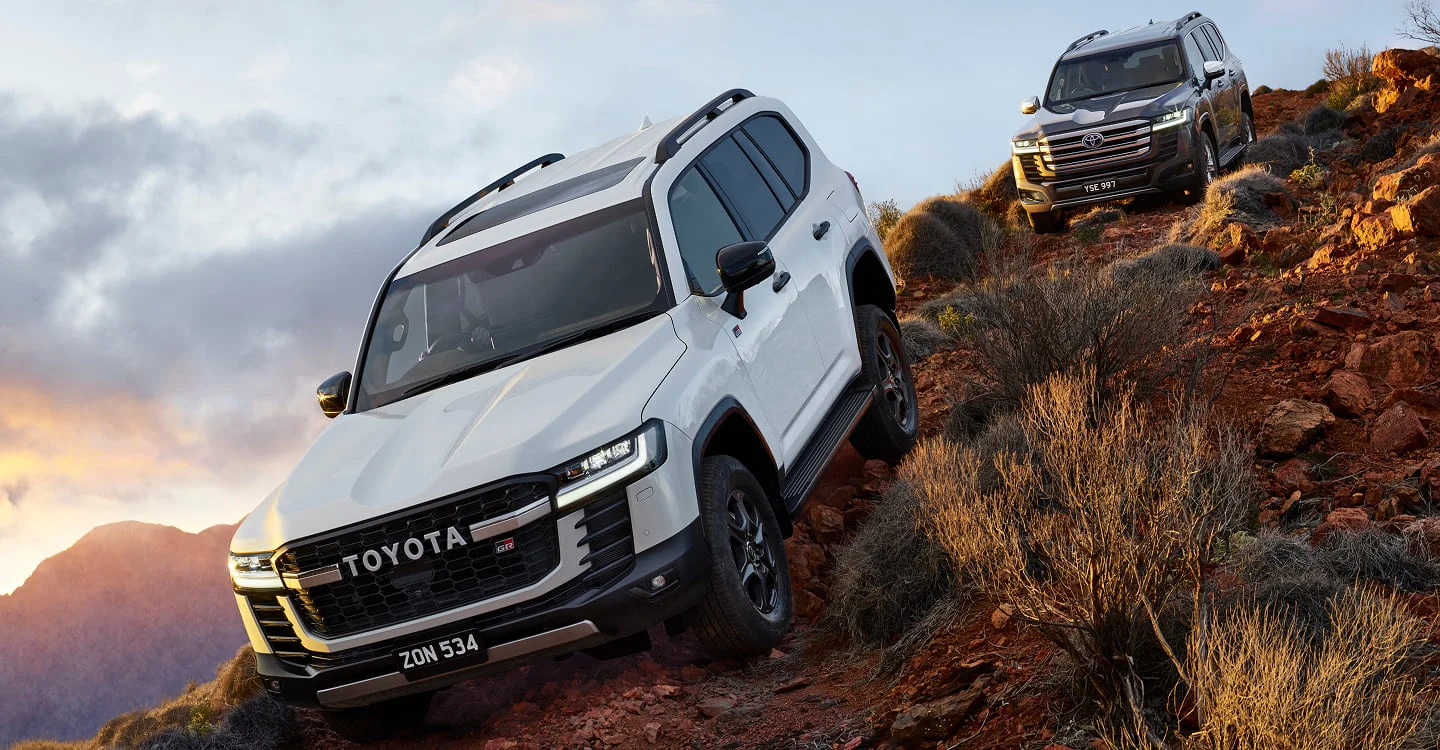
The Toyota LandCruiser 300 Series continues to set the benchmark for premium large-SUV touring in Australia, helped by its substantial 245mm of ground clearance.
Unlike the work-focused LandCruiser 70, the 300 Series blends long-distance comfort with genuine off-road capability. That additional clearance improves confidence over rough terrain without compromising everyday usability.
Its sophisticated suspension setup allows it to feel more settled than many ladder-frame competitors, particularly during long interstate trips and touring holidays.
Compared with the G-Class, the LandCruiser prioritises practicality and ownership confidence over luxury exclusivity. It also offers a more premium and effortless experience than the MU-X and Everest for buyers willing to spend more.
For buyers seeking one vehicle capable of urban driving, towing, and remote exploration, the LandCruiser 300 remains exceptionally difficult to overlook.
Jeep Wrangler – 252mm
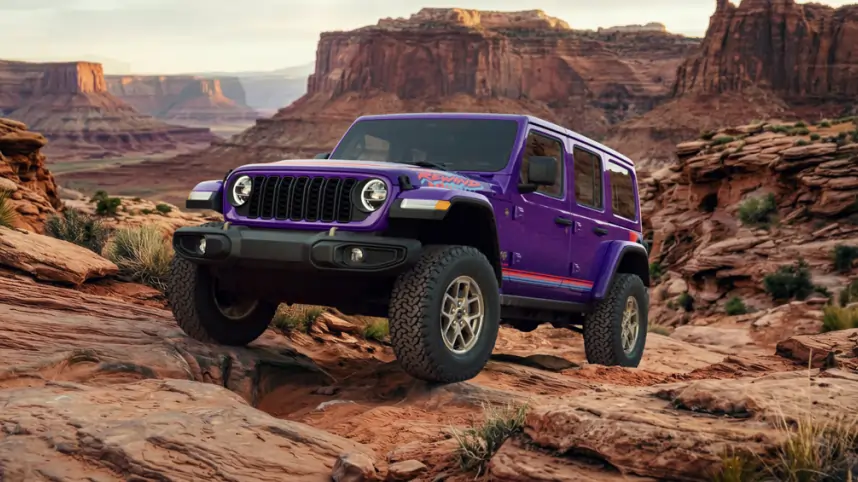
At 252mm, the Jeep Wrangler takes a meaningful jump in clearance and begins moving into dedicated off-road specialist territory.
Unlike many SUVs that balance capability with comfort, the Wrangler unapologetically prioritises adventure. Short overhangs, generous ride height, and strong approach angles combine to create impressive trail performance.
Compared with the LandCruiser 300, the Wrangler feels more focused and engaging off-road but sacrifices refinement and practicality in daily use.
Its removable roof and distinctive character also create a very different ownership experience from traditional touring SUVs.
For Australian buyers regularly heading onto beaches, rocky tracks, and challenging terrain, the Wrangler offers capability that exceeds many larger and more expensive rivals. Its compromise is everyday comfort, but that trade-off is exactly what attracts its enthusiast audience.
Read more: Top 10 most reliable cars in Australia
Nissan Patrol – 273mm
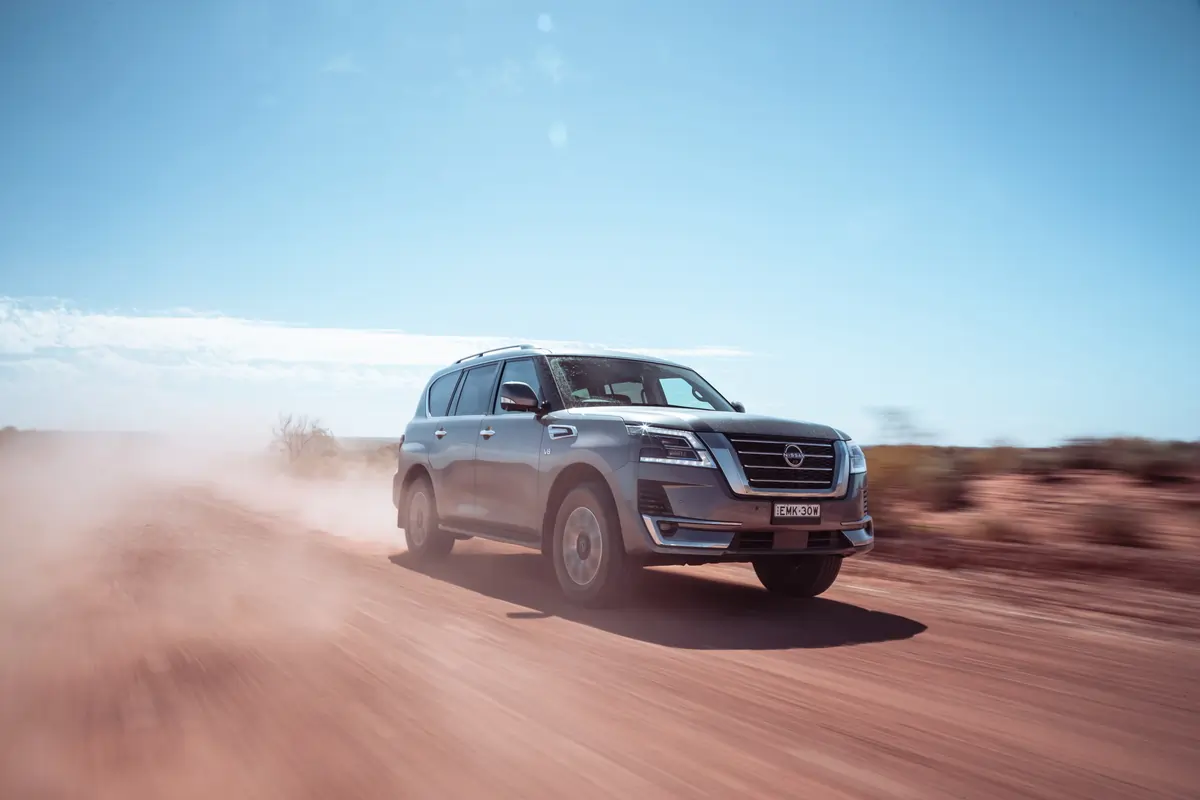
The Nissan Patrol’s 273mm of ground clearance places it among Australia’s tallest mainstream SUVs and helps explain its enduring popularity among off-road enthusiasts. Combined with substantial dimensions and strong off-road geometry, the Patrol feels remarkably capable over deeply rutted tracks and uneven terrain.
Unlike the Wrangler’s specialised approach, the Patrol combines its clearance advantage with spacious cabin accommodation and strong touring comfort.
When compared with the LandCruiser 300 Series, the Patrol offers even greater clearance on paper, although the Toyota counters with newer technology and stronger efficiency.
For families planning extended off-grid travel or towing adventures, the Patrol remains one of the most confidence-inspiring large SUVs available. Its age is beginning to show in places, but its capability credentials remain difficult to dismiss.
Land Rover Defender – 291mm

Topping this list is the Land Rover Defender with an impressive 291mm of maximum ground clearance, giving it one of the highest factory figures among SUVs sold in Australia.
The Defender’s advantage comes not only from height but from how intelligently it uses that clearance through sophisticated suspension and terrain management systems.
Compared with the Nissan Patrol and Jeep Wrangler, the Defender delivers a more polished balance between serious off-road ability and everyday comfort. It also feels more modern and versatile than traditional ladder-frame alternatives.
Despite its capability, the Defender doesn’t demand the compromises often associated with hardcore off-road vehicles. For buyers wanting the highest ground clearance in Australia while maintaining premium comfort and advanced technology, the Defender stands at the top of this list.
Read more: Top 5 best value used cars in Australia in 2026
Why ground clearance matters more than ever in 2026?
Australian buyers are increasingly looking beyond city commuting. Regional travel, camping, overlanding, and touring continue to influence vehicle choices, making ground clearance a more relevant buying factor.
Additional clearance doesn’t just improve off-road performance. It can reduce underbody damage, increase confidence during flood recovery periods, and make rough roads more manageable.
That said, more isn’t always better. Excessive ride height can affect efficiency, handling, and ease of access. The ideal SUV depends on how often you leave sealed roads and what type of terrain you regularly encounter.
Final thoughts
The SUVs with the highest ground clearance in Australia span a surprisingly broad range of buyer needs.
The Subaru Outback and Forester show that everyday practicality and extra clearance can coexist. The Everest, MU-X, and Land Cruiser models provide stronger touring credentials, while the Wrangler and Patrol push deeper into dedicated off-road territory.
At the very top, the Land Rover Defender demonstrates that maximum clearance no longer means sacrificing refinement.
Ultimately, the right SUV isn’t simply the one with the biggest number; it’s the one whose capability matches where you actually drive.

Comments
New Comment