




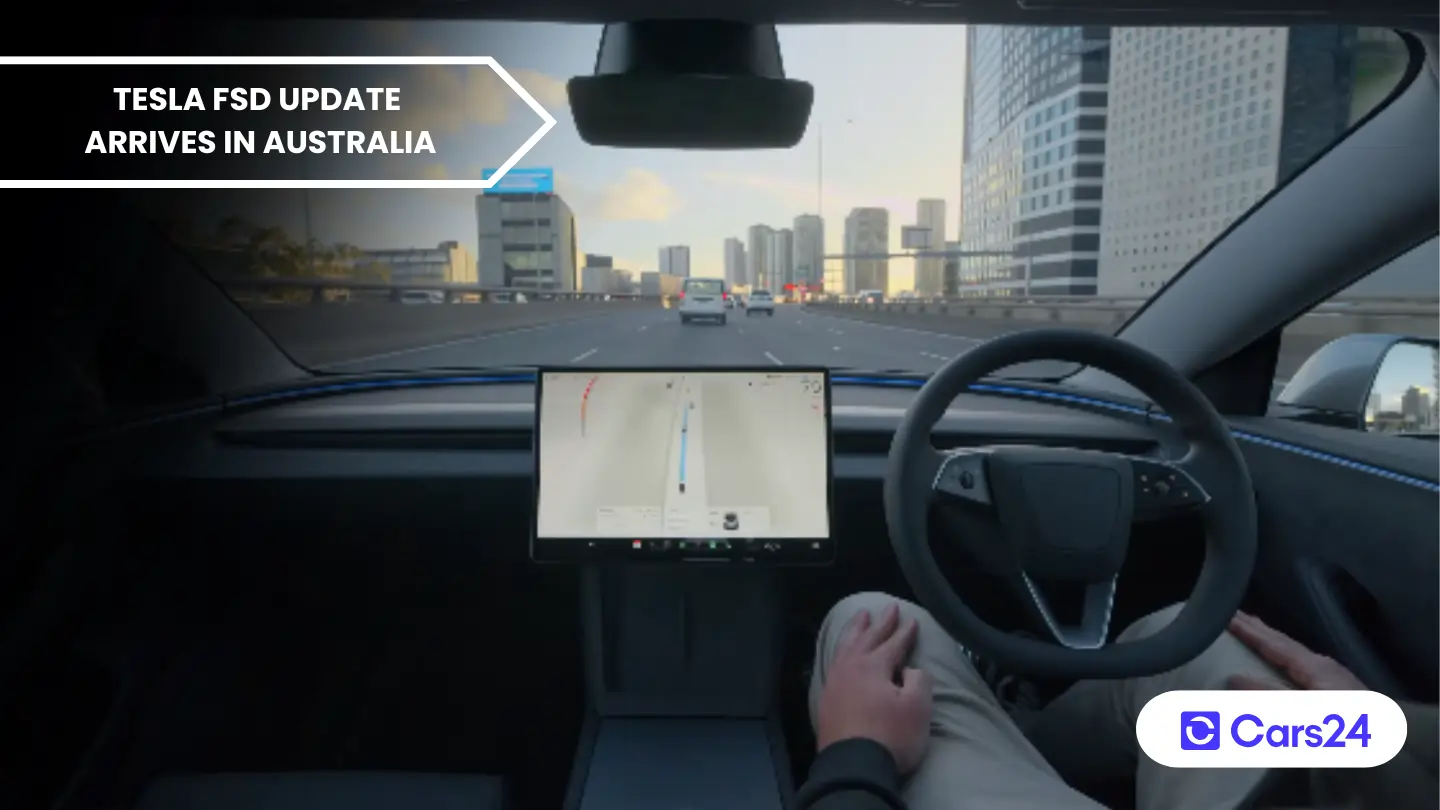
Tesla has started rolling out the latest version of its Full Self-Driving (FSD) Supervised software in Australia, bringing a range of updates aimed at improving driver-assistance performance in eligible Tesla Model Y and Model 3 vehicles.
The updated software, known as FSD v14.3.3, began reaching compatible Australian vehicles on June 19, 2026. According to Tesla, the update introduces improvements to the system’s neural network and training processes, resulting in smoother operation and fewer instances where drivers need to intervene.
The rollout comes as Tesla continues to expand its advanced driver-assistance technology in Australia, where the Model Y was the country’s best-selling new vehicle in May 2026, ahead of popular models including the Ford Ranger, Toyota HiLux and Toyota RAV4.
Read more: Tesla Full Self-Driving goes subscription-only in the US
What’s new in Tesla’s latest FSD update?
Tesla says the new software benefits from an upgraded reinforcement learning training process designed to improve performance across a wider range of driving scenarios.
According to the company, the update delivers better traffic sign recognition and allows the system to react up to 20 per cent faster than before. Tesla also claims the software is capable of handling complex intersections, roadworks and emergency vehicle encounters more effectively. Other improvements cited by Tesla include a reduction in unnecessary lane changes and better recognition of smaller animals on or near the road.
The company says these enhancements should result in fewer driver interventions when using FSD Supervised. A new feature within the FSD interface now displays the longest intervention-free distance achieved while using the system.
Read more: Tesla drops Enhanced Autopilot in Australia as Full Self-Driving rolls out
New speed modes and arrival options added
One of the most notable additions is a new “Sloth” Speed Profile, which joins Tesla’s existing Chill, Standard and Hurry modes. Tesla says the new setting adopts a more conservative driving style, with lower speeds and more cautious lane selection. The company also claims the behavioural differences between speed profiles are now more distinct than before.
The update introduces new Arrival Options designed to manage the final stages of a journey. Drivers can now select how the vehicle behaves as it approaches a destination, including options such as Car Park, Indoor Car Park, Street Driveway and Pull Over. Tesla says the navigation system can adjust the destination point based on where the driver places a navigation pin.
Another change sees Brake Confirm disabled by default. Previously, drivers needed to press and release the brake pedal before activating FSD. With the latest update installed, the system can begin operating without this additional step. Drivers can also start an FSD session from the touchscreen while parked or during a journey, while updated graphics have been added to the vehicle’s central display.
Read more: Tesla switches on Full Self-Driving Supervised in Australia
Which Tesla models are eligible?
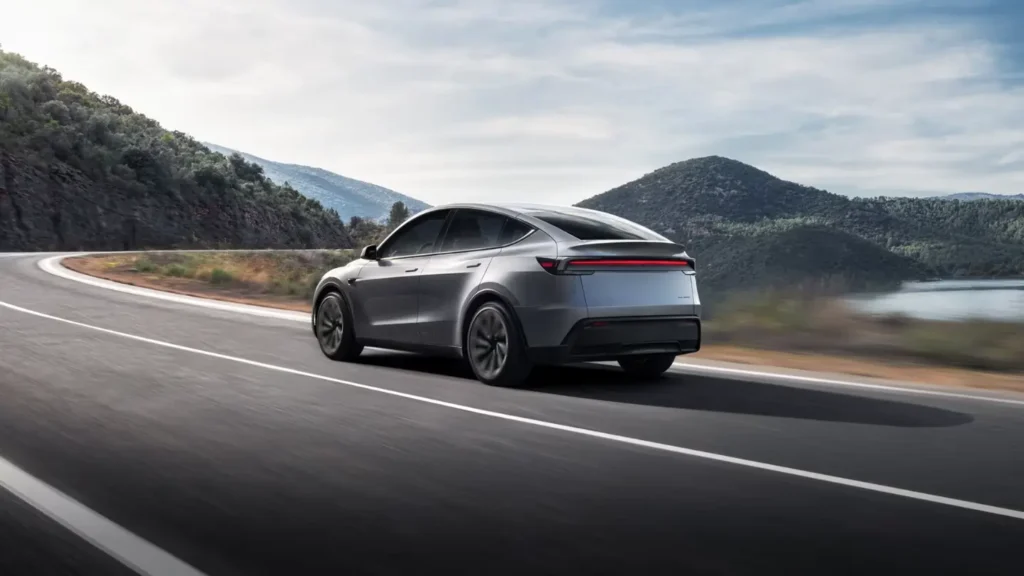
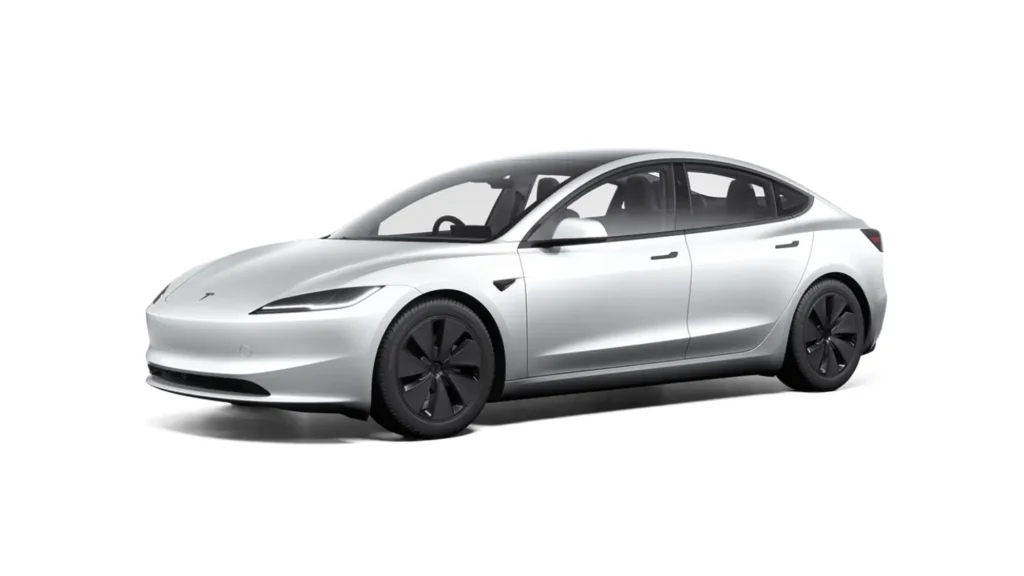
In Australia, Tesla’s FSD Supervised system is currently available on vehicles equipped with the company’s Hardware 4 (HW4) suite. This includes current versions of the Tesla Model Y electric SUV and Tesla Model 3 electric sedan sold in Australia.
FSD was first introduced locally in September 2025 and is now available through a subscription model after initially being offered as a one-time purchase option.
Read more: Tesla Australia Model Lineup Explained
FSD remains a supervised system
Despite the name, Full Self-Driving remains a driver-assistance system rather than a fully autonomous technology. Australian drivers are still required to remain attentive, monitor their surroundings and be prepared to take control of the vehicle at any time while FSD Supervised is active.
Read more: How far can a Tesla travel on zero battery?
Tesla continues to pursue autonomous driving technology globally, with the company launching its Robotaxi service in the United States in 2025. However, fully driverless vehicle operation remains separate from the FSD Supervised system currently available to Australian customers.
As Tesla continues refining its software through over-the-air updates, the latest rollout marks another step in the company’s efforts to expand advanced driver-assistance capabilities for Australian drivers.

Comments
New Comment