




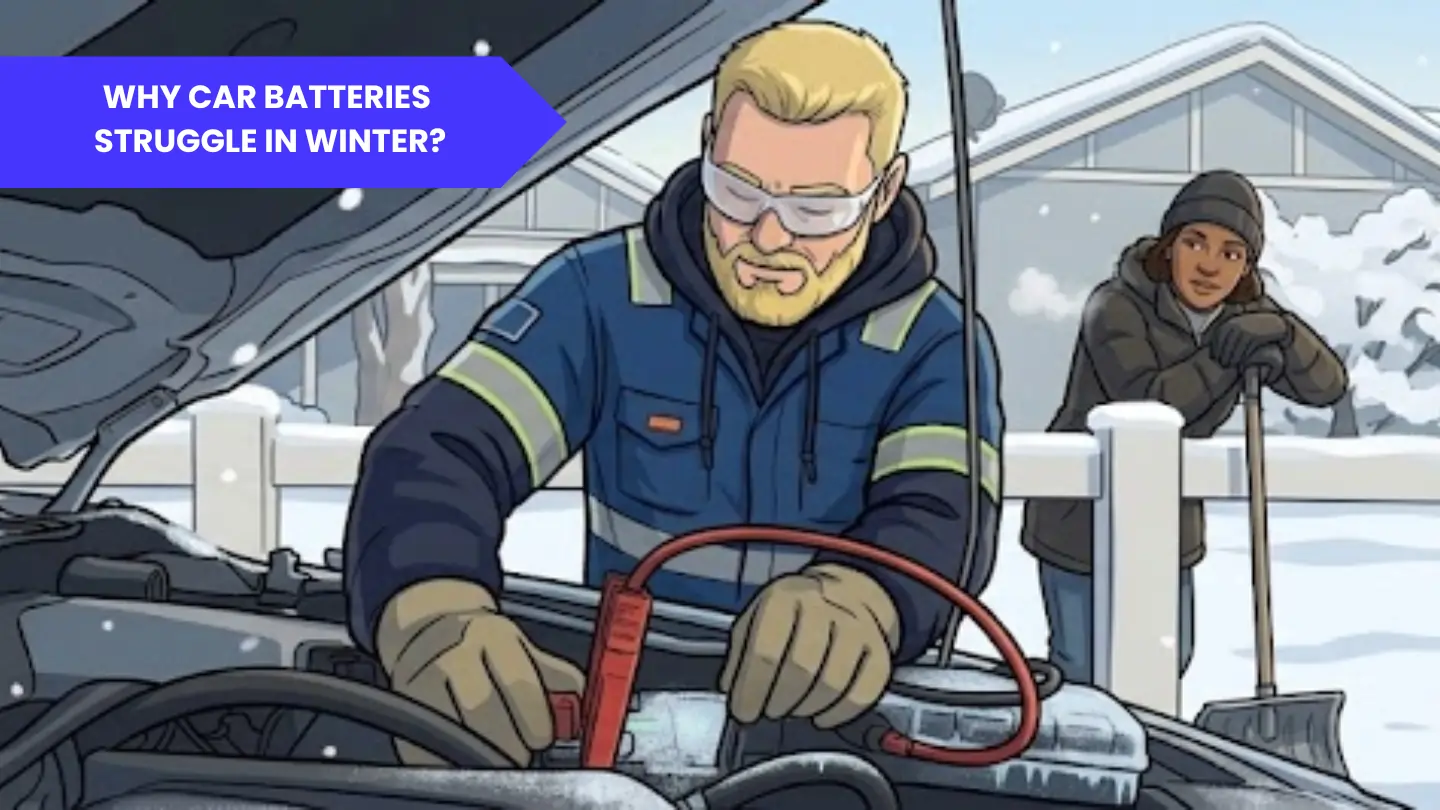
If your car seems harder to start on a cold winter morning in Australia, you’re not imagining it. Winter temperatures can have a noticeable impact on battery performance, making flat batteries and starting issues more common during the colder months.
The reason comes down to simple science. Cold weather slows the chemical reactions inside a battery, reducing its ability to produce electricity. At the same time, your vehicle requires more power to start and operate in low temperatures. This combination can leave even a healthy battery working harder than usual.
While Australia’s winters are generally milder than those experienced in Europe or North America, colder conditions in southern states, inland regions and frost-prone areas can still affect battery performance.
Here’s why car batteries struggle in winter and what you can do to minimise the risk of being left with a flat battery.
Read more: Car batteries: How they work, how long they last and when to replace them
How does a car battery work?
Most petrol, diesel, and hybrid vehicles use a lead-acid battery. Inside the battery are lead plates submerged in an electrolyte solution. A chemical reaction between these components produces electrical energy, which powers the vehicle’s electrical systems and provides the current needed to start the engine.
When everything is working correctly, the battery stores energy while the vehicle is running and releases it when needed. However, the speed of this chemical reaction is heavily influenced by temperature.
Read more: Should you warm up your car before driving in winter?
Why does cold weather affect car batteries?
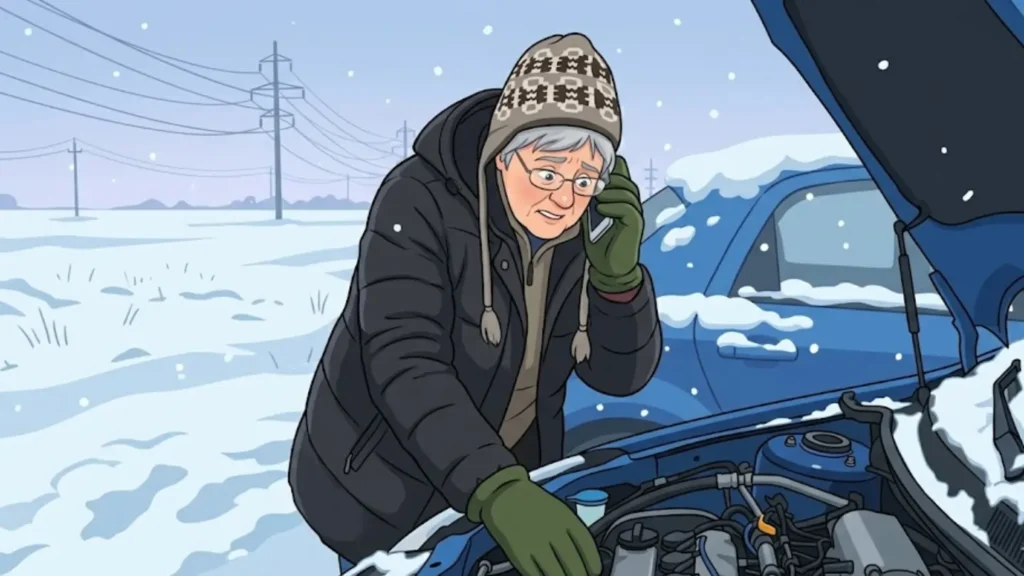
The biggest reason batteries struggle in winter is that cold temperatures slow down the chemical reactions responsible for generating electricity.
As temperatures fall, the battery becomes less efficient at producing and delivering power. This means it may still hold charge but be less capable of supplying the current required to start the vehicle.
In practical terms, the battery has less power available precisely when the vehicle needs more of it.
Battery manufacturers note that a lead-acid battery can lose a significant portion of its cranking performance as temperatures approach freezing, making winter one of the most demanding seasons for vehicle batteries.
Read more: How many years can a hybrid car battery endure?
What is cranking power?
Cranking power refers to a battery’s ability to deliver a large burst of current to the starter motor when the engine is being started.
You may have seen the term CCA (Cold Cranking Amps) on a battery label. This rating measures how much current a battery can provide under cold conditions while maintaining sufficient voltage to start the vehicle.
A higher CCA rating generally means better performance in colder weather.
Even though most Australian drivers rarely experience sub-zero temperatures, CCA remains an important indicator of a battery’s ability to cope with winter conditions.
Why do cars need more power during winter?
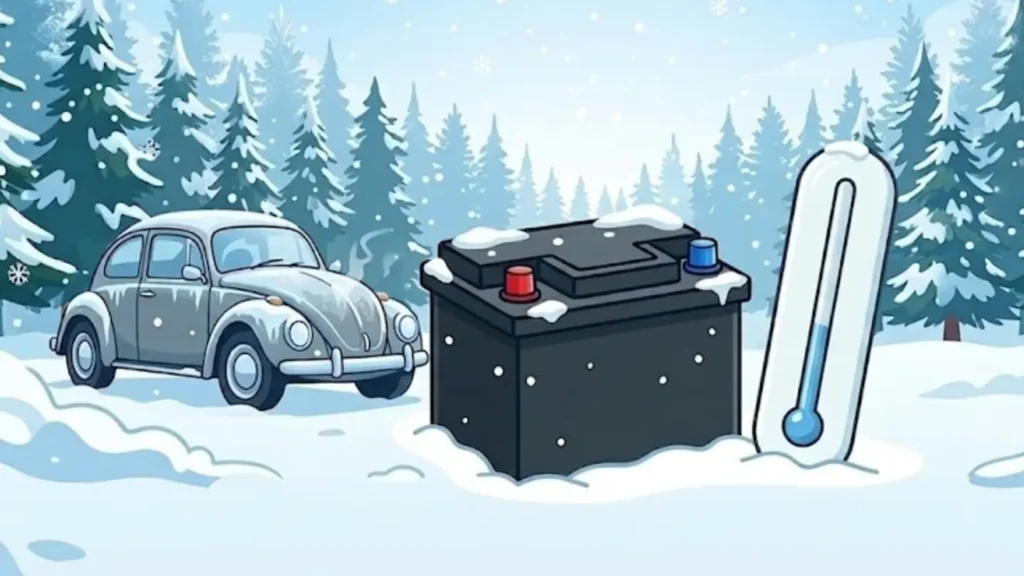
The challenge isn’t just that batteries produce less power in the cold. Vehicles often require more power as temperatures drop.
Thicker engine oil
Cold temperatures make engine oil thicker and less fluid. This increases resistance inside the engine, forcing the starter motor to work harder during start-up.
Increased starter motor load
Because the engine is more difficult to turn over, the starter motor draws additional current from the battery.
Higher electrical demand
Winter often means greater use of electrical accessories such as:
- Headlights
- Windscreen demisters
- Wipers
- Cabin heaters
- Heated mirrors
- Heated seats
These systems increase the overall electrical load on the vehicle.
More short trips
Many drivers make frequent short journeys during winter. Because the engine isn’t running for long, the alternator may not have enough time to fully recharge the battery between starts.
Read more: What should you do if your car battery starts leaking?
Does winter damage a car battery?
Not usually. A common misconception is that winter damages batteries. In reality, cold weather mainly reduces battery performance temporarily.
In many cases, the damage actually occurs during summer. High temperatures accelerate internal corrosion and water loss inside a battery, gradually reducing its capacity over time. The battery may continue functioning normally throughout warmer months, only for these hidden weaknesses to become apparent when winter arrives and performance naturally drops.
This is why many battery failures occur during winter even though the deterioration may have started much earlier.
Read more: Essential car maintenance tips for an Australian winter
Are electric vehicle batteries affected by winter?
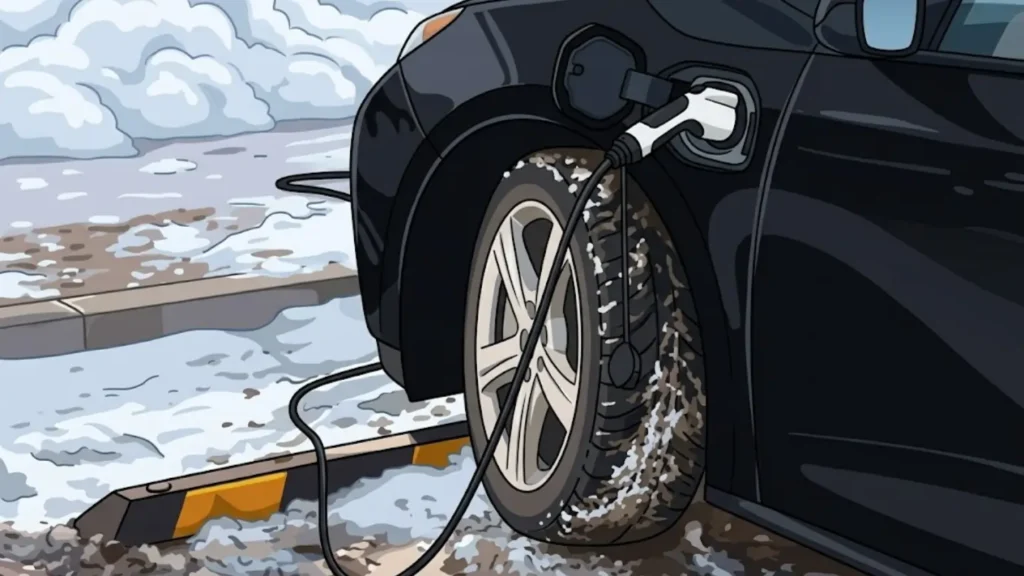
Yes, but in a different way. Unlike conventional vehicles that use lead-acid starter batteries, electric vehicles rely on large lithium-ion battery packs for propulsion.
Cold temperatures can affect EVs by:
- Reducing driving range temporarily
- Slowing charging speeds
- Increasing energy consumption for cabin heating
- Limiting battery efficiency until the pack warms up
Many modern EVs use battery preconditioning systems to minimise these effects, but some reduction in range during winter is still normal.
Why do some batteries fail completely during winter?
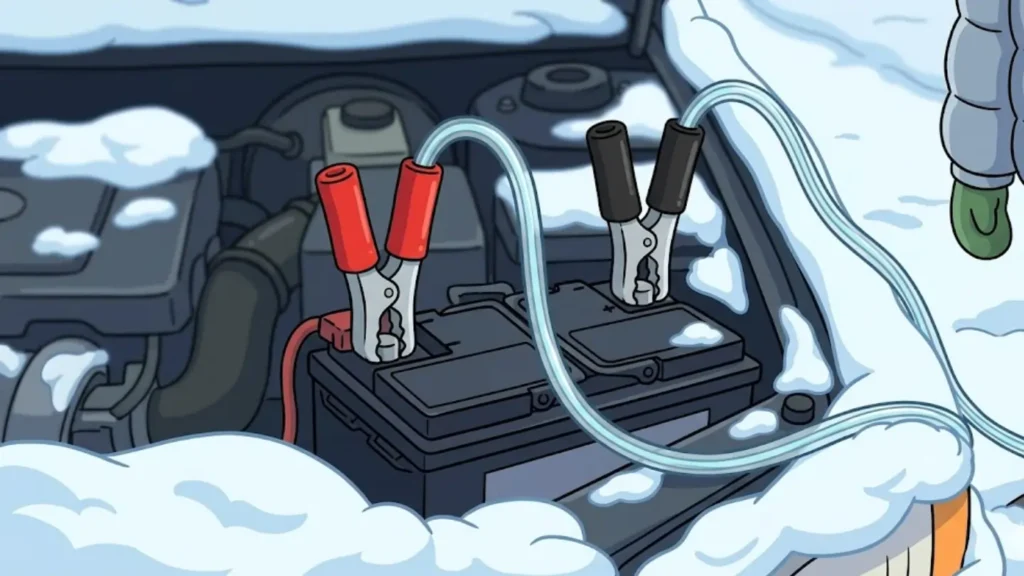
Winter itself rarely causes a healthy battery to fail. Instead, colder temperatures tend to expose batteries that are already weakened due to:
- Age-related wear
- Internal corrosion
- Sulphation
- Repeated deep discharging
- Loose or corroded terminals
- Charging system issues
A battery that copes adequately during summer may struggle when winter reduces its available starting power.
Signs your battery may be struggling
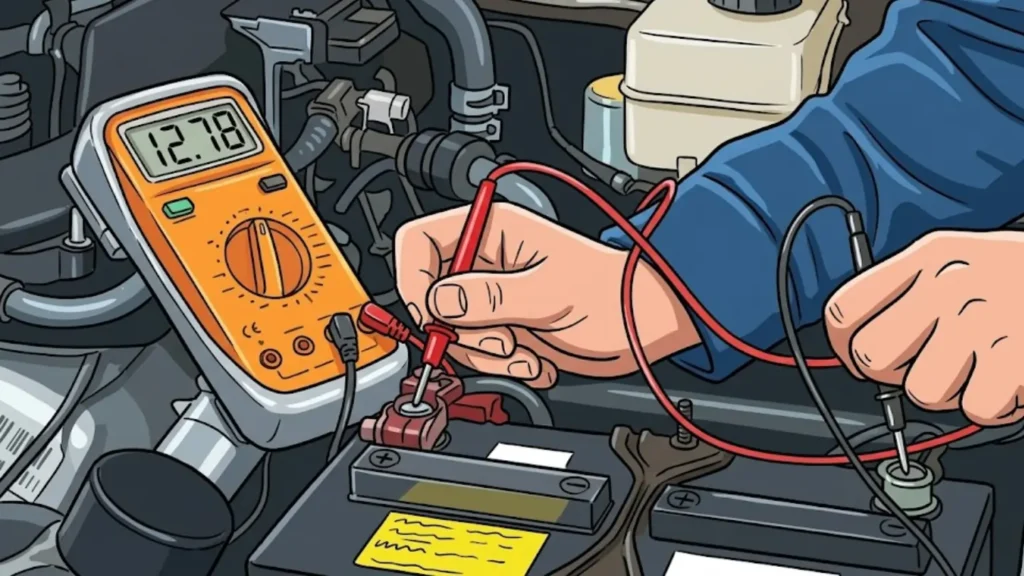
Watch for these common warning signs:
Slow engine cranking: The engine turns over more slowly than usual when starting.
Clicking sounds during start-up: A clicking noise may indicate insufficient power reaching the starter motor.
Dim headlights: Lights may appear weaker when the vehicle is started.
Electrical issues: Power windows, infotainment systems, and other electronics may behave erratically if battery voltage is low.
Dashboard warning lights: Battery or charging-system warning lights should be investigated promptly.
How to protect your car battery during winter?
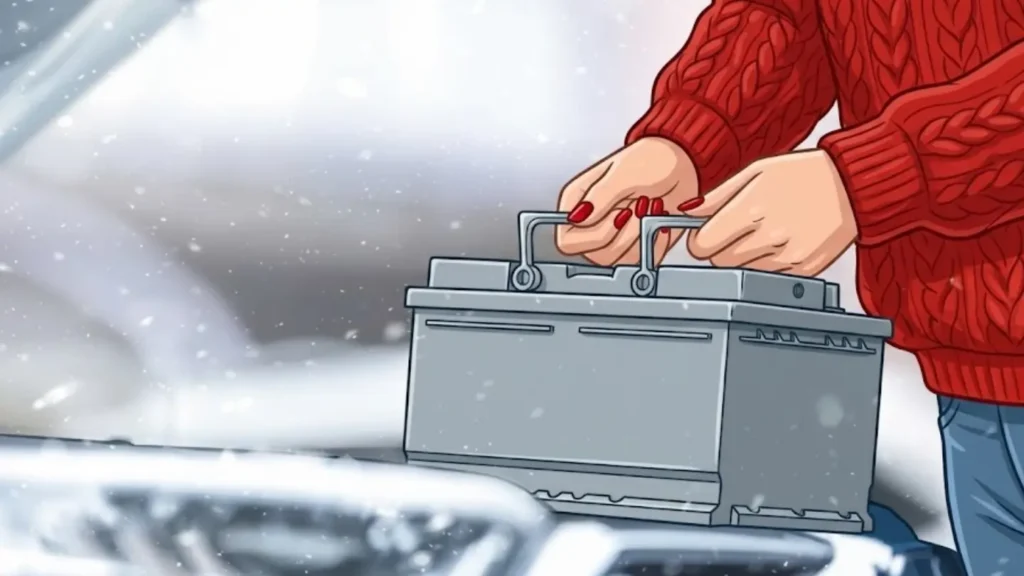
Fortunately, a few simple steps can help reduce the risk of battery-related problems.
Drive regularly: Regular driving allows the alternator to replenish the battery’s charge.
Avoid excessive short trips: Longer journeys provide more time for the charging system to restore battery capacity.
Keep terminals clean: Corrosion can restrict electrical flow and reduce battery performance.
Check battery condition: Testing the battery before winter can identify declining performance before it causes problems.
Turn off unnecessary accessories: Switching off lights, heaters, and other accessories before shutting down the vehicle can reduce strain during the next start.
The bottom line
Car batteries are more likely to fail during winter because cold temperatures reduce their ability to deliver power while increasing the amount of energy needed to start the engine. The battery itself isn’t necessarily being damaged by the cold, but lower temperatures can expose age-related wear, corrosion, or other underlying issues that may have gone unnoticed during warmer months.
While Australian winters are generally milder than those in many overseas markets, drivers in southern states, alpine regions, and areas prone to frosty mornings can still experience battery-related starting problems. Regular driving, avoiding excessive short trips, keeping battery terminals clean, and testing older batteries before winter arrives can all help reduce the risk of an unexpected flat battery.
A little preventative maintenance before the colder months can go a long way towards ensuring your vehicle starts reliably when you need it most.
Cold weather rarely damages a healthy battery, but it can reduce performance enough to expose existing weaknesses or prevent an ageing battery from starting the vehicle.
Cold temperatures reduce battery output while increasing the amount of power needed to crank the engine, making starting more difficult.
Yes. Cold weather can temporarily reduce battery efficiency and increase energy consumption, resulting in lower driving range.
Cold weather slows the chemical reactions inside a lead-acid battery, reducing its ability to produce and deliver electricity. At the same time, engines require more power to start because engine oil becomes thicker in lower temperatures. This combination of reduced battery output and increased power demand makes battery-related starting problems more common during winter. Cold weather rarely damages a healthy battery, but it can expose weaknesses in older or already deteriorating batteries.
Most car batteries last between three and five years, although their lifespan can vary depending on climate, driving habits, vehicle type, and maintenance. Extreme heat, frequent short trips, prolonged periods of inactivity, and poor charging-system health can all shorten battery life. If your battery is more than three years old, periodic testing can help identify signs of declining performance before it fails.
Browse thousands of used cars at Cars24 and take the first step towards your dream car.

Comments
New Comment