




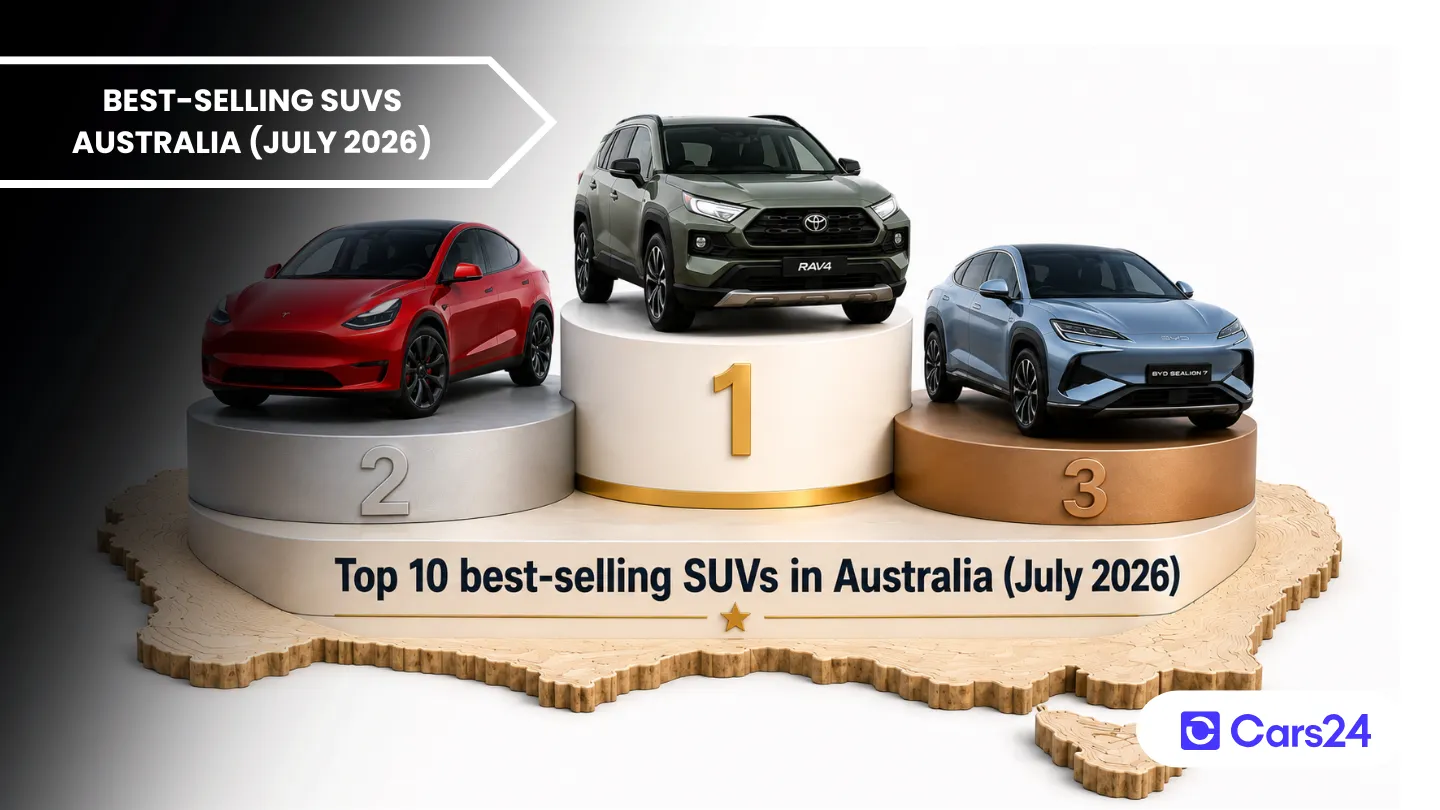
SUVs continued to dominate Australia’s new-car market in July 2026, accounting for 66.7% of all deliveries in the strongest July on record, according to the monthly VFACTS. Model Y slipped to the second spot after a top run in May and June and was beaten by the classic Toyota RAV4 by 920 units.
Electrified cars now account for 48.4% of total sales, which is comparable to pure internal combustion engine (ICE) vehicles. China continues to supply an increasing number of cars, which now stands at 35% of all new vehicles, much more than 19% in July 2025.
Here’s a look at the 10 best-selling SUVs for July 2026:
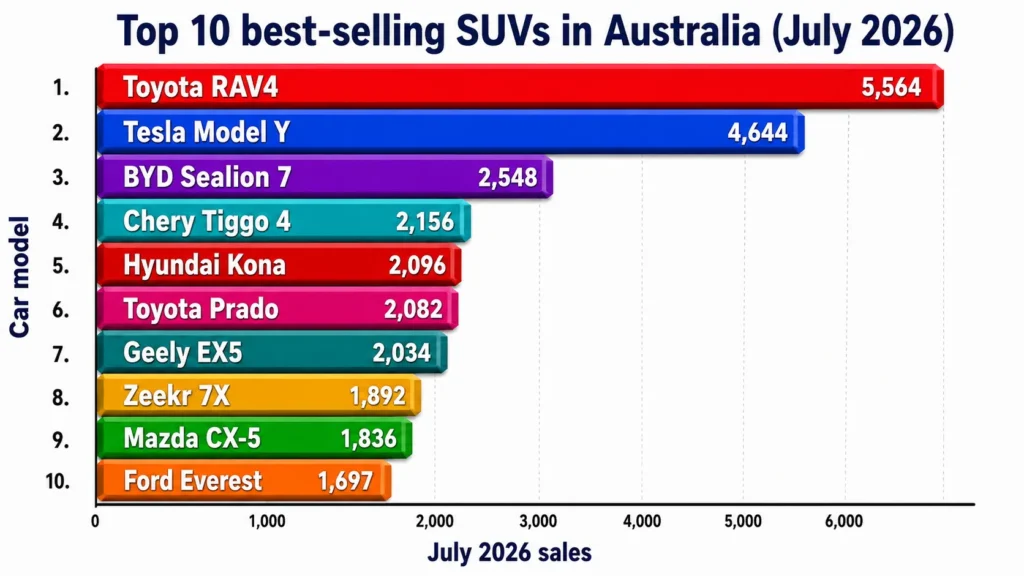
| # | Model | July 2026 sales | July 2025 sales | YoY change |
|---|---|---|---|---|
| 1. | Toyota RAV4 | 5564 | 4415 | +26% |
| 2. | Tesla Model Y | 4644 | 555 | +736.8% |
| 3. | BYD Sealion 7 | 2548 | 1427 | +78.6% |
| 4. | Chery Tiggo 4 | 2156 | 2065 | +4.4% |
| 5. | Hyundai Kona | 2096 | 1903 | +10% |
| 6. | Toyota Prado | 2082 | 2339 | -11% |
| 7. | Geely EX5 | 2034 | New model | – |
| 8. | Zeekr 7X | 1892 | New model | – |
| 9. | Mazda CX-5 | 1836 | 1821 | +0.8% |
| 10. | Ford Everest | 1697 | 2425 | -30% |
Best-selling SUV by segment for July 2026
| # | SUV Category | Model | Units sold |
|---|---|---|---|
| 1. | Light SUVs | Mazda CX-3 | 1022 |
| Toyota Yaris Cross | 832 | ||
| Suzuki Jimny | 575 | ||
| 2. | Small SUVs (<$45,000) | Chery Tiggo 4 | 2156 |
| Hyundai Kona | 2096 | ||
| GWM Haval Jolion | 1662 | ||
| 3. | Small SUVs (>$45,000) | Kia EV3 | 804 |
| BMW X1/iX1 | 392 | ||
| Mercedes-Benz GLA | 236 | ||
| 4. | Medium SUVs (<$65,000) | Toyota RAV4 | 5564 |
| BYD Sealion 7 | 2548 | ||
| Tesla Model Y | 2215 | ||
| 5. | Medium SUVs (>$65,000) | Zeekr 7X | 1892 |
| Kia EV5 | 650 | ||
| Mercedes-Benz GLC wagon | 489 | ||
| 6. | Large SUVs (<$80,000) | Tesla Model Y L | 2429 |
| Toyota Prado | 2082 | ||
| Ford Everest | 1697 | ||
| 7. | Large SUVs (>$80,000) | Land Rover Defender | 433 |
| BMW X5 | 176 | ||
| Lexus RX | 167 | ||
| 8. | Upper Large SUVs (<$120,000) | Toyota LandCruiser | 1399 |
| Nissan Patrol | 509 | ||
| Denza B8 | 113 | ||
| 9. | Upper Large SUVs (>$120,000) | Lexus GX | 95 |
| Mercedes-Benz G-Class | 67 | ||
| Lexus LX | 60 |
Segment-leader SUVs for July 2026
Australia’s love for SUVs reached another level in July 2026 as their sales touched 72,409, which is equal to 66.7% of all new vehicles. That was up from a 61.1% share in July 2025.
1. Light SUVs
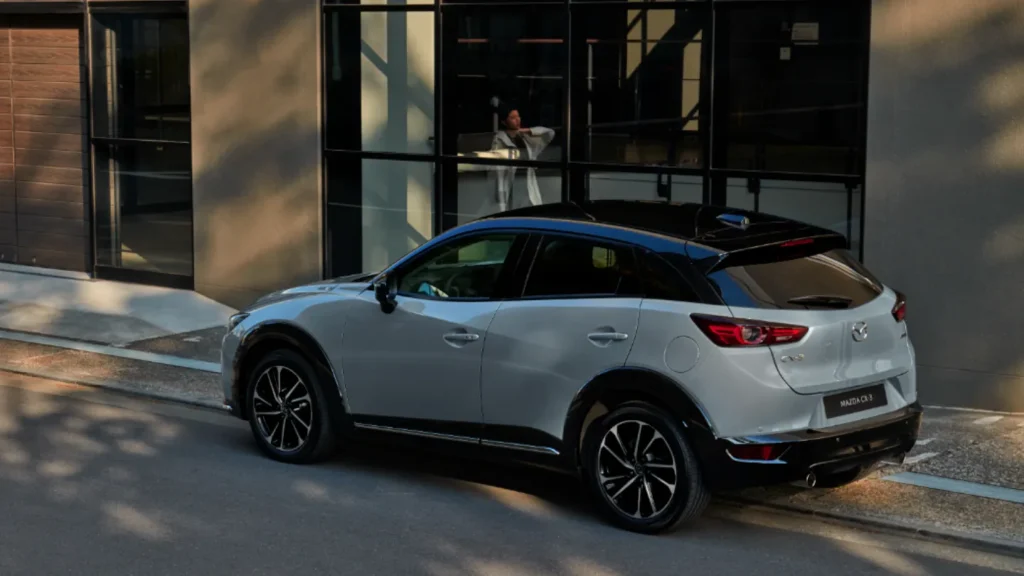
The Mazda CX-3 stayed on top with 1,022 sales, ahead of the Toyota Yaris Cross on 832 and Suzuki Jimny on 575, but the two leading models sold fewer cars than in July last year. Australians still like small, easy-to-park SUVs, but buyers appear to be moving towards roomier, mid-size alternatives.
2. Small SUVs under $45,000
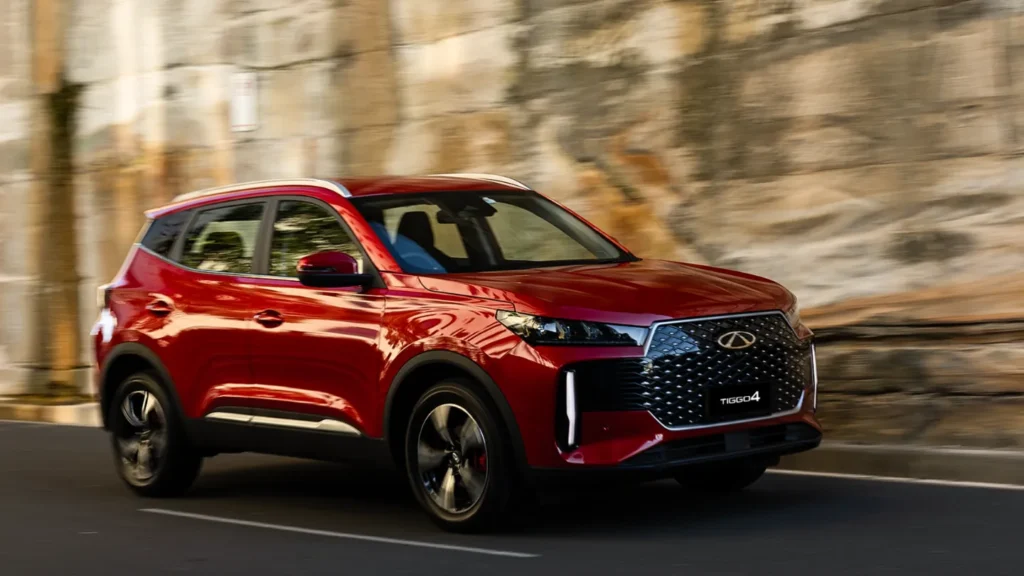
The Chery Tiggo 4 won with 2,156 sales, narrowly beating the Hyundai Kona’s 2,096, while the GWM Haval Jolion followed with 1,662. Affordable SUV buyers are comparing value closely, and newer Chinese brands can now fight established names model-for-model.
3. Small SUVs over $45,000
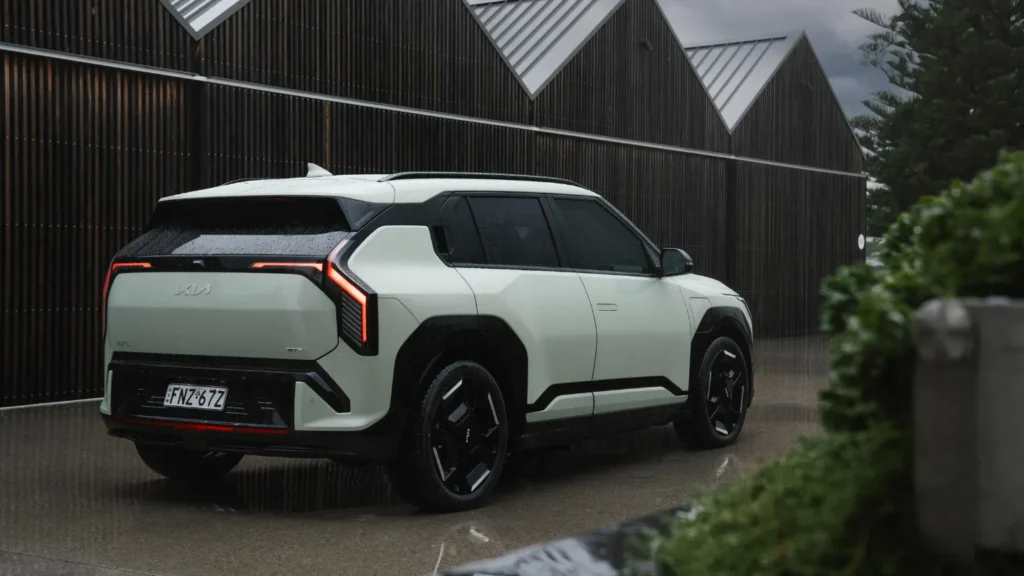
The Kia EV3 led the segment with 804 sales, comfortably ahead of the BMW X1 and iX1 on 392 and Mercedes-Benz GLA on 236. BMW led this category last July, so an electric Kia now sitting well clear of two premium German brands shows how quickly buyers’ ideas about a desirable small SUV are changing, especially amid rising fuel costs.
4. Medium SUVs under $65,000
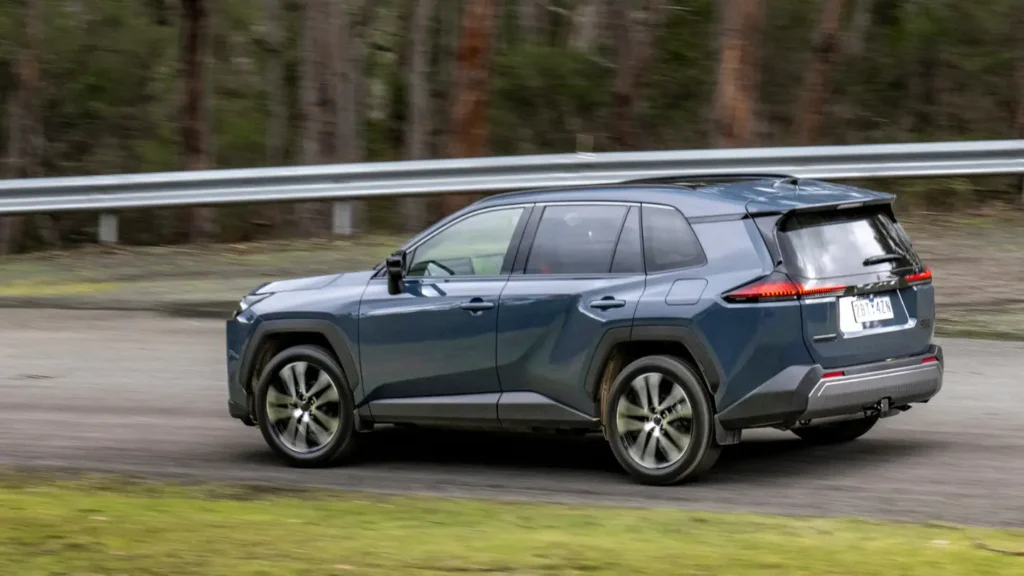
The Toyota RAV4 was July’s SUV superstar, jumping from 4,415 sales last year to 5,564, and the BYD Sealion 7 reached 2,548, while the Tesla Model Y climbed from just 555 to 2,215. Family buyers are not abandoning trusted names, but EV alternatives are now taking a huge slice of Australia’s busiest SUV class.
5. Medium SUVs over $65,000
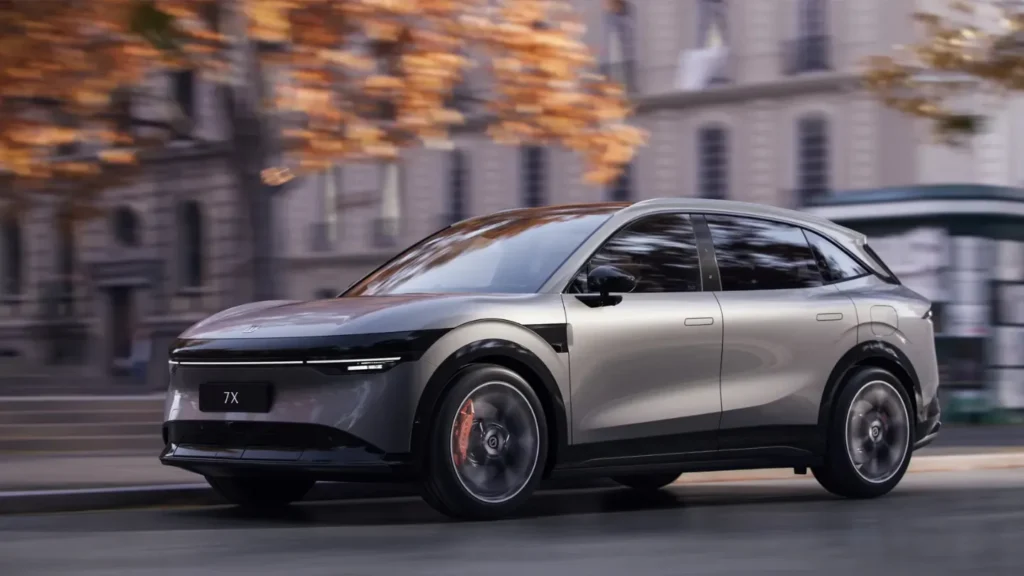
Zeekr 7X led with 1,892 sales was the best-selling model, selling almost three times the Kia EV5’s 650, while the Mercedes-Benz GLC recorded 489. A recently arrived Chinese electric SUV beating familiar premium brands by such a wide margin would once have seemed unlikely.
6. Large SUVs under $80,000
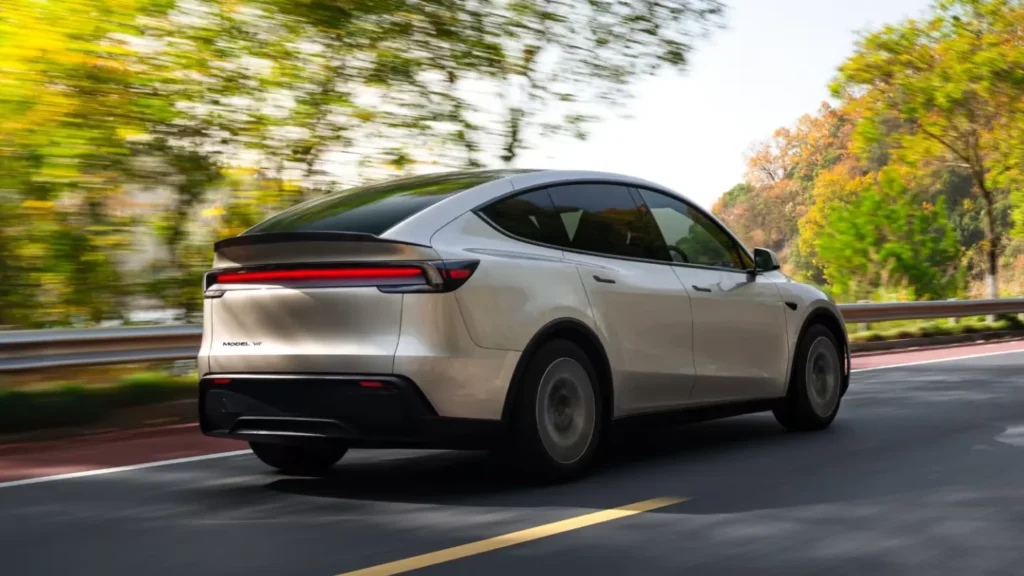
The new Tesla Model Y L took first place with 2,429 sales, ahead of the Toyota Prado on 2,082 and Ford Everest on 1,697. Everest and Prado led this group last July. The sales figures show that Aussies still want roomy family and adventure vehicles, but a larger Model Y has suddenly joined the front row and immediately taken the win.
7. Large SUVs over $80,000
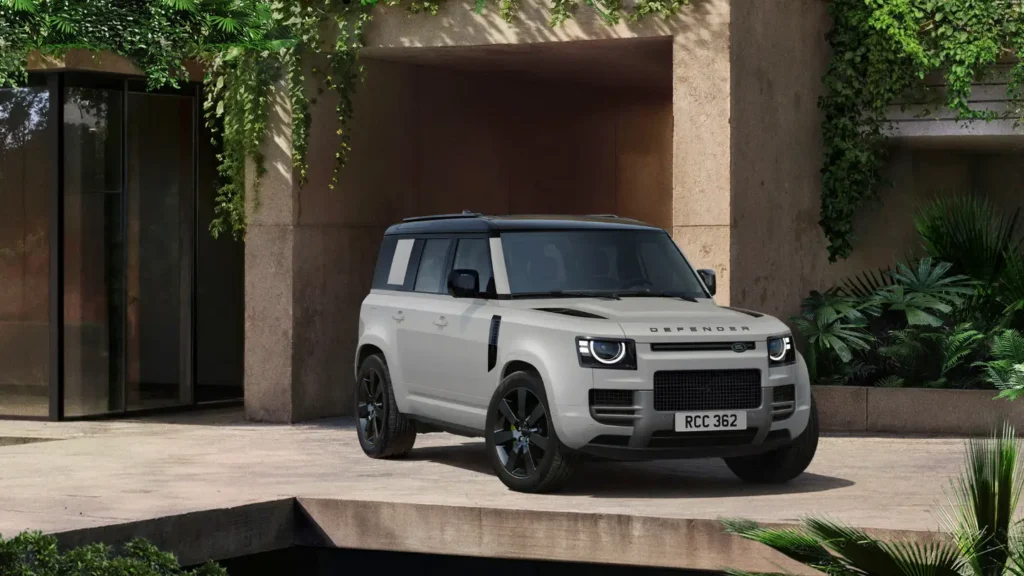
The Defender held its ground with 433 sales, almost unchanged from 429 last July and the BMW X5 fell to 176, while the Lexus RX reached 167. This premium end of the market looks steadier, and buyers continue to favour a strong, recognisable name rather than simply chasing the newest arrival.
8. Upper-large SUVs under $120,000
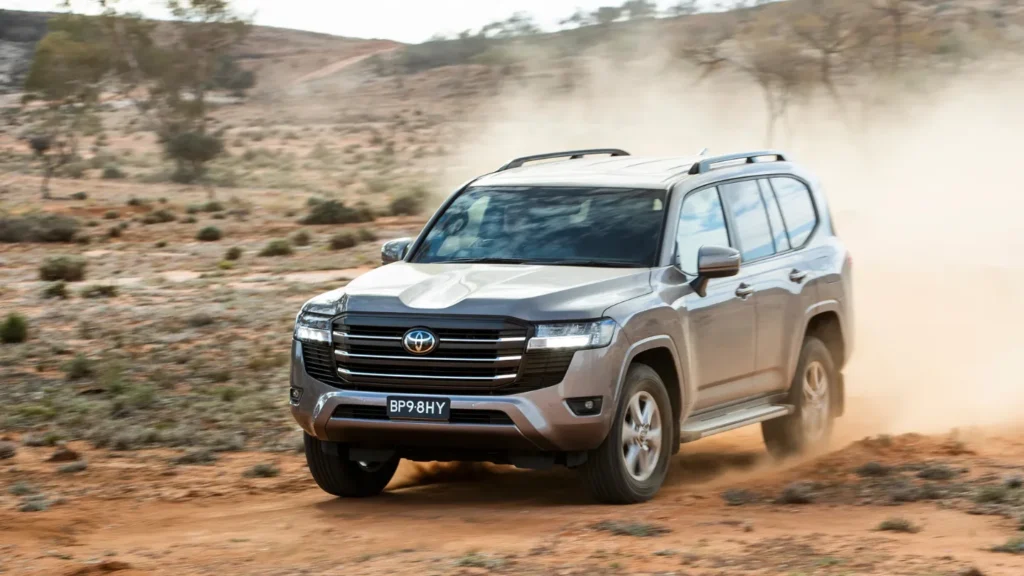
The Toyota LandCruiser retained its position as the segment leader with 1,399 sales, followed by the Nissan Patrol on 509 and Denza B8 with 113. Big-SUV buyers remain fiercely loyal, but even this traditional corner now has a fresh Chinese challenger finding early support.
9. Upper-large SUVs over $120,000
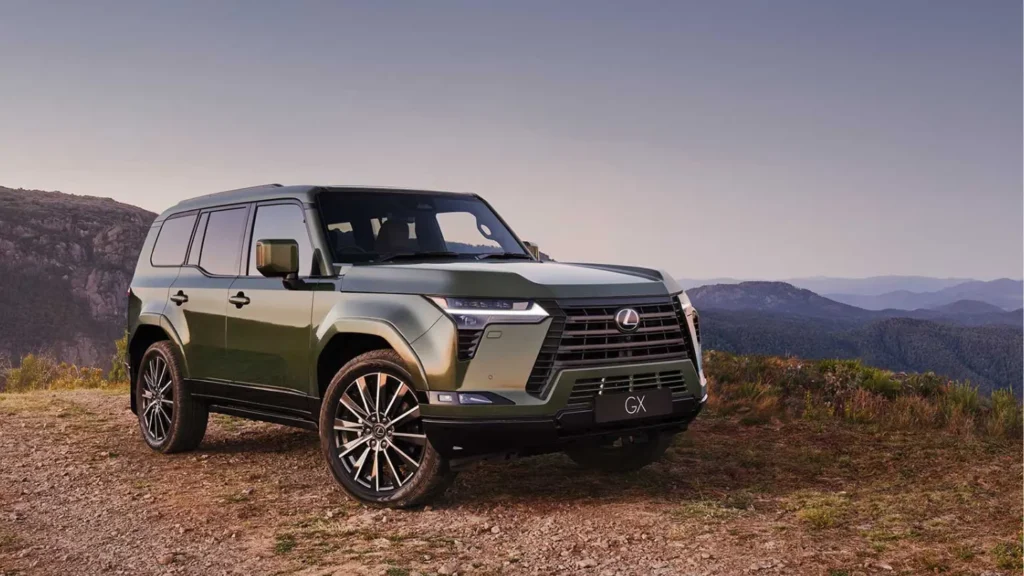
The Lexus GX led with 95 sales, followed by the Mercedes-Benz G-Class on 67 and Lexus LX on 60. No model dominates strongly, but Lexus placing two models in the top three shows its reputation still carries serious weight among Australians shopping at the very top.
Key insights for the July 2026 SUV sales
SUVs did not just lead Australia’s new-car market in July 2026 but dominated it with 72,409 units sold, which is 13.6% more than in July 2025. SUVs represented 66.7% of all the new vehicles sold according to the VFACTS report, compared with 61.1% a year earlier, which now means roughly two out of every three new vehicles leaving showrooms were SUVs. And the Toyota RAV4 remained Australia’s favourite SUV.
1. Medium SUVs powered the boom
Medium SUVs were the clear engine room of the market as their sales jumped 29.4% YoY to 33,152 vehicles, which is larger than the small and large-SUV categories combined. These cars offer enough room for families without becoming difficult to park or expensive to run, which appears to be the sweet spot for many buyers.
2. Electric SUVs have entered the mainstream
Battery-powered SUVs topped several very different price groups; for example, the Kia EV3 led dearer small SUVs, the Zeekr 7X led dearer medium SUVs, and the Tesla Model Y L led large SUVs priced below $80,000.
Electric cars are no longer sitting in one small corner of the market but competing for everyday families, premium buyers and people needing extra seats. Australia recorded 23,510 EV sales during July 2026, which is 21.7% of the overall new-car market.
3. New brands are changing the shopping list
The Chery Tiggo 4 narrowly beat the Hyundai Kona among affordable small SUVs, while BYD, Geely and Zeekr placed strongly in the larger categories. Chinese-built vehicle sales almost doubled year on year, highlighting the growing presence of Chinese brands across multiple SUV segments.
4. Traditional favourites still matter
The Toyota Prado beat the Ford Everest, while the LandCruiser and Nissan Patrol remained the leading extra-large SUVs. These familiar models still attract Australians who want towing ability, country-road confidence and serious holiday space.
Bottom line
The big picture is clear: Australians want SUVs more than ever, but they are becoming less predictable about which brands power them and what sits under the bonnet as Chinese brands continue to grow in a market demanding more electrified and value-for-money vehicles.
July 2026 belonged to practical family SUVs, electric newcomers, and buyers willing to try something different and save some money amid the ongoing fuel price crisis.
See the top-selling car models and best-selling car brands in Australia for July 2026.
See the top-selling SUVs for June 2026
See the top-selling SUVs for May 2026
See the top-selling SUVs for April 2026
See the top-selling SUVs for March 2026

Comments
New Comment